MSI Thin GF63 vs Razer Blade 16 (2024)
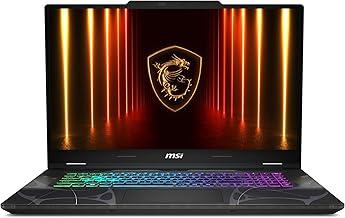
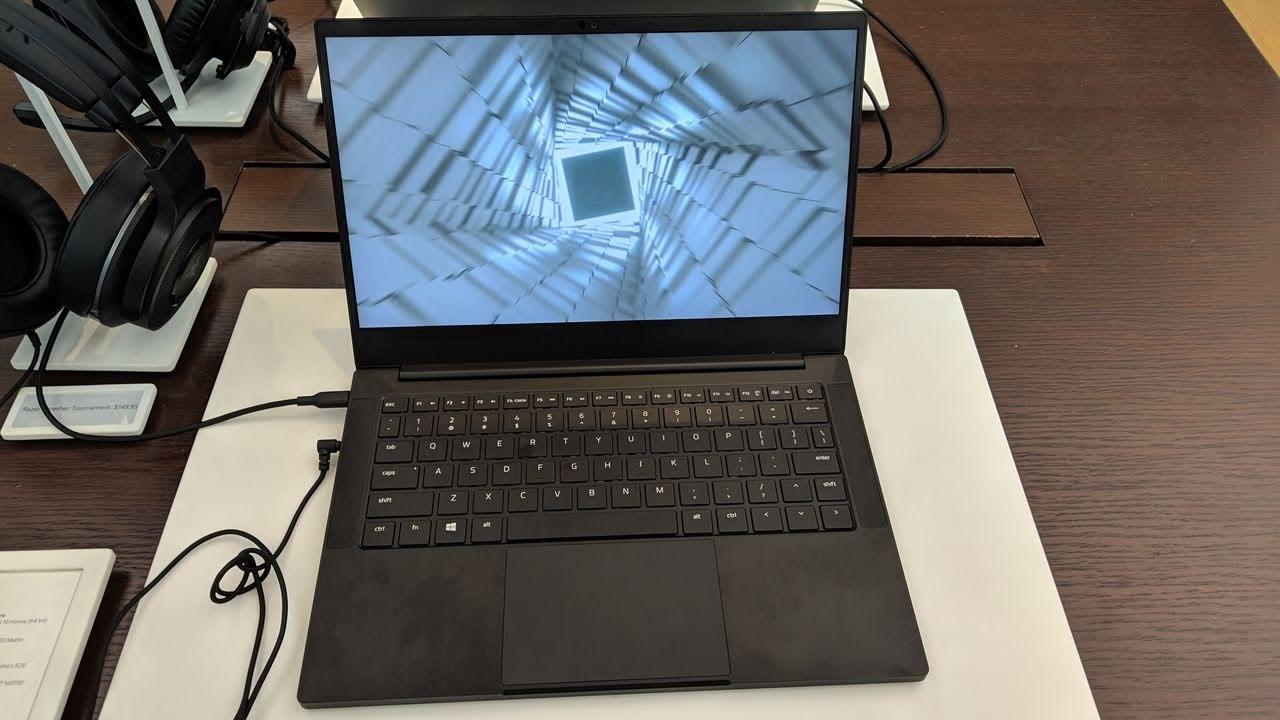
The Verdict
MSI Thin GF63 delivers solid gaming performance at an accessible price point with its RTX 4050 GPU, 12th Gen i5 processor, and 144Hz 1080p display. Battery life reaches 7 hours, and the aluminum lid provides decent build quality. However, Razer Blade 16 operates in an entirely different league with its flagship Intel Core i9-14900HX, 32GB DDR5 RAM, and stunning 16-inch 2560x1600 OLED 240Hz display. The Razer's superior processor delivers significantly faster multitasking and content creation performance, while its OLED panel offers exceptional color accuracy and contrast. Connectivity includes dual Thunderbolt ports and SD card reader. At 2.45kg versus 1.86kg, portability slightly favors MSI. Battery life is comparable. For budget-conscious gamers seeking 1080p gaming, MSI provides excellent value. Serious creators, competitive gamers, and professionals requiring premium displays and raw computing power should invest in the Razer Blade 16, despite its four-fold price premium.
Who Should Buy
Buy the MSI Thin GF63 if…
- →Affordable entry to RTX 40-series gaming at $699
- →144Hz display for smooth gameplay in esports titles
- →Lightweight at 1.86 kg for a 15.6-inch gaming laptop
Buy the Razer Blade 16 (2024) if…
- →Top-tier RTX 40-series GPU options up to RTX 4090
- →Gorgeous QHD+ 240Hz OLED display
- →Premium CNC aluminum chassis with slim profile
Category Scores
Pros & Cons
MSI Thin GF63
Pros
- Affordable entry to RTX 40-series gaming at $699
- 144Hz display for smooth gameplay in esports titles
- Lightweight at 1.86 kg for a 15.6-inch gaming laptop
- Good port selection including Ethernet and three USB-A ports
- Expandable storage with an extra M.2 slot
Cons
- 250-nit display brightness is very dim — poor outdoor visibility
- Only 8 GB RAM — needs immediate upgrade for modern gaming
- Build quality is plastic-heavy and feels budget
- Fan noise is significant during gaming sessions
- Battery life is poor at around 4-5 hours real-world use
Razer Blade 16 (2024)
Pros
- Top-tier RTX 40-series GPU options up to RTX 4090
- Gorgeous QHD+ 240Hz OLED display
- Premium CNC aluminum chassis with slim profile
- Comprehensive port selection including SD card and HDMI 2.1
Cons
- Very expensive even at base configuration
- Battery life is short under any real workload
- Runs hot and loud during gaming sessions
- Heavy for a 16-inch laptop intended to be portable
Full Specifications
| Spec | MSI Thin GF63 | Razer Blade 16 (2024) |
|---|---|---|
| Software | Windows 11 Home | Windows 11 Home |
| Gpu | NVIDIA GeForce RTX 4050 (6 GB) | — |
| Body | ||
| Weight | 1.86 kg | 2.45 kg |
| Material | Aluminum lid, plastic body | CNC aluminum unibody |
| Dimensions | 359 x 254 x 21.7 mm | 355 x 235 x 21.99 mm |
| Ports | ||
| HDMI | 1 | 1 |
| USB-A ports | 3 | 3 |
| USB-C ports | 1 | 2 |
| Ethernet | — | |
| Headphone Jack | — | |
| SD card | — | |
| Thunderbolt ports | — | 2 |
| Battery | ||
| Battery life | Up to 7 hours | Up to 6 hours |
| Capacity | 52.4 Wh | 95.2 Wh |
| Display | ||
| Size | 15.6 inches | 16 inches |
| Type | IPS LCD | OLED |
| Resolution | 1920 x 1080 | 2560 x 1600 |
| Refresh rate | 144Hz | 240Hz |
| Brightness (nits) | 250 | 400 |
| Storage | ||
| SSD | 512 GB PCIe Gen 3 NVMe | 1 TB |
| Expandable storage | ||
| Keyboard | ||
| Backlit | ||
| Processor | ||
| RAM | 8 GB DDR4 | 32 GB DDR5 |
| Cores | 8-core (4P + 4E) | 24 cores |
| Chipset | 12th Gen Intel Core i5-12450H | Intel Core i9-14900HX |
Related Comparisons
This comparison is based on verified manufacturer specifications covering display, performance, camera, battery, and build quality. Scores are generated by analyzing specs across weighted categories on a 10-point scale. Learn more about our methodology.
Explore more in laptops, see all MSI products or all Razer products. View full details for the MSI Thin GF63 or the Razer Blade 16 (2024).