Lenovo ThinkPad X1 Yoga Gen 8 vs LG gram 14 (2024)
The Verdict
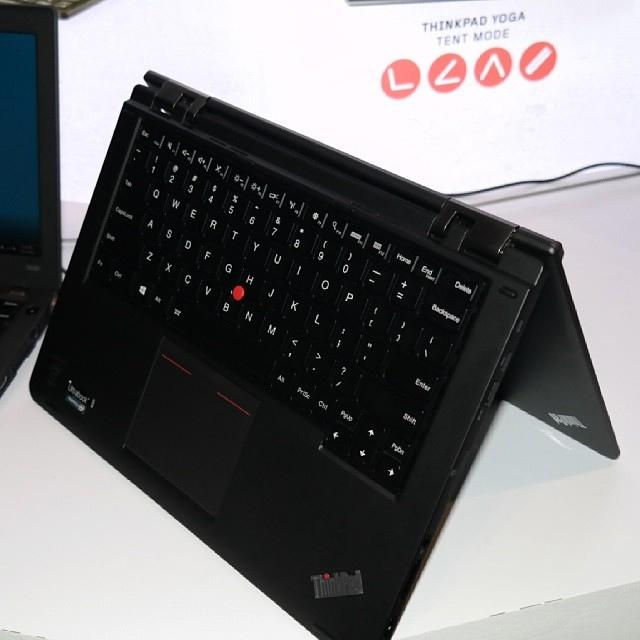
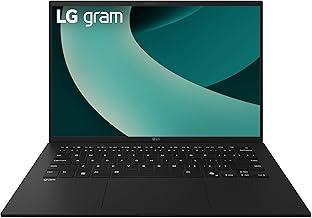
Both laptops deliver strong performance for business users, but they prioritize different strengths. Lenovo's X1 Yoga Gen 8 excels with a stunning 2880 x 1800 OLED display at 90Hz, superior brightness at 400 nits, and excellent touchscreen responsiveness for creative work. LG's gram 14 (2024) counters with exceptional portability at 0.99 kg versus 1.36 kg, more generous connectivity including a headphone jack, and dramatically superior battery life of up to 22 hours compared to 12 hours. Performance-wise, LG's Core Ultra 7 155H with up to 16 cores outpaces the i7-1365U's 10 cores. Storage maxes out at 1TB on LG versus 512GB on Lenovo. For ultrabook users prioritizing display quality and stylus support, the X1 Yoga wins. For those demanding lightweight portability and endurance, LG's gram 14 is the smarter choice at a $400 lower price point.
Who Should Buy
Buy the Lenovo ThinkPad X1 Yoga Gen 8 if…
- →2.8K OLED touchscreen with stunning colors and perfect blacks
- →360-degree hinge converts to tablet mode with garaged stylus
- →Best-in-class ThinkPad keyboard with TrackPoint
Buy the LG gram 14 (2024) if…
- →Incredibly lightweight at just 0.99 kg — one of the lightest 14-inch laptops
- →Outstanding 72 Wh battery provides all-day endurance
- →MIL-STD 810H durability testing for ruggedness
Category Scores
Pros & Cons
Lenovo ThinkPad X1 Yoga Gen 8
Pros
- 2.8K OLED touchscreen with stunning colors and perfect blacks
- 360-degree hinge converts to tablet mode with garaged stylus
- Best-in-class ThinkPad keyboard with TrackPoint
- MIL-STD-810H tested for enterprise durability
- Comprehensive port selection including USB-A and HDMI
Cons
- OLED display may be susceptible to burn-in with static content
- Battery life drops to 7-8 hours on OLED panel under typical use
- 16 GB max RAM is limiting for a $1,699 business laptop
- 90Hz OLED is smooth but competitors offer 120Hz
- Only Intel U-series — no H-series option for heavier workloads
LG gram 14 (2024)
Pros
- Incredibly lightweight at just 0.99 kg — one of the lightest 14-inch laptops
- Outstanding 72 Wh battery provides all-day endurance
- MIL-STD 810H durability testing for ruggedness
- Intel Core Ultra with NPU for on-device AI tasks
- Good port selection for such a thin and light machine
Cons
- 60Hz display refresh rate feels sluggish
- 350-nit brightness is dim for outdoor use
- Build can feel slightly flexible due to lightweight materials
- Integrated Intel Arc graphics limit gaming capability
- Starting at $1299 is expensive for the specs
Full Specifications
| Spec | Lenovo ThinkPad X1 Yoga Gen 8 | LG gram 14 (2024) |
|---|---|---|
| Software | Windows 11 Pro | Windows 11 Home |
| Body | ||
| Weight | 3.0 lbs (1.36 kg) | 0.99 kg |
| Material | Carbon fiber and aluminum | Magnesium alloy |
| Dimensions | 12.38 x 8.74 x 0.61 inches | 312 x 213.9 x 16.4 mm |
| Ports | ||
| HDMI | 1 | |
| USB-A ports | 2 | 1 |
| USB-C ports | 2 | — |
| Thunderbolt ports | 2 | 2 |
| Microsd | — | |
| Headphone Jack | — | |
| Battery | ||
| Battery life | Up to 12 hours | Up to 22 hours |
| Capacity | 57 Wh | 72 Wh |
| Display | ||
| Size | 14 inches | 14 inches |
| Type | OLED touch | IPS LCD |
| Resolution | 2880 x 1800 | 2560 x 1600 |
| Refresh rate | 90Hz | 60Hz |
| Brightness (nits) | 400 | 350 |
| Storage | ||
| SSD | 512 GB PCIe Gen 4 NVMe | 512 GB / 1 TB NVMe PCIe Gen 4 |
| Expandable storage | ||
| Keyboard | ||
| Backlit | ||
| Processor | ||
| RAM | 16 GB LPDDR5 | 16 GB / 32 GB LPDDR5x |
| Cores | 10 cores (2P + 8E) | 16-core (6P + 8E + 2 LP-E) |
| Chipset | Intel Core i7-1365U (13th Gen) | Intel Core Ultra 7 155H |
Related Comparisons
This comparison is based on verified manufacturer specifications covering display, performance, camera, battery, and build quality. Scores are generated by analyzing specs across weighted categories on a 10-point scale. Learn more about our methodology.
Explore more in laptops, see all Lenovo products or all LG products. View full details for the Lenovo ThinkPad X1 Yoga Gen 8 or the LG gram 14 (2024).