LG gram 14 (2024) vs Samsung Galaxy Book5 Pro
The Verdict
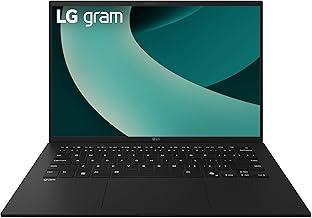
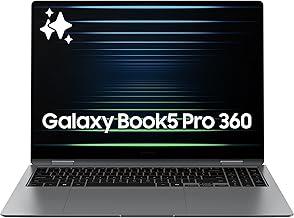
LG gram 14 excels in portability and battery longevity, weighing just 0.99 kg with up to 22 hours of runtime from a 72 Wh battery. Its 14-inch IPS LCD display offers 2560 x 1600 resolution at 350 nits brightness. Samsung Galaxy Book5 Pro counters with a larger 16-inch Dynamic AMOLED 2X screen delivering 2880 x 1800 resolution at 120Hz refresh rate and 500 nits brightness, making it superior for multimedia work. Performance favors the LG's Intel Core Ultra 7 155H with 16 cores, while the Galaxy Book5 uses the Core Ultra 7 265V with 8 cores. Both offer 16GB RAM and 512GB storage, though the LG supports upgrades. Galaxy Book5 Pro is heavier at 1.56 kg and battery life drops to 18 hours. For ultraportable professionals prioritizing all-day mobility and battery endurance, LG gram 14 is the stronger choice. If you need a larger, more vibrant display and premium screen tech for creative work, Galaxy Book5 Pro justifies its premium despite the weight penalty.
Who Should Buy
Buy the LG gram 14 (2024) if…
- →Incredibly lightweight at just 0.99 kg — one of the lightest 14-inch laptops
- →Outstanding 72 Wh battery provides all-day endurance
- →MIL-STD 810H durability testing for ruggedness
Buy the Samsung Galaxy Book5 Pro if…
- →Stunning 120Hz AMOLED display is the best screen on any Windows ultrabook
- →18-hour battery life matches MacBook Air endurance
- →Incredibly thin at 0.47 inches and light at 3.44 lbs
Category Scores
Pros & Cons
LG gram 14 (2024)
Pros
- Incredibly lightweight at just 0.99 kg — one of the lightest 14-inch laptops
- Outstanding 72 Wh battery provides all-day endurance
- MIL-STD 810H durability testing for ruggedness
- Intel Core Ultra with NPU for on-device AI tasks
- Good port selection for such a thin and light machine
Cons
- 60Hz display refresh rate feels sluggish
- 350-nit brightness is dim for outdoor use
- Build can feel slightly flexible due to lightweight materials
- Integrated Intel Arc graphics limit gaming capability
- Starting at $1299 is expensive for the specs
Samsung Galaxy Book5 Pro
Pros
- Stunning 120Hz AMOLED display is the best screen on any Windows ultrabook
- 18-hour battery life matches MacBook Air endurance
- Incredibly thin at 0.47 inches and light at 3.44 lbs
- Galaxy ecosystem integration with Samsung phones and tablets
- HDMI and SD card slot included despite the thin chassis
Cons
- Intel Core Ultra 7 265V is efficient but not a performance powerhouse
- No discrete GPU for gaming or heavy creative work
- 512 GB base storage is tight at this price
- AMOLED panel can drain battery faster at high brightness
Full Specifications
| Spec | LG gram 14 (2024) | Samsung Galaxy Book5 Pro |
|---|---|---|
| Software | Windows 11 Home | Windows 11 Home |
| Body | ||
| Weight | 0.99 kg | 3.44 lbs (1.56 kg) |
| Material | Magnesium alloy | Aluminum |
| Dimensions | 312 x 213.9 x 16.4 mm | 14.04 x 9.86 x 0.47 inches |
| Ports | ||
| HDMI | 1 | |
| USB-A ports | 1 | — |
| Microsd | — | |
| Thunderbolt ports | 2 | 2 |
| Headphone Jack | — | |
| USB-C ports | — | 2 |
| SD card | — | |
| Battery | ||
| Battery life | Up to 22 hours | Up to 18 hours |
| Capacity | 72 Wh | 76 Wh |
| Display | ||
| Size | 14 inches | 16 inches |
| Type | IPS LCD | Dynamic AMOLED 2X |
| Resolution | 2560 x 1600 | 2880 x 1800 |
| Refresh rate | 60Hz | 120Hz |
| Brightness (nits) | 350 | 500 |
| Storage | ||
| SSD | 512 GB / 1 TB NVMe PCIe Gen 4 | 512 GB PCIe Gen 4 NVMe |
| Expandable storage | ||
| Keyboard | ||
| Backlit | ||
| Processor | ||
| RAM | 16 GB / 32 GB LPDDR5x | 16 GB LPDDR5X |
| Cores | 16-core (6P + 8E + 2 LP-E) | 8 cores (4P + 4E) |
| Chipset | Intel Core Ultra 7 155H | Intel Core Ultra 7 265V |
Related Comparisons
This comparison is based on verified manufacturer specifications covering display, performance, camera, battery, and build quality. Scores are generated by analyzing specs across weighted categories on a 10-point scale. Learn more about our methodology.
Explore more in laptops, see all LG products or all Samsung products. View full details for the LG gram 14 (2024) or the Samsung Galaxy Book5 Pro.