Hisense A7N 65" vs LG OLED C3 65" (Evo)
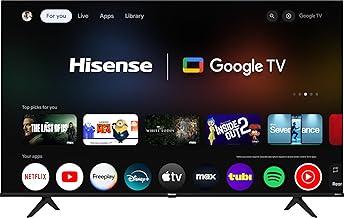
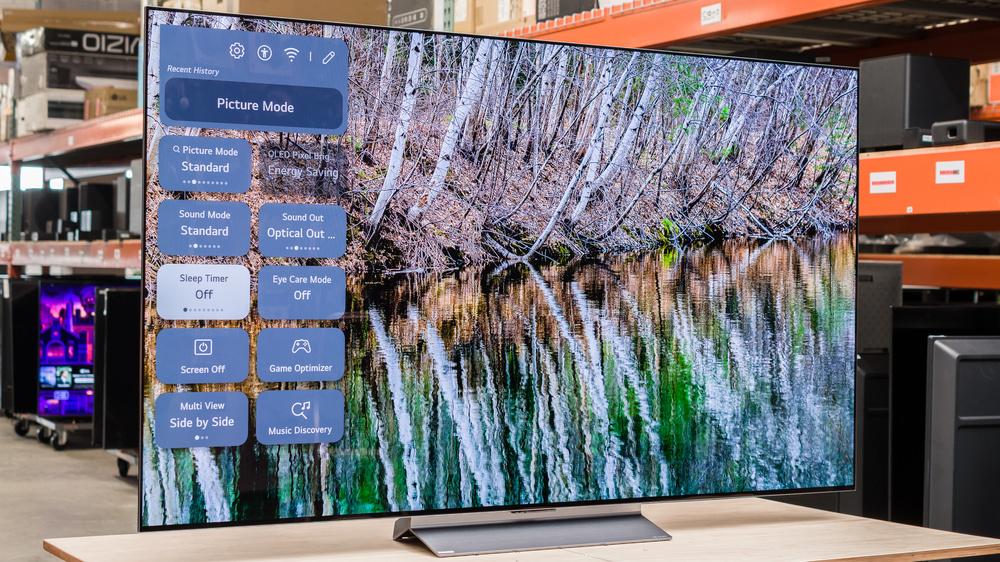
The Verdict
Hisense A7N delivers exceptional value as a budget 4K QLED option with solid brightness at 600 nits, Dolby Vision support, and respectable gaming features including ALLM at just $449. However, LG's C3 Evo represents the pinnacle of TV technology with its self-emissive OLED panel producing perfect blacks, superior 900-nit brightness, 120Hz refresh rate, genuine VRR support, and 6ms input lag,cutting gaming responsiveness in half. While the LG costs four times more, its thin 1.8-inch design, webOS 23 interface, superior audio system, and Wi-Fi 6 connectivity justify the premium for demanding users. Budget-conscious buyers seeking adequate performance should choose the Hisense; those prioritizing picture quality and gaming performance absolutely need the LG.
Who Should Buy
Buy the Hisense A7N 65" if…
- →65-inch QLED TV under $450 is incredible value
- →Dolby Vision, HDR10+, and Dolby Atmos decoding included
- →QLED color enhancement is visible vs basic LED at this price
Buy the LG OLED C3 65" (Evo) if…
- →Perfect pixel-level black levels with infinite contrast ratio
- →Dolby Vision, HDR10, and HLG cover the full HDR ecosystem
- →4x HDMI 2.1 with 4K@120Hz, VRR, and ALLM — the gaming gold standard
Category Scores
Pros & Cons
Hisense A7N 65"
Pros
- 65-inch QLED TV under $450 is incredible value
- Dolby Vision, HDR10+, and Dolby Atmos decoding included
- QLED color enhancement is visible vs basic LED at this price
- Alexa voice control built directly into the TV
- Two USB ports for media playback or recording
Cons
- VIDAA OS has fewer apps than Google TV or Tizen
- 60Hz panel with no VRR or gaming-oriented features
- 600-nit brightness is modest for a 65-inch TV
- Build quality is firmly budget — thin plastic housing
LG OLED C3 65" (Evo)
Pros
- Perfect pixel-level black levels with infinite contrast ratio
- Dolby Vision, HDR10, and HLG cover the full HDR ecosystem
- 4x HDMI 2.1 with 4K@120Hz, VRR, and ALLM — the gaming gold standard
- α9 Gen6 AI processor upscales and enhances content intelligently
- Wide viewing angles — no color shift from the sides
Cons
- 900 nits peak brightness is dimmer than Mini-LED and QD-OLED competitors
- Risk of permanent OLED burn-in with static content
- webOS 23 includes home screen ads and sponsored content
- 40W built-in audio needs supplementing with a soundbar
Full Specifications
| Spec | Hisense A7N 65" | LG OLED C3 65" (Evo) |
|---|---|---|
| Body | ||
| VESA mount | 300 x 300mm | 300 x 200mm |
| Weight | 33.1 lbs | 41.9 lbs |
| Dimensions (w/ stand) | 57.1 x 35.8 x 11.2 inches | 57.0 x 35.2 x 11.8 inches |
| Dimensions | — | 57.0 x 32.7 x 1.8 inches |
| Audio | ||
| Output (watts) | 20 | 40 |
| Speakers | 2.0ch | 2.2ch |
| Dolby Atmos | ||
| Gaming | ||
| VRR (Variable Refresh Rate) | ||
| ALLM | ||
| Input lag (ms) | 12 | 6 |
| Display | ||
| HDR | Dolby Vision, HDR10+, HLG | Dolby Vision, HDR10, HLG |
| Size | 65" | 65" |
| Type | QLED | OLED Evo (WOLED) |
| Resolution | 3840 x 2160 (4K UHD) | 3840 x 2160 (4K) |
| Refresh rate | 60Hz | 120Hz |
| Brightness (nits) | 600 | 900 |
| Smart TV | ||
| Os | VIDAA OS | webOS 23 |
| Voice assistant | Alexa built-in | LG ThinQ AI, Alexa, Google Assistant |
| Processor | ||
| Chipset | Hi-View Engine 4K | — |
| Connectivity | ||
| Wi-Fi | Wi-Fi 5 (802.11ac) | Wi-Fi 6 |
| Ethernet | ||
| Bluetooth | 5.0 | 5.0 |
| USB ports | 2 | 3 |
| HDMI ports | 3 | 4 |
Related Comparisons
This comparison is based on verified manufacturer specifications covering display, performance, camera, battery, and build quality. Scores are generated by analyzing specs across weighted categories on a 10-point scale. Learn more about our methodology.
Explore more in tvs, see all Hisense products or all LG products. View full details for the Hisense A7N 65" or the LG OLED C3 65" (Evo).