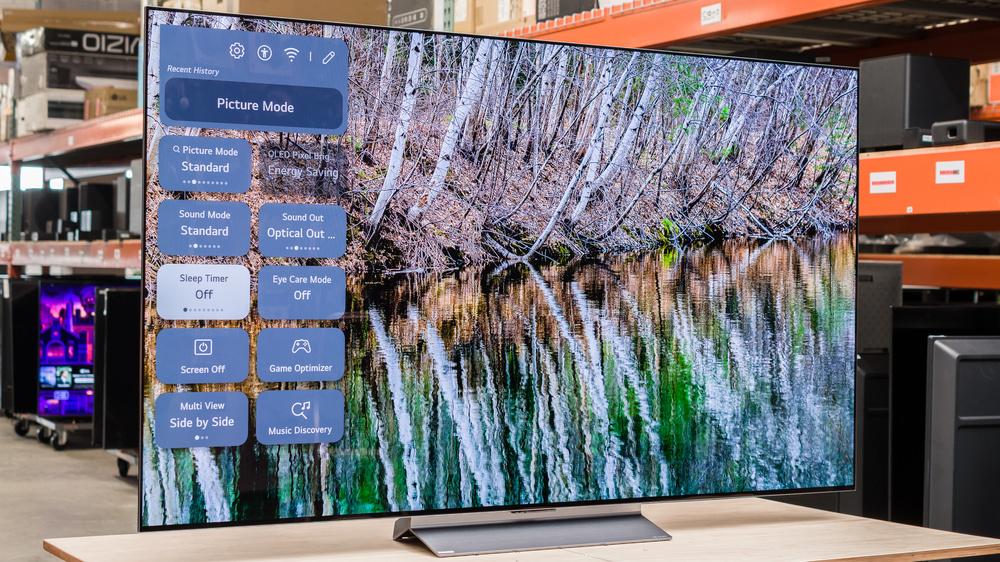
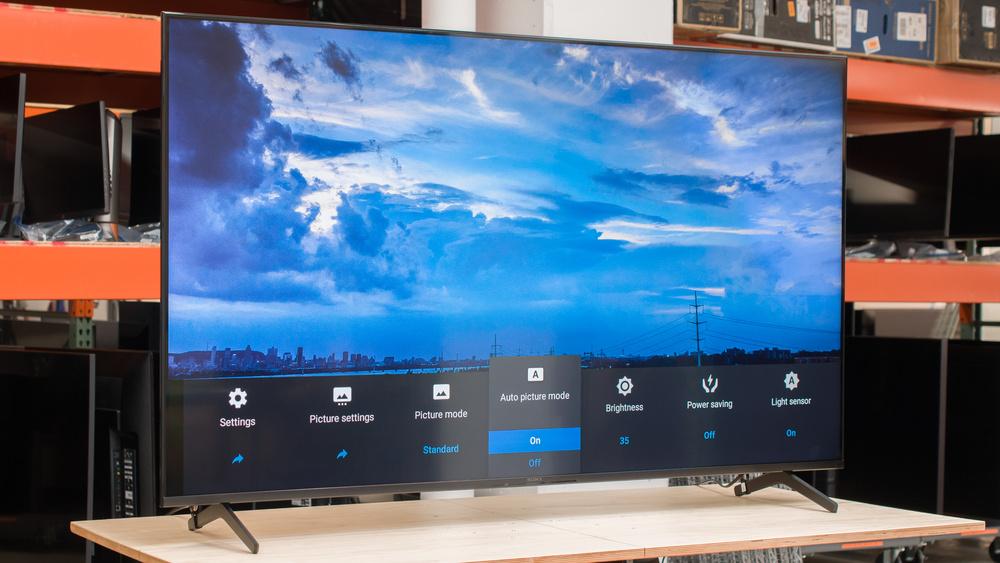
LG OLED C3 65" (Evo) vs Sony X85K 65" (LED)
The Verdict
LG's OLED C3 delivers superior picture quality through its self-emissive pixel technology, achieving perfect blacks and 900 nits peak brightness compared to Sony's 700-nit direct LED panel. Gaming performance favors LG with 6ms input lag versus Sony's 10ms, plus superior VRR responsiveness on the OLED. Audio clarity benefits from LG's 2.2ch 40W system over Sony's more basic 2.0ch 20W setup, though both support Dolby Atmos. Sony compensates with compelling value at $999,nearly half the LG's $1799 price,and Google TV's intuitive interface. For casual viewing, the X85K serves admirably; for cinephiles and competitive gamers demanding exceptional contrast, HDR performance, and gaming responsiveness, LG's OLED Evo technology justifies the premium investment. Budget-conscious buyers gain remarkable 4K capability with Sony; enthusiasts should prioritize the C3.
Who Should Buy
Buy the LG OLED C3 65" (Evo) if…
- →Perfect pixel-level black levels with infinite contrast ratio
- →Dolby Vision, HDR10, and HLG cover the full HDR ecosystem
- →4x HDMI 2.1 with 4K@120Hz, VRR, and ALLM — the gaming gold standard
Buy the Sony X85K 65" (LED) if…
- →120Hz with VRR at $999 makes it a capable mid-range gaming TV
- →Wide viewing angles from IPS panel suit family viewing
- →Dolby Vision and Dolby Atmos for full HDR support
Category Scores
Pros & Cons
LG OLED C3 65" (Evo)
Pros
- Perfect pixel-level black levels with infinite contrast ratio
- Dolby Vision, HDR10, and HLG cover the full HDR ecosystem
- 4x HDMI 2.1 with 4K@120Hz, VRR, and ALLM — the gaming gold standard
- α9 Gen6 AI processor upscales and enhances content intelligently
- Wide viewing angles — no color shift from the sides
Cons
- 900 nits peak brightness is dimmer than Mini-LED and QD-OLED competitors
- Risk of permanent OLED burn-in with static content
- webOS 23 includes home screen ads and sponsored content
- 40W built-in audio needs supplementing with a soundbar
Sony X85K 65" (LED)
Pros
- 120Hz with VRR at $999 makes it a capable mid-range gaming TV
- Wide viewing angles from IPS panel suit family viewing
- Dolby Vision and Dolby Atmos for full HDR support
- Sony X1 processor handles upscaling and motion well
- Google TV platform with Chromecast built-in
Cons
- IPS panel has poor black levels — contrast is a weakness
- No local dimming — black uniformity suffers in dark scenes
- 700 nits brightness is modest for HDR performance
- 20W speakers need external audio support
- Bluetooth 4.2 is dated for a 2022 TV
Full Specifications
| Spec | LG OLED C3 65" (Evo) | Sony X85K 65" (LED) |
|---|---|---|
| Body | ||
| VESA mount | 300 x 200mm | 300 x 300mm |
| Weight | 41.9 lbs | 43.2 lbs |
| Dimensions | 57.0 x 32.7 x 1.8 inches | 57.1 x 33.1 x 3.0 inches |
| Dimensions (w/ stand) | 57.0 x 35.2 x 11.8 inches | 57.1 x 35.8 x 13.4 inches |
| Audio | ||
| Output (watts) | 40 | 20 |
| Speakers | 2.2ch | 2.0ch |
| Dolby Atmos | ||
| Gaming | ||
| VRR (Variable Refresh Rate) | ||
| ALLM | ||
| Input lag (ms) | 6 | 10 |
| Display | ||
| HDR | Dolby Vision, HDR10, HLG | Dolby Vision, HDR10, HLG |
| Size | 65" | 65" |
| Type | OLED Evo (WOLED) | Direct LED (IPS panel) |
| Resolution | 3840 x 2160 (4K) | 3840 x 2160 (4K) |
| Refresh rate | 120Hz | 120Hz |
| Brightness (nits) | 900 | 700 |
| Smart TV | ||
| Os | webOS 23 | Google TV |
| Voice assistant | LG ThinQ AI, Alexa, Google Assistant | Google Assistant, Alexa |
| Connectivity | ||
| Wi-Fi | Wi-Fi 6 | Wi-Fi 5 |
| Ethernet | ||
| Bluetooth | 5.0 | 4.2 |
| USB ports | 3 | 2 |
| HDMI ports | 4 | 4 |
Related Comparisons
This comparison is based on verified manufacturer specifications covering display, performance, camera, battery, and build quality. Scores are generated by analyzing specs across weighted categories on a 10-point scale. Learn more about our methodology.
Explore more in tvs, see all LG products or all Sony products. View full details for the LG OLED C3 65" (Evo) or the Sony X85K 65" (LED).