Dell XPS 13 Plus (2024) vs HP Envy 16 (2024)
Updated Apr 2026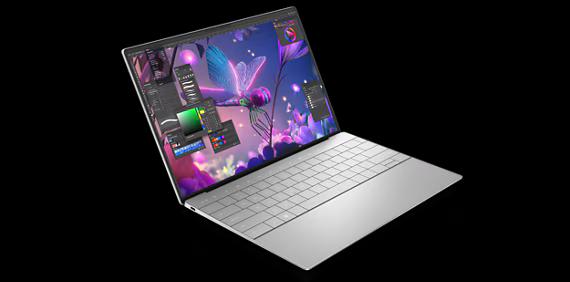

The Verdict
Dell XPS 13 Plus excels as an ultraportable with its featherweight 1.24kg design, stunning 500-nit display, and impressive 12-hour battery endurance. However, it severely limits connectivity with zero USB-C ports and no HDMI, plus a cramped 13.4-inch screen and meager 512GB storage. HP Envy 16 delivers a spacious 16-inch 2560x1600 120Hz touchscreen, full port selection (HDMI, dual USB-A, dual USB-C), 1TB expandable storage, and SD card reader—practical for professionals. Its 2.34kg weight and 10-hour battery life are trade-offs for versatility. Choose the XPS 13 Plus if maximum portability and battery life matter most for constant travel. Select the Envy 16 for content creators, business users, and anyone needing serious connectivity, screen real estate, and storage without constant dongle hunting.
Category Scores
Pros & Cons
Dell XPS 13 Plus (2024)
Pros
- Remarkably thin and light at 1.24 kg
- Striking futuristic design with zero-lattice keyboard
- Strong Intel Core Ultra performance
- Excellent build quality with premium aluminum finish
- Optional 4K OLED upgrade available
Cons
- Only two Thunderbolt ports — no USB-A, HDMI, or SD card
- Capacitive function row lacks tactile feedback
- Soldered RAM and SSD cannot be upgraded
- Battery life is merely average for an ultrabook
- Haptic touchpad has invisible borders
HP Envy 16 (2024)
Pros
- Optional NVIDIA RTX 4060 GPU for creative and light gaming workloads
- Excellent 2.5K 120Hz touchscreen display
- Comprehensive port selection including SD card reader
- User-upgradeable RAM and storage
Cons
- Heavy and bulky for daily portability
- Battery life suffers under GPU load
- Fans get loud during intensive workloads
- Bezel design feels dated next to Spectre line
Full Specifications
| Spec | Dell XPS 13 Plus (2024) | HP Envy 16 (2024) |
|---|---|---|
| Software | Windows 11 Home | Windows 11 Home |
| Body | ||
| Weight | 1.24 kg | 2.34 kg |
| Material | CNC aluminum | Aluminum |
| Dimensions | 295.3 x 199.0 x 15.3 mm | 358 x 252 x 19.9 mm |
| Ports | ||
| HDMI | 0 | 1 |
| USB-C ports | 0 | 2 |
| SD card | ||
| Thunderbolt ports | 2 | 2 |
| USB-A ports | — | 2 |
| Battery | ||
| Battery life | Up to 12 hours mixed use | Up to 10 hours |
| Capacity | 55 Wh | 83 Wh |
| Display | ||
| Size | 13.4 inches | 16 inches |
| Type | InfinityEdge IPS non-touch | IPS touchscreen |
| Resolution | 1920 x 1200 | 2560 x 1600 |
| Refresh rate | 60Hz | 120Hz |
| Brightness (nits) | 500 | 400 |
| Storage | ||
| SSD | 512 GB NVMe | 1 TB |
| Expandable storage | ||
| Keyboard | ||
| Backlit | ||
| Touch Bar | — | |
| Processor | ||
| RAM | 16 GB LPDDR5x | 16 GB DDR5 |
| Cores | 16-core (6P+8E+2LPE) | 16 cores |
| Chipset | Intel Core Ultra 7 155H | Intel Core Ultra 7 155H |
Related Comparisons
This comparison is based on verified manufacturer specifications covering display, performance, camera, battery, and build quality. Scores are generated by analyzing specs across weighted categories on a 10-point scale. Learn more about our methodology.
Explore more in laptops, see all Dell products or all HP products. View full details for the Dell XPS 13 Plus (2024) or the HP Envy 16 (2024).