Amazfit GTS 4 Mini vs Samsung Galaxy Watch 3
The Verdict
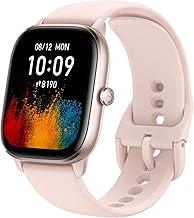
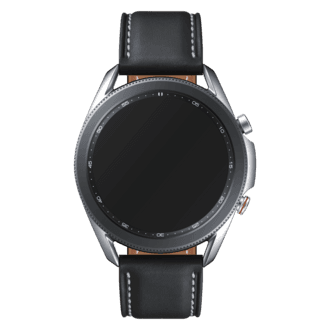
Budget-conscious buyers will appreciate the Amazfit GTS 4 Mini's exceptional value proposition, delivering a lightweight 31.2g aluminum design with AMOLED display, SpO2 monitoring, and an impressive 15-day battery life at just $99. Samsung Galaxy Watch 3 commands a 4x premium at $399, justifying costs through premium stainless steel/titanium construction, ECG capability, NFC payments, cellular connectivity, and superior durability ratings including IP68 and military-grade protection. Performance-wise, both feature 5ATM water resistance and comprehensive health tracking, though Samsung's ECG and dual-OS flexibility via Tizen provide clinical-grade monitoring. Critically, Galaxy Watch 3's battery drains within 1.5-2 days versus Amazfit's fortnight longevity. For fitness enthusiasts prioritizing battery endurance and affordability, the GTS 4 Mini excels; professionals needing advanced health features, standalone connectivity, and premium materials should invest in Galaxy Watch 3. Given the price gap and battery disparity, Amazfit GTS 4 Mini emerges as the stronger value recommendation for most users.
Who Should Buy
Buy the Amazfit GTS 4 Mini if…
- →15-day battery life is exceptional for an AMOLED smartwatch
- →Very affordable at just $99 with solid fitness features
- →Lightweight at 31.2 g — comfortable for 24/7 wear and sleep tracking
Buy the Samsung Galaxy Watch 3 if…
- →Physical rotating bezel provides tactile, satisfying navigation
- →Premium stainless steel build with classic watch aesthetics
- →ECG and SpO2 monitoring were cutting-edge at launch
Category Scores
Pros & Cons
Amazfit GTS 4 Mini
Pros
- 15-day battery life is exceptional for an AMOLED smartwatch
- Very affordable at just $99 with solid fitness features
- Lightweight at 31.2 g — comfortable for 24/7 wear and sleep tracking
- Built-in GPS for outdoor activity tracking
- 120+ sport modes cover nearly every activity
Cons
- No NFC for contactless payments
- Limited smart features — no app store for third-party apps
- No Wi-Fi for faster syncing or standalone functionality
- Zepp OS has fewer integrations than Wear OS or watchOS
- Small display may be hard to read for some users
Samsung Galaxy Watch 3
Pros
- Physical rotating bezel provides tactile, satisfying navigation
- Premium stainless steel build with classic watch aesthetics
- ECG and SpO2 monitoring were cutting-edge at launch
- Fall detection with automatic SOS alerts
- Thinner and lighter than Galaxy Watch (2018)
Cons
- Tizen OS is now discontinued — no new app development
- Battery life of 1.5 days typical requires frequent charging
- Older Exynos 9110 is noticeably slower than W920
- Heavy at 48-54 g — uncomfortable for sleep tracking
Full Specifications
| Spec | Amazfit GTS 4 Mini | Samsung Galaxy Watch 3 |
|---|---|---|
| Software | Zepp OS 2.0 | Tizen OS 5.5 |
| Body | ||
| Weight | 31.2 g (without strap) | 48.2 g (41mm) / 53.8 g (45mm) |
| Case material | Aluminum alloy | Stainless Steel / Titanium |
| Water resistance | 5ATM | 5ATM + IP68, MIL-STD-810G |
| Health & Sensors | ||
| ECG | ||
| SpO₂ | ||
| Skin temperature | ||
| Heart rate | ||
| Sleep tracking | ||
| Battery | ||
| Battery life | Up to 15 days (typical use) | Up to 2 days (typical ~1.5 days) |
| Display | ||
| Size | 42mm | 41mm / 45mm |
| Type | AMOLED Always-On | Super AMOLED |
| Always-on display | ||
| Resolution | 336 x 384 | 360 x 360 |
| Processor | ||
| Chipset | Huami custom SoC | Exynos 9110 |
| Connectivity | ||
| GPS | ||
| NFC | ||
| Wi-Fi | ||
| Cellular | ||
| Bluetooth | 5.2 | 5.0 |
Related Comparisons
This comparison is based on verified manufacturer specifications covering display, performance, camera, battery, and build quality. Scores are generated by analyzing specs across weighted categories on a 10-point scale. Learn more about our methodology.
Explore more in smartwatches, see all Amazfit products or all Samsung products. View full details for the Amazfit GTS 4 Mini or the Samsung Galaxy Watch 3.