Amazfit GTS 4 Mini vs Fitbit Sense
The Verdict
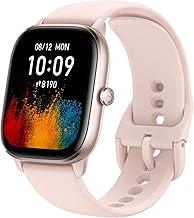
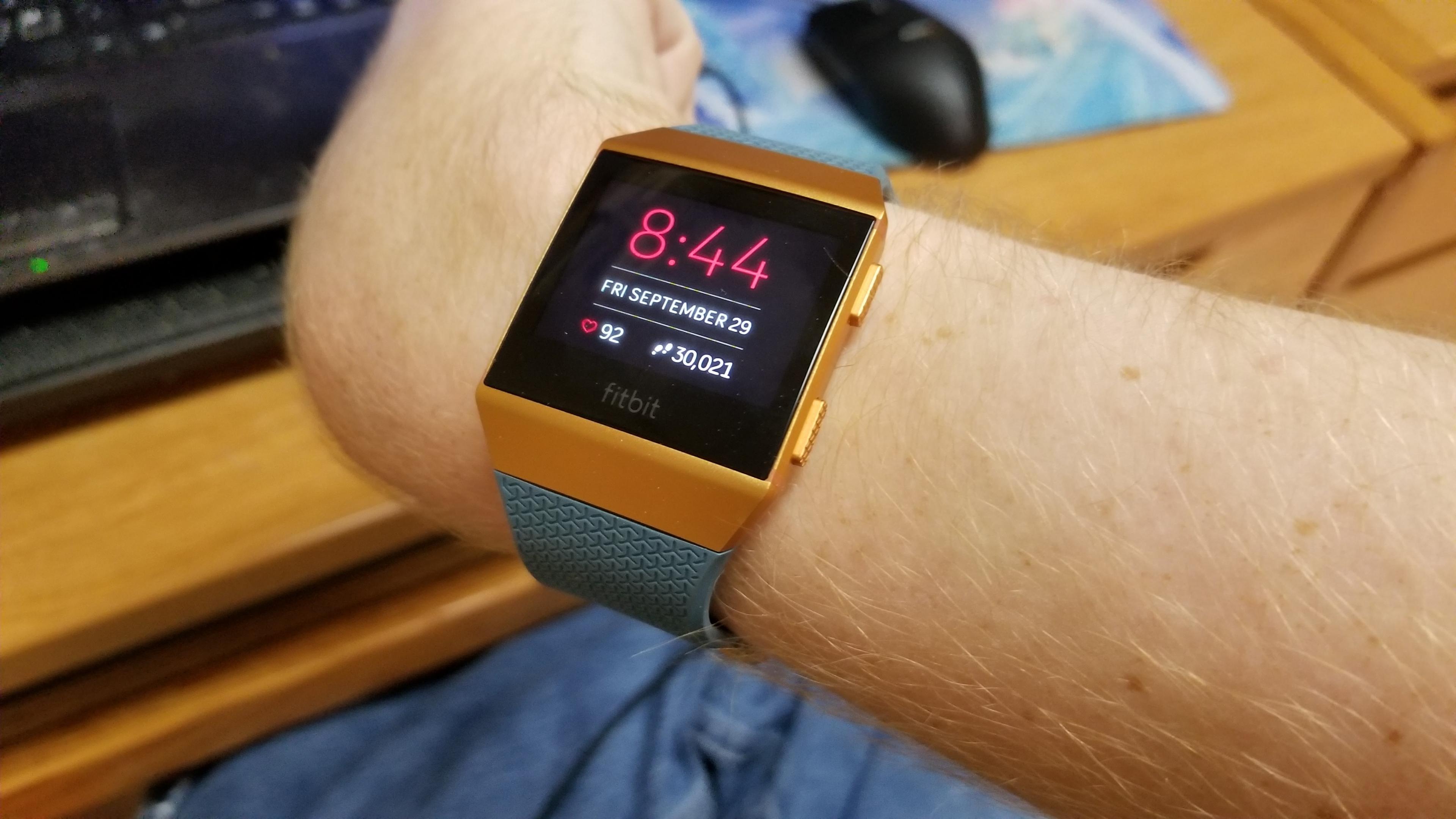
Amazfit GTS 4 Mini excels as a budget-friendly option with exceptional 15-day battery life, lightweight 31.2g design, and crisp 336x384 AMOLED display. Fitbit Sense justifies its $299 premium through advanced health features including ECG, skin temperature monitoring, and NFC payments, plus superior connectivity with WiFi. Battery longevity heavily favors the Amazfit at 15 days versus Fitbit's 6+ days, making it ideal for users prioritizing minimal charging. However, Fitbit Sense delivers comprehensive health tracking for serious fitness enthusiasts willing to sacrifice battery endurance. At three times the price, Fitbit targets users needing medical-grade features and payment capability. For casual fitness tracking and extended wear between charges, Amazfit GTS 4 Mini offers remarkable value. Fitbit Sense suits professionals requiring complete health data and contactless payments.
Who Should Buy
Buy the Amazfit GTS 4 Mini if…
- →15-day battery life is exceptional for an AMOLED smartwatch
- →Very affordable at just $99 with solid fitness features
- →Lightweight at 31.2 g — comfortable for 24/7 wear and sleep tracking
Buy the Fitbit Sense if…
- →Most comprehensive health sensor suite at launch — EDA, ECG, SpO2, skin temp
- →6+ day battery outlasts Apple Watch and Samsung Galaxy Watch
- →Built-in GPS for phone-free outdoor workouts
Category Scores
Pros & Cons
Amazfit GTS 4 Mini
Pros
- 15-day battery life is exceptional for an AMOLED smartwatch
- Very affordable at just $99 with solid fitness features
- Lightweight at 31.2 g — comfortable for 24/7 wear and sleep tracking
- Built-in GPS for outdoor activity tracking
- 120+ sport modes cover nearly every activity
Cons
- No NFC for contactless payments
- Limited smart features — no app store for third-party apps
- No Wi-Fi for faster syncing or standalone functionality
- Zepp OS has fewer integrations than Wear OS or watchOS
- Small display may be hard to read for some users
Fitbit Sense
Pros
- Most comprehensive health sensor suite at launch — EDA, ECG, SpO2, skin temp
- 6+ day battery outlasts Apple Watch and Samsung Galaxy Watch
- Built-in GPS for phone-free outdoor workouts
- Stress management score with EDA sensor is unique
- NFC for Fitbit Pay contactless payments
Cons
- Fitbit OS app ecosystem is very limited compared to watchOS/Wear OS
- Capacitive button is unreliable and frustrating to press
- Many advanced features require Fitbit Premium subscription ($10/mo)
- Google acquisition created uncertainty about Fitbit OS future
Full Specifications
| Spec | Amazfit GTS 4 Mini | Fitbit Sense |
|---|---|---|
| Software | Zepp OS 2.0 | Fitbit OS |
| Body | ||
| Weight | 31.2 g (without strap) | 45.9 g |
| Case material | Aluminum alloy | Aluminum |
| Water resistance | 5ATM | 5ATM |
| Health & Sensors | ||
| ECG | ||
| SpO₂ | ||
| Skin temperature | ||
| Heart rate | ||
| Sleep tracking | ||
| Battery | ||
| Battery life | Up to 15 days (typical use) | Up to 6+ days |
| Display | ||
| Size | 42mm | 40mm (1.58 inches) |
| Type | AMOLED Always-On | AMOLED |
| Always-on display | ||
| Resolution | 336 x 384 | 336 x 336 |
| Processor | ||
| Chipset | Huami custom SoC | Fitbit custom processor |
| Connectivity | ||
| GPS | ||
| NFC | ||
| Wi-Fi | ||
| Cellular | ||
| Bluetooth | 5.2 | 5.0 |
Related Comparisons
This comparison is based on verified manufacturer specifications covering display, performance, camera, battery, and build quality. Scores are generated by analyzing specs across weighted categories on a 10-point scale. Learn more about our methodology.
Explore more in smartwatches, see all Amazfit products or all Fitbit products. View full details for the Amazfit GTS 4 Mini or the Fitbit Sense.