Amazfit Bip 3 vs Samsung Galaxy Watch 4
The Verdict
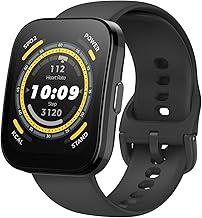
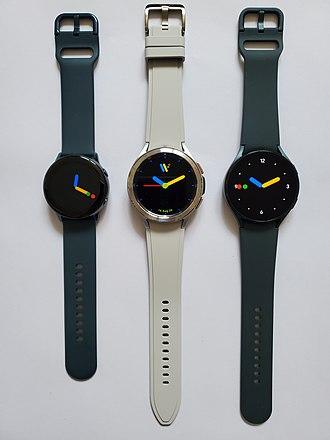
Amazfit Bip 3 prioritizes affordability and marathon battery life with a 14-day charge, making it ideal for users who dislike frequent charging. Samsung Galaxy Watch 4 delivers premium features including ECG capability, GPS, NFC, Super AMOLED display with always-on functionality, and Wear OS 3.0's superior app ecosystem,though battery life sits around 20 hours typically. Bip 3's basic health tracking (SpO2, heart rate, sleep) suffices for casual monitoring, while Galaxy Watch 4's advanced sensors and comprehensive connectivity suit serious fitness enthusiasts. Display quality heavily favors Samsung with vibrant AMOLED versus Bip 3's basic TFT LCD. At $69 versus $249, Bip 3 excels as a budget-friendly tracker with exceptional battery endurance. Galaxy Watch 4 justifies its premium pricing through feature richness and performance. Choose Bip 3 for simplicity and longevity between charges; select Galaxy Watch 4 for capability and ecosystem integration.
Who Should Buy
Buy the Amazfit Bip 3 if…
- →Incredible value at $69 with heart rate, SpO2, and sleep tracking
- →14-day battery life means charging biweekly at most
- →5ATM water resistance for swimming at a budget price
Buy the Samsung Galaxy Watch 4 if…
- →First Samsung watch with Wear OS and Google apps integration
- →BIA sensor for body composition measurement (body fat, muscle mass)
- →Lightweight and slim design comfortable for all-day wear
Category Scores
Pros & Cons
Amazfit Bip 3
Pros
- Incredible value at $69 with heart rate, SpO2, and sleep tracking
- 14-day battery life means charging biweekly at most
- 5ATM water resistance for swimming at a budget price
- 60 sport modes for basic activity tracking
- Lightweight at 33 g — comfortable for all-day wear
Cons
- No built-in GPS — must use connected phone GPS
- TFT LCD display is dim and washes out in direct sunlight
- 240x280 resolution makes text and icons look pixelated
- No NFC, Wi-Fi, or always-on display
- Notification handling is very basic — no actionable replies
Samsung Galaxy Watch 4
Pros
- First Samsung watch with Wear OS and Google apps integration
- BIA sensor for body composition measurement (body fat, muscle mass)
- Lightweight and slim design comfortable for all-day wear
- ECG and blood pressure monitoring (Samsung phones only)
- Affordable entry into Samsung's smartwatch ecosystem
Cons
- Battery life of 20 hours typical requires daily charging
- Gorilla Glass DX+ scratches more easily than sapphire crystal
- Many health features locked to Samsung Galaxy phones
- Wear OS 3 was buggy at launch with limited app support
Full Specifications
| Spec | Amazfit Bip 3 | Samsung Galaxy Watch 4 |
|---|---|---|
| Software | Zepp OS | Wear OS 3.0 (One UI Watch 4) |
| Body | ||
| Weight | 33 g | 25.9 g (40mm) / 30.3 g (44mm) |
| Case material | Polycarbonate | Aluminum with Corning Gorilla Glass DX+ |
| Water resistance | 5ATM | 5ATM + IP68, MIL-STD-810G |
| Health & Sensors | ||
| ECG | ||
| SpO₂ | ||
| Skin temperature | ||
| Heart rate | ||
| Sleep tracking | ||
| Battery | ||
| Battery life | Up to 14 days | Up to 40 hrs (typical ~20 hrs) |
| Display | ||
| Size | 1.69 inches | 40mm / 44mm |
| Type | TFT LCD | Super AMOLED |
| Always-on display | ||
| Resolution | 240 x 280 | 396 x 396 / 450 x 450 |
| Processor | ||
| Chipset | Huami custom processor | Exynos W920 |
| Connectivity | ||
| GPS | ||
| NFC | ||
| Wi-Fi | ||
| Cellular | ||
| Bluetooth | 5.0 | 5.0 |
Related Comparisons
This comparison is based on verified manufacturer specifications covering display, performance, camera, battery, and build quality. Scores are generated by analyzing specs across weighted categories on a 10-point scale. Learn more about our methodology.
Explore more in smartwatches, see all Amazfit products or all Samsung products. View full details for the Amazfit Bip 3 or the Samsung Galaxy Watch 4.