AQUOS sense11 vs Redmi Turbo 5
How They Compare
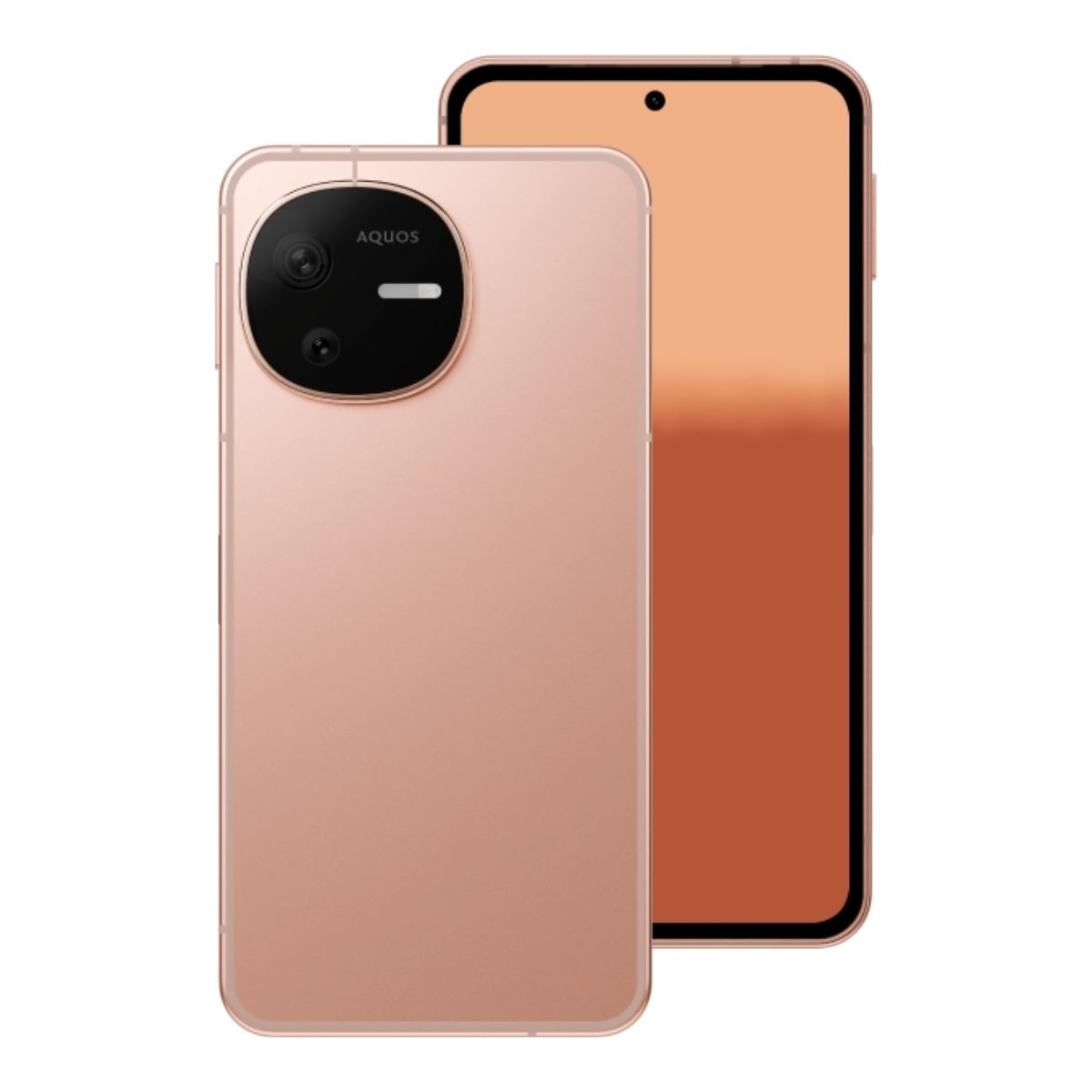
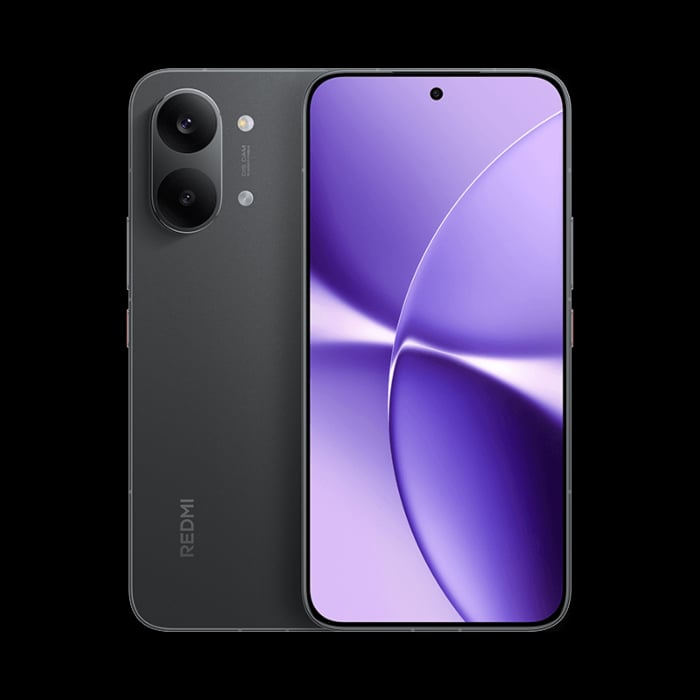
The AQUOS sense11 and Redmi Turbo 5 sit in the same category and end up appealing to slightly different buyers. The Redmi Turbo 5 is the cheaper of the two at $420 versus $631, a difference of about $211. The spec table below ranks 6 of their differences, and they do not all point the same way: the AQUOS sense11 wins on weight (157 g vs 204 g) and Wi-Fi (Wi-Fi 6E vs Wi-Fi 6), the Redmi Turbo 5 on battery capacity (7,540mAh vs 5,000 mAh) and charging (100W wired fast vs 36 W, about 120 minutes). The pros lists below lead with — AQUOS sense11: Bright 6.2-inch Pro IGZO OLED with up to 240 Hz; Redmi Turbo 5: 7,540mAh battery is among the largest in its price class. Use the side-by-side spec table below to compare display, processor, battery and memory in detail and decide which one fits your priorities.
Who Should Buy
Buy the AQUOS sense11 if…
- →Bright 6.2-inch Pro IGZO OLED with up to 240 Hz
- →Thin and light at 7.6 mm and 157 g
- →Extensive water, dust and MIL-STD-810H durability
Buy the Redmi Turbo 5 if…
- →7,540mAh battery is among the largest in its price class
- →100W fast charging refills the oversized battery quickly
- →Dimensity 8500 Ultra delivers strong mid-range to near-flagship performance
Pros & Cons
AQUOS sense11
Pros
- Bright 6.2-inch Pro IGZO OLED with up to 240 Hz
- Thin and light at 7.6 mm and 157 g
- Extensive water, dust and MIL-STD-810H durability
- Up to four OS updates and six years of security patches
Cons
- Snapdragon 7s Gen 3 is midrange for the price
- 36 W charging is slow next to rivals
- No telephoto camera
- Sold in Japan only
Redmi Turbo 5
Pros
- 7,540mAh battery is among the largest in its price class
- 100W fast charging refills the oversized battery quickly
- Dimensity 8500 Ultra delivers strong mid-range to near-flagship performance
Cons
- Camera specs are modest for a $420 price point compared to rivals
- Limited global availability and software support outside China
Full Specifications
| Spec | AQUOS sense11 | Redmi Turbo 5 |
|---|---|---|
| Software | Android 17 (AQUOS UX 17), up to 4 OS updates and 6 years of security updates | Android 15 with HyperOS 2 |
| Body | ||
| Weight | 157 g | 204 g |
| Biometrics | Face (mask-compatible) and fingerprint | — |
| Dimensions | 151 x 73 x 7.6 mm | — |
| Water resistance | IPX5, IPX8, IPX9 and IP6X; MIL-STD-810H (16 tests) | — |
| Material | — | Glass front, plastic or AG matte back, aluminum frame |
| Memory | ||
| Overview | — | 12GB RAM / 256GB storage (base), up to 16GB RAM / 512GB storage |
| RAM | 8 GB or 12 GB LPDDR5X | 12GB |
| Expandable storage | microSDXC up to 2 TB | — |
| Storage options | 128 GB or 256 GB UFS 3.1 | 256GB |
| Battery | ||
| Capacity | 5,000 mAh | 7,540mAh |
| Charging | 36 W, about 120 minutes | 100W wired fast |
| Cameras | ||
| Main camera | 50.3 MP, f/1.9, 1/1.55-inch sensor, OIS, 23 mm | — |
| Front camera | 32 MP, f/2.2 | — |
| Ultrawide | 50.3 MP, f/2.2, 122 degrees, 13 mm | — |
| Display | ||
| Overview | — | 6.59-inch AMOLED, 120Hz refresh rate, 1.5K resolution |
| Size | 6.2 inches | 6.59-inch |
| Type | Pro IGZO OLED | AMOLED |
| Resolution | 1080 x 2340 pixels (FHD+) | — |
| Refresh rate | 1 to 240 Hz variable | 120Hz |
| Brightness (nits) | 1,500 full-screen, 3,000 peak | — |
| Processor | ||
| Chipset | Qualcomm Snapdragon 7s Gen 3 (octa-core, up to 2.5 GHz) | MediaTek Dimensity 8500 Ultra |
| Connectivity | ||
| 5G | Yes | |
| NFC | FeliCa | |
| SIM | nanoSIM plus eSIM (DSDV) | — |
| USB | USB-C (USB 3.2 Gen 1) | USB-C |
| Wi-Fi | Wi-Fi 6E | Wi-Fi 6 |
| Bluetooth | 5.2 | 5.4 |
| Camera | ||
| Main camera | — | 50MP main |
| Front camera | — | 20MP front camera |
| Ultrawide | — | 8MP ultrawide rear cameras |
Want to compare a third product?
Add another product for a 3-way comparison.
Related Comparisons
Explore more in phones, see all Sharp products or all Xiaomi products. View full details for the AQUOS sense11 or the Redmi Turbo 5.