AQUOS sense11 vs Xiaomi 15 Pro
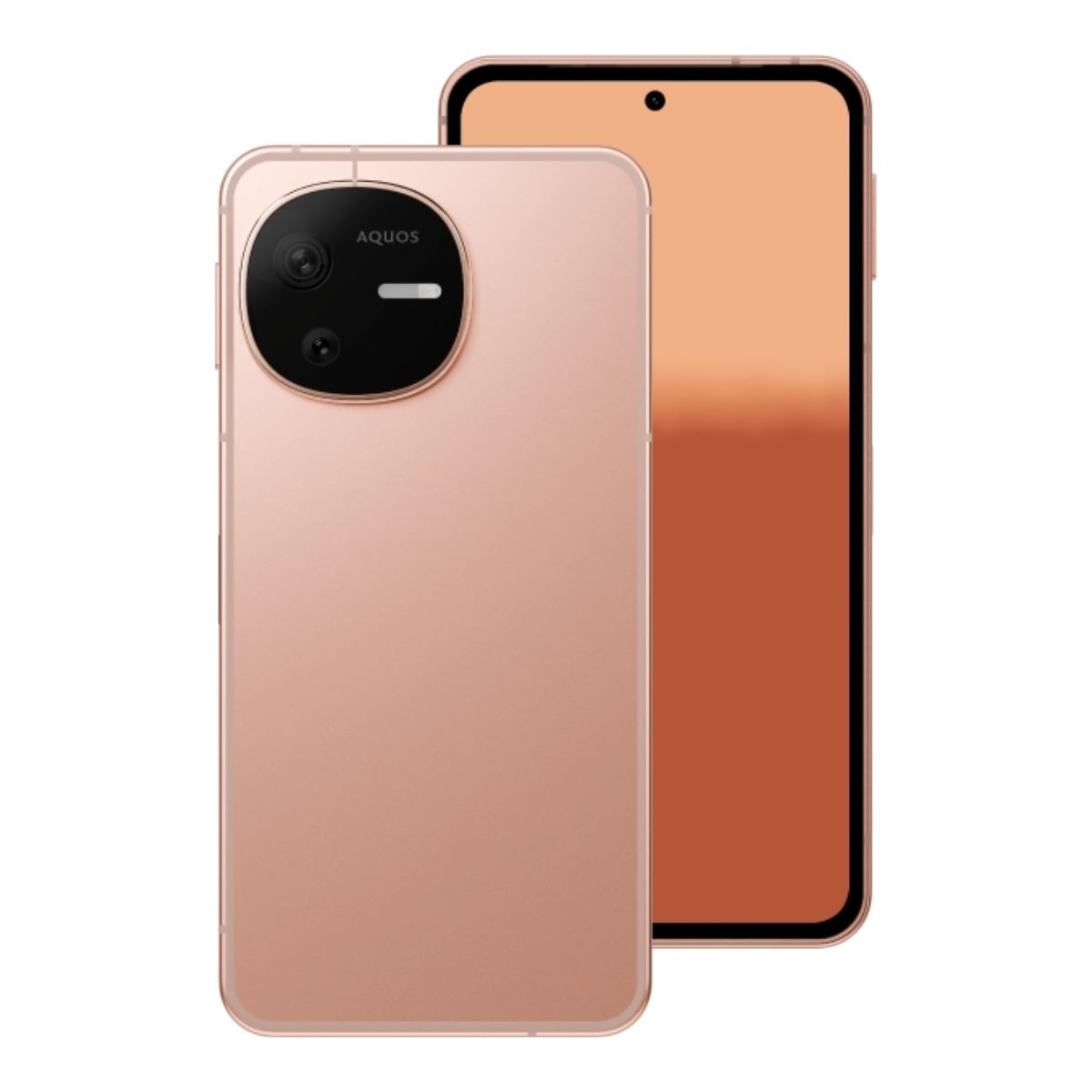

How They Compare
The AQUOS sense11 and Xiaomi 15 Pro sit in the same category and end up appealing to slightly different buyers. The AQUOS sense11 is the cheaper of the two at $631 versus $749, a difference of about $118. The spec table below ranks 10 of their differences, and they do not all point the same way: the AQUOS sense11 wins on weight (157 g vs 213 g), the Xiaomi 15 Pro on battery capacity (6100 mAh vs 5,000 mAh) and charging (90W wired vs 36 W, about 120 minutes). The AQUOS sense11 is the newer of the two, released in 2026 against 2024. The pros lists below lead with — AQUOS sense11: Bright 6.2-inch Pro IGZO OLED with up to 240 Hz; Xiaomi 15 Pro: Snapdragon 8 Elite with 2K LTPO display. Use the side-by-side spec table below to compare display, processor, battery and memory in detail and decide which one fits your priorities.
Who Should Buy
Buy the AQUOS sense11 if…
- →Bright 6.2-inch Pro IGZO OLED with up to 240 Hz
- →Thin and light at 7.6 mm and 157 g
- →Extensive water, dust and MIL-STD-810H durability
Buy the Xiaomi 15 Pro if…
- →Snapdragon 8 Elite with 2K LTPO display
- →50MP triple camera with 5x periscope telephoto
- →Massive 6100 mAh battery with 90W charging
Pros & Cons
AQUOS sense11
Pros
- Bright 6.2-inch Pro IGZO OLED with up to 240 Hz
- Thin and light at 7.6 mm and 157 g
- Extensive water, dust and MIL-STD-810H durability
- Up to four OS updates and six years of security patches
Cons
- Snapdragon 7s Gen 3 is midrange for the price
- 36 W charging is slow next to rivals
- No telephoto camera
- Sold in Japan only
Xiaomi 15 Pro
Pros
- Snapdragon 8 Elite with 2K LTPO display
- 50MP triple camera with 5x periscope telephoto
- Massive 6100 mAh battery with 90W charging
- 8K video recording capability
- IP68 water and dust resistance
Cons
- Limited global availability
- HyperOS has more bloatware than stock Android
- No headphone jack
Full Specifications
| Spec | AQUOS sense11 | Xiaomi 15 Pro |
|---|---|---|
| Software | Android 17 (AQUOS UX 17), up to 4 OS updates and 6 years of security updates | Android 15, HyperOS 2 |
| Body | ||
| Weight | 157 g | 213 g |
| Biometrics | Face (mask-compatible) and fingerprint | — |
| Dimensions | 151 x 73 x 7.6 mm | 161.3 x 75.3 x 8.4 mm |
| Water resistance | IPX5, IPX8, IPX9 and IP6X; MIL-STD-810H (16 tests) | — |
| Material | — | Metal frame, glass back |
| IP rating | — | IP68 |
| Memory | ||
| RAM | 8 GB or 12 GB LPDDR5X | 12 GB / 16 GB |
| Expandable storage | microSDXC up to 2 TB | — |
| Storage options | 128 GB or 256 GB UFS 3.1 | 256 GB, 512 GB, 1 TB |
| Battery | ||
| Capacity | 5,000 mAh | 6100 mAh |
| Charging | 36 W, about 120 minutes | 90W wired |
| Wireless charging | — | 50W wireless, 10W reverse |
| Cameras | ||
| Main camera | 50.3 MP, f/1.9, 1/1.55-inch sensor, OIS, 23 mm | — |
| Front camera | 32 MP, f/2.2 | — |
| Ultrawide | 50.3 MP, f/2.2, 122 degrees, 13 mm | — |
| Display | ||
| Size | 6.2 inches | 6.73 inches |
| Type | Pro IGZO OLED | LTPO AMOLED |
| Resolution | 1080 x 2340 pixels (FHD+) | 1440 x 3200 |
| Refresh rate | 1 to 240 Hz variable | 120Hz |
| Brightness (nits) | 1,500 full-screen, 3,000 peak | 3200 |
| Processor | ||
| Chipset | Qualcomm Snapdragon 7s Gen 3 (octa-core, up to 2.5 GHz) | Qualcomm Snapdragon 8 Elite |
| CPU | — | Octa-core (2x4.32 GHz + 6x3.53 GHz) |
| GPU | — | Adreno 830 |
| Connectivity | ||
| 5G | Yes | |
| NFC | FeliCa | |
| SIM | nanoSIM plus eSIM (DSDV) | — |
| USB | USB-C (USB 3.2 Gen 1) | USB-C 3.2 Gen2 |
| Wi-Fi | Wi-Fi 6E | Wi-Fi 7 |
| Bluetooth | 5.2 | 5.4 |
| Camera | ||
| Main camera | — | 50 MP, f/1.4, 23mm, 1/1.3", OIS |
| Front camera | — | 32 MP, f/2.0, 22mm |
| Video | — | 8K@24/30fps, 4K@60fps |
| Telephoto | — | 50 MP, f/2.5, 120mm, 5x optical zoom, OIS |
| Ultrawide | — | 50 MP, f/2.2, 14mm, 115-degree |
Want to compare a third product?
Add another product for a 3-way comparison.
Related Comparisons
Explore more in phones, see all Sharp products or all Xiaomi products. View full details for the AQUOS sense11 or the Xiaomi 15 Pro.