Sennheiser HD 560S vs Sony MDR-3R

How They Compare
The Sennheiser HD 560S and Sony MDR-3R sit in the same category, and this page sets their published specifications side by side. The Sony MDR-3R is the cheaper of the two at $60 versus $199, a difference of about $139. The Sony MDR-3R is the newer of the two, released in 2026 against 2020. The pros lists below lead with — Sennheiser HD 560S: Audiophile-grade clarity and neutral sound at an accessible price; Sony MDR-3R: USB-C connectivity is more universal and convenient than older 3.5mm-only or proprietary wired standards. Use the side-by-side spec table below to compare active noise cancelling and connectivity in detail and decide which one fits your priorities.
Who Should Buy
Buy the Sennheiser HD 560S if…
- →Audiophile-grade clarity and neutral sound at an accessible price
- →120-ohm impedance works with most phones and laptops without an amp
- →Incredibly wide soundstage for gaming, mixing, and critical listening
Buy the Sony MDR-3R if…
- →USB-C connectivity is more universal and convenient than older 3.5mm-only or proprietary wired standards
- →Built-in microphone and volume knob add hands-free and playback control without extra hardware
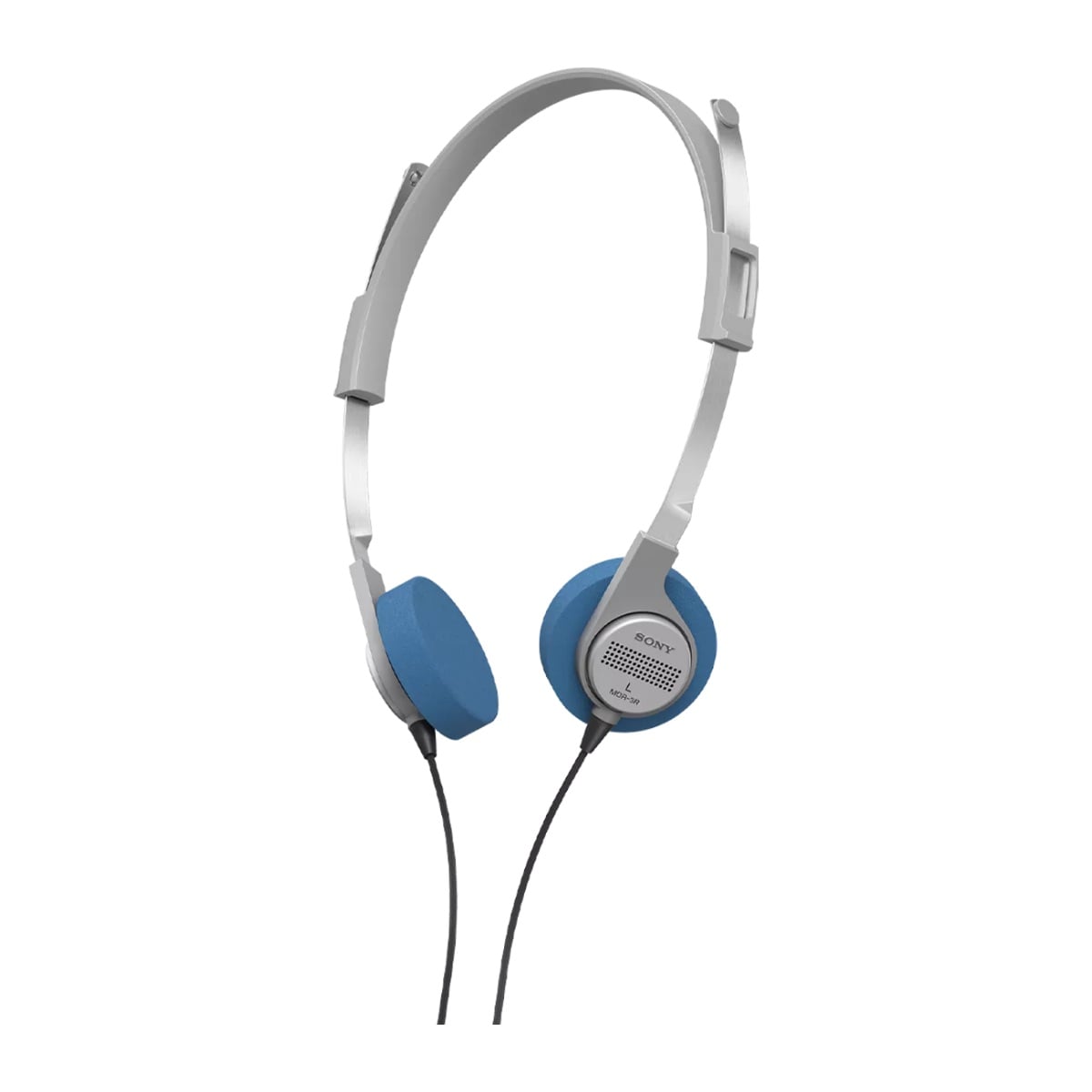
- →Retro-inspired design aesthetic stands out in a market crowded with generic-looking wired headphones
Pros & Cons
Sennheiser HD 560S
Pros
- Audiophile-grade clarity and neutral sound at an accessible price
- 120-ohm impedance works with most phones and laptops without an amp
- Incredibly wide soundstage for gaming, mixing, and critical listening
- Lightweight and comfortable for marathon listening sessions
- Excellent value as an entry into open-back audiophile headphones
Cons
- Open-back design leaks sound heavily — no isolation
- Wired only — no wireless option
- Bass can sound lean for casual listeners who prefer warmth
- Plastic build feels less premium than metal-bodied competitors
Sony MDR-3R
Pros
- USB-C connectivity is more universal and convenient than older 3.5mm-only or proprietary wired standards
- Built-in microphone and volume knob add hands-free and playback control without extra hardware
- Retro-inspired design aesthetic stands out in a market crowded with generic-looking wired headphones
Cons
- No active noise cancellation at a $60 price point where some competitors offer basic ANC
- Wired-only with no Bluetooth option limits use with devices that lack a USB-C audio output
Full Specifications
| Spec | Sennheiser HD 560S | Sony MDR-3R |
|---|---|---|
| Active Noise Cancelling | none | |
| Type | over-ear | over-ear headphones |
| Weight | 240 g | — |
| Drivers | 38mm dynamic transducer, 120 ohm impedance | — |
| Features | Open-back reference design, 120-ohm impedance — can be driven by most sources, Detachable cable, Velour ear pads for comfort, Wide frequency response (6 Hz – 38,000 Hz) | built-in microphone, volume knob |
| Connectivity | ||
| Wired option | USB-C | |
| Codecs | — | — |
| Bluetooth | None (wired only) | — |
| Multipoint | Not stated | |
| Water Resistance | None | — |
| Battery | ||
| Present | Not stated | |
Want to compare a third product?
Add another product for a 3-way comparison.
Related Comparisons
Explore more in headphones, see all Sennheiser products or all Sony products. View full details for the Sennheiser HD 560S or the Sony MDR-3R.