Samsung CU7000 50" vs Sony X85K 65" (LED)

The Verdict
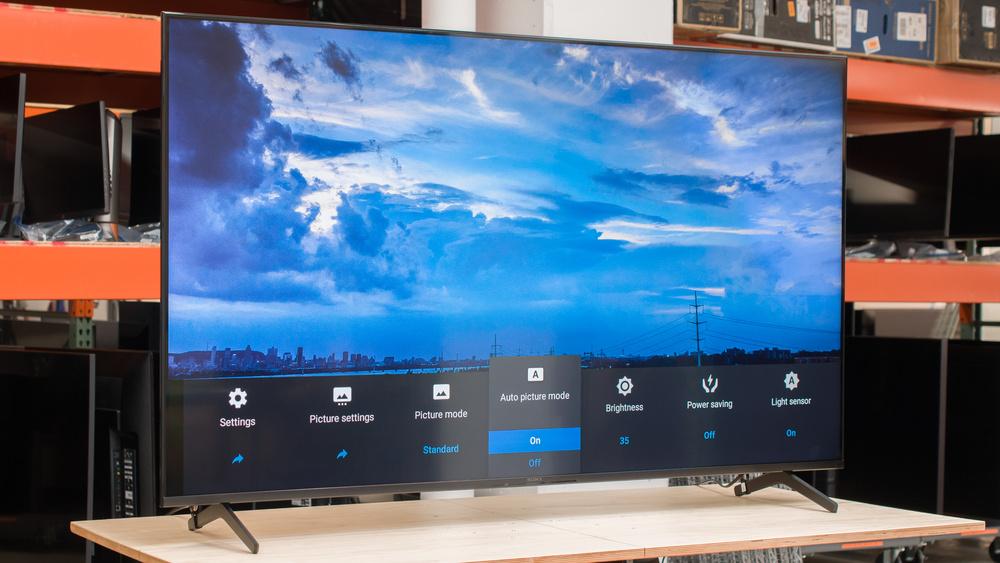
Samsung's CU7000 delivers remarkable value at $279 for a 50-inch 4K display with HDR10+ support and acceptable brightness at 250 nits. Sony's X85K commands premium pricing at $999 but justifies it with a larger 65-inch panel, substantially brighter Direct LED backlighting (700 nits), full-array dimming, Dolby Vision, 120Hz refresh rate, and superior gaming features including VRR and lower 10ms input lag versus Samsung's 14ms. Audio remains identical at 20W 2.0ch, though Sony adds Dolby Atmos processing. For budget-conscious buyers seeking basic 4K entertainment, Samsung excels; serious gamers and film enthusiasts will appreciate Sony's advanced motion handling, superior contrast control, and professional color grading support. Sony X85K emerges as the better overall performer, but Samsung offers exceptional value for casual viewers.
Who Should Buy
Buy the Samsung CU7000 50" if…
- →Under $280 for a 50-inch Samsung 4K TV is exceptional value
- →Tizen smart TV platform with all major streaming apps
- →HDR10+ support at this price point is uncommon
Buy the Sony X85K 65" (LED) if…
- →120Hz with VRR at $999 makes it a capable mid-range gaming TV
- →Wide viewing angles from IPS panel suit family viewing
- →Dolby Vision and Dolby Atmos for full HDR support
Category Scores
Pros & Cons
Samsung CU7000 50"
Pros
- Under $280 for a 50-inch Samsung 4K TV is exceptional value
- Tizen smart TV platform with all major streaming apps
- HDR10+ support at this price point is uncommon
- Light enough to mount with a basic bracket
- Simple setup with Samsung's guided setup wizard
Cons
- Very low brightness limits HDR performance significantly
- 60Hz panel — not suitable for gaming or fast-moving sports
- No VRR or HDMI 2.1 features
- Mediocre viewing angles — color shifts off-center
Sony X85K 65" (LED)
Pros
- 120Hz with VRR at $999 makes it a capable mid-range gaming TV
- Wide viewing angles from IPS panel suit family viewing
- Dolby Vision and Dolby Atmos for full HDR support
- Sony X1 processor handles upscaling and motion well
- Google TV platform with Chromecast built-in
Cons
- IPS panel has poor black levels — contrast is a weakness
- No local dimming — black uniformity suffers in dark scenes
- 700 nits brightness is modest for HDR performance
- 20W speakers need external audio support
- Bluetooth 4.2 is dated for a 2022 TV
Full Specifications
| Spec | Samsung CU7000 50" | Sony X85K 65" (LED) |
|---|---|---|
| Body | ||
| VESA mount | 200 x 200mm | 300 x 300mm |
| Weight | 22.9 lbs | 43.2 lbs |
| Dimensions (w/ stand) | 44.3 x 28.1 x 8.2 inches | 57.1 x 35.8 x 13.4 inches |
| Dimensions | — | 57.1 x 33.1 x 3.0 inches |
| Audio | ||
| Output (watts) | 20 | 20 |
| Speakers | 2.0ch | 2.0ch |
| Dolby Atmos | ||
| Gaming | ||
| VRR (Variable Refresh Rate) | ||
| ALLM | ||
| Input lag (ms) | 14 | 10 |
| Display | ||
| HDR | HDR10+, HLG | Dolby Vision, HDR10, HLG |
| Size | 50" | 65" |
| Type | Crystal UHD LED | Direct LED (IPS panel) |
| Resolution | 3840 x 2160 (4K UHD) | 3840 x 2160 (4K) |
| Refresh rate | 60Hz | 120Hz |
| Brightness (nits) | 250 | 700 |
| Smart TV | ||
| Os | Tizen OS | Google TV |
| Voice assistant | Bixby, Alexa | Google Assistant, Alexa |
| Processor | ||
| Chipset | Crystal Processor 4K | — |
| Connectivity | ||
| Wi-Fi | Wi-Fi 5 (802.11ac) | Wi-Fi 5 |
| Ethernet | ||
| Bluetooth | 5.2 | 4.2 |
| USB ports | 1 | 2 |
| HDMI ports | 3 | 4 |
Related Comparisons
This comparison is based on verified manufacturer specifications covering display, performance, camera, battery, and build quality. Scores are generated by analyzing specs across weighted categories on a 10-point scale. Learn more about our methodology.
Explore more in tvs, see all Samsung products or all Sony products. View full details for the Samsung CU7000 50" or the Sony X85K 65" (LED).