Oppo Find X10 E vs AQUOS sense11
How They Compare
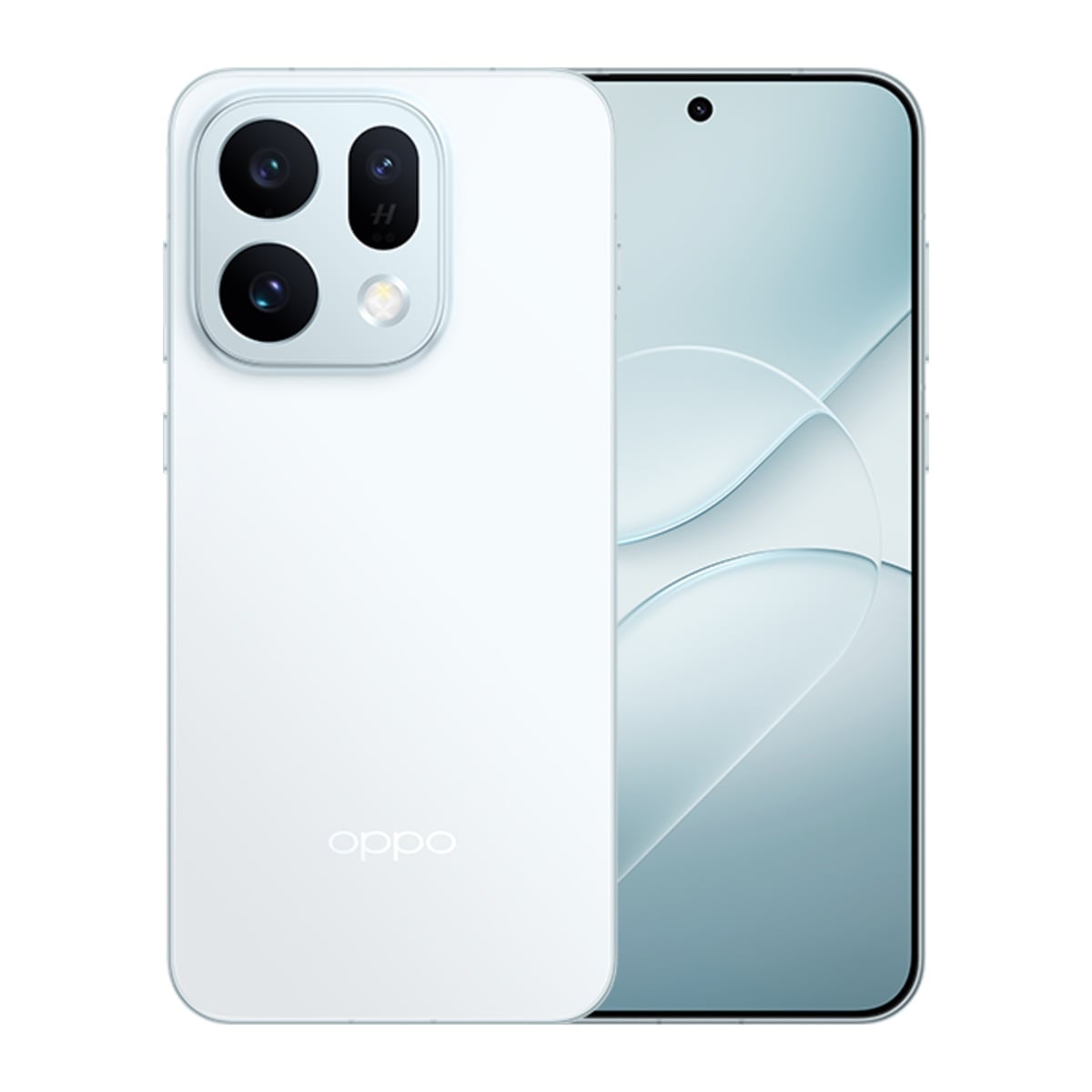
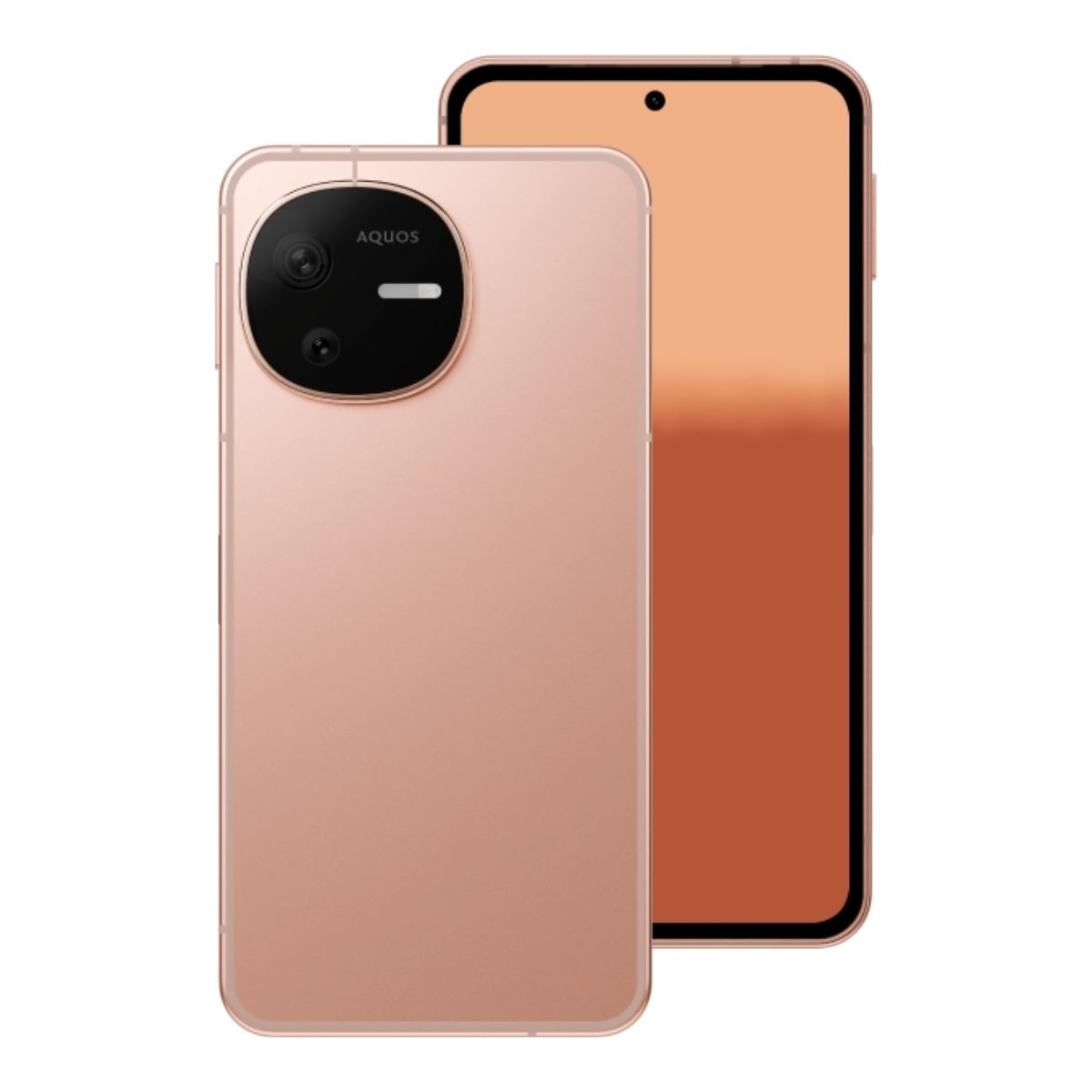
The Oppo Find X10 E and AQUOS sense11 sit in the same category and end up appealing to slightly different buyers. The AQUOS sense11 is the cheaper of the two at $631 versus $746, a difference of about $115. The spec table below ranks 7 of their differences, and they do not all point the same way: the Oppo Find X10 E wins on battery capacity (7,025mAh vs 5,000 mAh) and charging (80W wired vs 36 W, about 120 minutes), the AQUOS sense11 on weight (157 g vs 203g). The pros lists below lead with — Oppo Find X10 E: Cheapest way into the Find X10 line at CNY 4,999; AQUOS sense11: Bright 6.2-inch Pro IGZO OLED with up to 240 Hz. Use the side-by-side spec table below to compare display, processor, battery and memory in detail and decide which one fits your priorities.
Who Should Buy
Buy the Oppo Find X10 E if…
- →Cheapest way into the Find X10 line at CNY 4,999
- →Full 50MP triple camera including a 3x telephoto
- →7,025mAh battery with 80W wired and 50W wireless charging
Buy the AQUOS sense11 if…
- →Bright 6.2-inch Pro IGZO OLED with up to 240 Hz
- →Thin and light at 7.6 mm and 157 g
- →Extensive water, dust and MIL-STD-810H durability
Pros & Cons
Oppo Find X10 E
Pros
- Cheapest way into the Find X10 line at CNY 4,999
- Full 50MP triple camera including a 3x telephoto
- 7,025mAh battery with 80W wired and 50W wireless charging
- Lightest of the three at 203g
Cons
- 50MP main sensor rather than the 200MP units in the X10 and Pro Max
- 120Hz instead of 144Hz
- China-only launch so far
AQUOS sense11
Pros
- Bright 6.2-inch Pro IGZO OLED with up to 240 Hz
- Thin and light at 7.6 mm and 157 g
- Extensive water, dust and MIL-STD-810H durability
- Up to four OS updates and six years of security patches
Cons
- Snapdragon 7s Gen 3 is midrange for the price
- 36 W charging is slow next to rivals
- No telephoto camera
- Sold in Japan only
Full Specifications
| Spec | Oppo Find X10 E | AQUOS sense11 |
|---|---|---|
| Software | ColorOS 17 (Android 17) | Android 17 (AQUOS UX 17), up to 4 OS updates and 6 years of security updates |
| Body | ||
| Weight | 203g | 157 g |
| Material | Glass and metal | — |
| Dimensions | 156.98 x 73.93 x 7.99 mm | 151 x 73 x 7.6 mm |
| Biometrics | — | Face (mask-compatible) and fingerprint |
| Water resistance | — | IPX5, IPX8, IPX9 and IP6X; MIL-STD-810H (16 tests) |
| Camera | ||
| Main camera | 50MP f/1.6 1/1.4-inch main with two-axis OIS | — |
| Front camera | 32MP front | — |
| Telephoto | 50MP 3x telephoto 1/1.95-inch with two-axis OIS | — |
| Ultrawide | 50MP f/2.0 120-degree ultrawide | — |
| Memory | ||
| RAM | 12GB or 16GB | 8 GB or 12 GB LPDDR5X |
| Storage options | 256GB, 512GB | 128 GB or 256 GB UFS 3.1 |
| Expandable storage | — | microSDXC up to 2 TB |
| Battery | ||
| Capacity | 7,025mAh | 5,000 mAh |
| Charging | 80W wired | 36 W, about 120 minutes |
| Wireless charging | 50W wireless | — |
| Display | ||
| Overview | 6.59-inch AMOLED, 1256 x 2760, 120Hz, 240Hz touch sampling, 800 nits typical and 1,800 nits in HBM | — |
| Size | 6.59-inch | 6.2 inches |
| Type | AMOLED | Pro IGZO OLED |
| Resolution | 1256 x 2760 | 1080 x 2340 pixels (FHD+) |
| Refresh rate | 120Hz | 1 to 240 Hz variable |
| Brightness (nits) | 800 typical / 1800 HBM | 1,500 full-screen, 3,000 peak |
| Processor | ||
| Overview | MediaTek Dimensity 9500s (3nm) | — |
| Chipset | — | Qualcomm Snapdragon 7s Gen 3 (octa-core, up to 2.5 GHz) |
| Connectivity | ||
| Overview | 5G, Wi-Fi 7, Bluetooth, NFC, USB-C | — |
| 5G | Yes | |
| NFC | FeliCa | |
| USB | USB-C | USB-C (USB 3.2 Gen 1) |
| Wi-Fi | Wi-Fi 7 | Wi-Fi 6E |
| SIM | — | nanoSIM plus eSIM (DSDV) |
| Bluetooth | — | 5.2 |
| Cameras | ||
| Main camera | — | 50.3 MP, f/1.9, 1/1.55-inch sensor, OIS, 23 mm |
| Front camera | — | 32 MP, f/2.2 |
| Ultrawide | — | 50.3 MP, f/2.2, 122 degrees, 13 mm |
Want to compare a third product?
Add another product for a 3-way comparison.
Related Comparisons
Explore more in phones, see all OPPO products or all Sharp products. View full details for the Oppo Find X10 E or the AQUOS sense11.