Nothing Ear (2) vs Sony MDR-3R

How They Compare
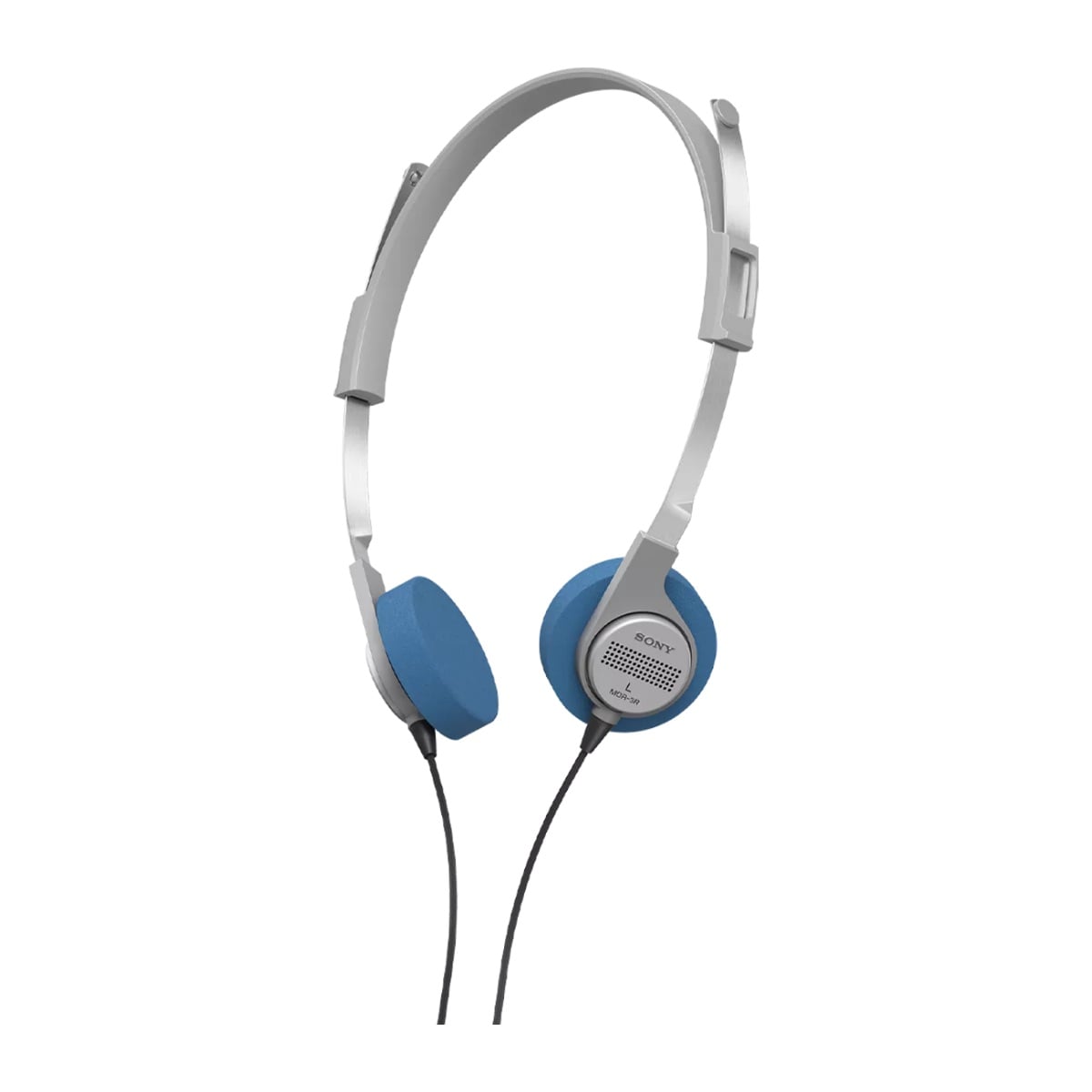
The Nothing Ear (2) and Sony MDR-3R sit in the same category, and on the specifications this page can rank they do not come out level. The Sony MDR-3R is the cheaper of the two at $60 versus $149, a difference of about $89. The spec table below ranks one of their differences, and every one of them goes to the Sony MDR-3R. The Sony MDR-3R is the newer of the two, released in 2026 against 2023. The pros lists below lead with — Nothing Ear (2): Striking transparent design that stands out; Sony MDR-3R: USB-C connectivity is more universal and convenient than older 3.5mm-only or proprietary wired standards. Use the side-by-side spec table below to compare active noise cancelling, battery and connectivity in detail and decide which one fits your priorities.
Who Should Buy
Buy the Nothing Ear (2) if…
- →Striking transparent design that stands out
- →Hi-res LHDC 5.0 codec support and personalized sound profile
- →Bluetooth multipoint for two-device pairing
Buy the Sony MDR-3R if…
- →USB-C connectivity is more universal and convenient than older 3.5mm-only or proprietary wired standards
- →Built-in microphone and volume knob add hands-free and playback control without extra hardware
- →Retro-inspired design aesthetic stands out in a market crowded with generic-looking wired headphones
Pros & Cons
Nothing Ear (2)
Pros
- Striking transparent design that stands out
- Hi-res LHDC 5.0 codec support and personalized sound profile
- Bluetooth multipoint for two-device pairing
- Comfortable, lightweight fit with secure seal
- Affordable at $149
Cons
- ANC is good but not class-leading
- Battery life with ANC on is shorter than rivals
- App and feature support is best on Nothing phones
- Pinch controls take getting used to
Sony MDR-3R
Pros
- USB-C connectivity is more universal and convenient than older 3.5mm-only or proprietary wired standards
- Built-in microphone and volume knob add hands-free and playback control without extra hardware
- Retro-inspired design aesthetic stands out in a market crowded with generic-looking wired headphones
Cons
- No active noise cancellation at a $60 price point where some competitors offer basic ANC
- Wired-only with no Bluetooth option limits use with devices that lack a USB-C audio output
Full Specifications
| Spec | Nothing Ear (2) | Sony MDR-3R |
|---|---|---|
| Active Noise Cancelling | none | |
| Type | in-ear | over-ear headphones |
| Weight | 4.5 g (per bud) | — |
| Battery | ||
| Battery life | 4 hrs buds (ANC on) / 6.3 hrs (ANC off) | — |
| Charging | USB-C, Qi wireless | — |
| Total with case | Up to 22.5 hrs (ANC on) | — |
| Present | Not stated | |
| Drivers | 11.6 mm dynamic driver with custom diaphragm | — |
| Features | Personalized active noise cancellation, LHDC 5.0 hi-res audio support, Personal Sound Profile via Mimi hearing test, Dual connection (Bluetooth multipoint), Pinch-stem controls, Transparent design with glyph case | built-in microphone, volume knob |
| Connectivity | ||
| Wired option | USB-C | |
| Codecs | LHDC 5.0, AAC, SBC | — |
| Bluetooth | 5.3 | — |
| Multipoint | Not stated | |
| Water Resistance | IP54 (buds), IP55 (case) | — |
Want to compare a third product?
Add another product for a 3-way comparison.
Related Comparisons
Explore more in headphones, see all Nothing products or all Sony products. View full details for the Nothing Ear (2) or the Sony MDR-3R.