Motorola Moto G Stylus 5G (2024) vs Xiaomi 14
The Verdict
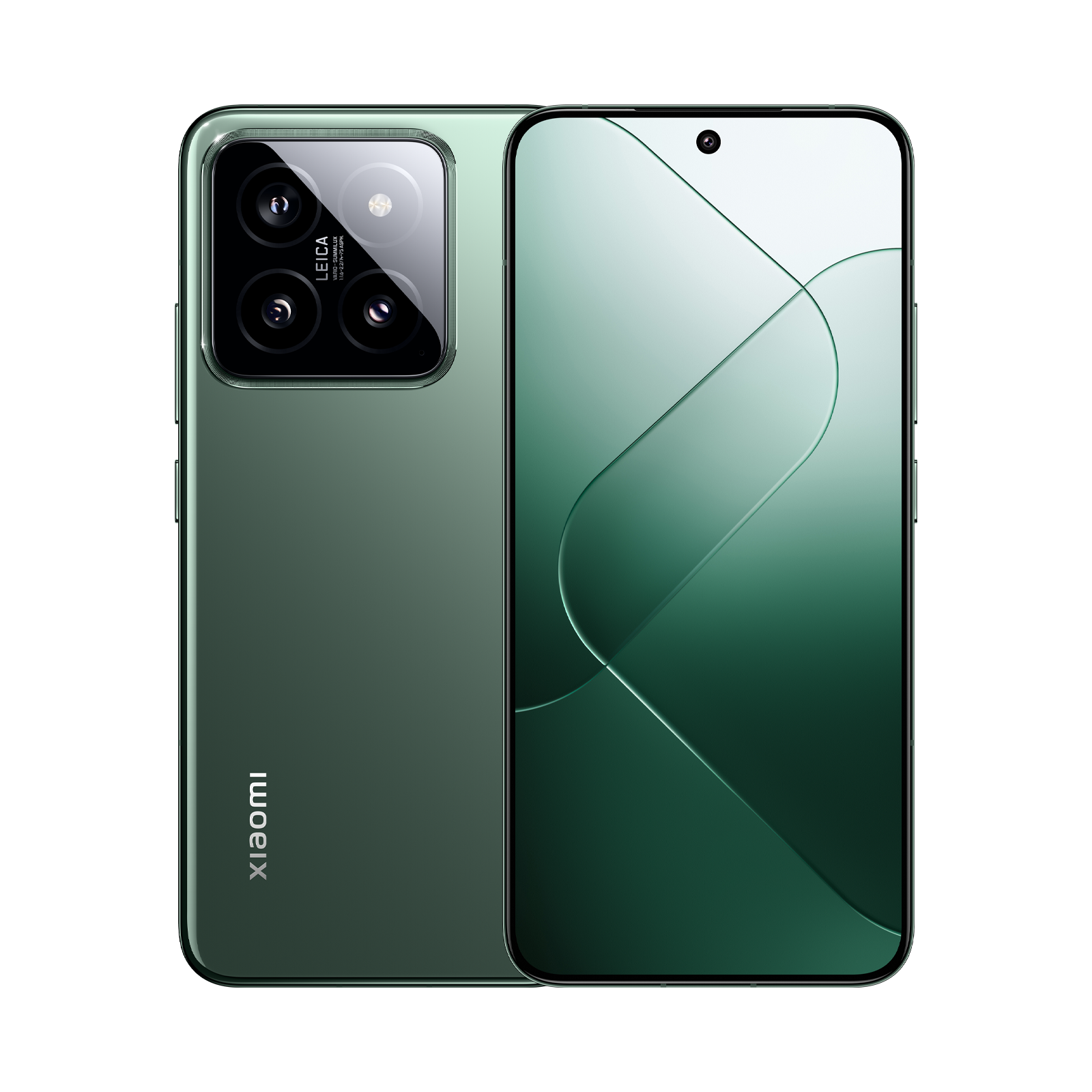
Xiaomi 14 delivers flagship performance with Snapdragon 8 Gen 3, superior camera versatility via triple 50MP setup, and exceptional display quality at 3000 nits brightness with LTPO OLED technology. Its 90W charging and 50W wireless charging significantly outpace the Moto G Stylus 5G's 30W wired and 15W wireless capabilities. Moto G Stylus 5G offers solid midrange value with stylus integration, larger 6.7-inch pOLED display, and impressive 5000mAh battery at half the price. Camera performance favors Xiaomi with 8K video and telephoto lens, while Moto G prioritizes everyday usability with practical software and durable design. For power users demanding premium specifications and camera prowess, Xiaomi 14 justifies its premium. Budget-conscious buyers seeking stylus functionality and all-day battery will appreciate Moto G Stylus 5G's practical approach.
Who Should Buy
Buy the Motorola Moto G Stylus 5G (2024) if…
- →Built-in stylus for note-taking and precise screen interaction
- →Vibrant pOLED 120Hz display with 1300-nit peak brightness
- →IP68 dust and water resistance at the $399 price point
Buy the Xiaomi 14 if…
- →Compact flagship form factor
- →Excellent Leica-tuned triple camera
- →Very bright 3000-nit display
Category Scores
Pros & Cons
Motorola Moto G Stylus 5G (2024)
Pros
- Built-in stylus for note-taking and precise screen interaction
- Vibrant pOLED 120Hz display with 1300-nit peak brightness
- IP68 dust and water resistance at the $399 price point
- Wireless charging support is uncommon in this segment
- Large 5000 mAh battery with respectable 30W fast charging
Cons
- Stylus lacks Bluetooth or air gesture features like S Pen
- No telephoto camera for zoom photography
- Snapdragon 6 Gen 1 is mid-range — not ideal for heavy gaming
- Only one OS update and three years of security patches
- Video recording maxes out at 4K@30fps
Xiaomi 14
Pros
- Compact flagship form factor
- Excellent Leica-tuned triple camera
- Very bright 3000-nit display
- Flagship Snapdragon 8 Gen 3 chipset
- Fast 90W wired charging
Cons
- Not officially sold in the US
- HyperOS bloatware in some regions
- Smaller battery than Pro/Ultra siblings
- No optical zoom beyond 3.2x
Full Specifications
| Spec | Motorola Moto G Stylus 5G (2024) | Xiaomi 14 |
|---|---|---|
| Software | Android 14 | Android 14, HyperOS |
| Body | ||
| Weight | 190 g | 193 g |
| Material | Vegan leather back, plastic frame | Aluminum frame, glass back |
| IP rating | IP68 | IP68 |
| Dimensions | 162.6 x 75 x 8.3 mm | 152.8 x 71.5 x 8.2 mm |
| Camera | ||
| Main camera | 50 MP, f/1.8, PDAF, OIS | 50 MP, f/1.6, Light Fusion 900 |
| Front camera | 32 MP, f/2.4 | 32 MP, f/2.0 |
| Video | 4K@30fps | 8K@24fps, 4K@60fps |
| Ultrawide | 13 MP, f/2.2 | 50 MP, f/2.2, 14mm |
| Telephoto | — | 50 MP 3.2x f/2.0 |
| Memory | ||
| RAM | 8 GB | 8 GB / 12 GB / 16 GB |
| Storage options | 256 GB | 256 GB, 512 GB, 1 TB |
| Battery | ||
| Capacity | 5000 mAh | 4610 mAh |
| Charging | 30W wired (TurboPower) | 90W wired |
| Wireless charging | 15W wireless | 50W wireless |
| Display | ||
| Size | 6.7 inches | 6.36 inches |
| Type | pOLED | LTPO OLED |
| Resolution | 2400 x 1080 | 2670 x 1200 |
| Refresh rate | 120Hz | 120Hz |
| Brightness (nits) | 1300 | 3000 |
| Processor | ||
| CPU | Octa-core (4x2.2 GHz + 4x1.8 GHz) | Octa-core (1x3.3 GHz Cortex-X4 + 5x3.2 GHz A720 + 2x2.3 GHz A520) |
| GPU | Adreno 710 | Adreno 750 |
| Chipset | Qualcomm Snapdragon 6 Gen 1 | Qualcomm Snapdragon 8 Gen 3 |
| Connectivity | ||
| 5G | ||
| NFC | ||
| USB | USB-C 2.0 | USB-C 3.2 |
| Wi-Fi | Wi-Fi 6E | Wi-Fi 7 |
| Bluetooth | 5.3 | 5.4 |
Related Comparisons
This comparison is based on verified manufacturer specifications covering display, performance, camera, battery, and build quality. Scores are generated by analyzing specs across weighted categories on a 10-point scale. Learn more about our methodology.
Explore more in phones, see all Motorola products or all Xiaomi products. View full details for the Motorola Moto G Stylus 5G (2024) or the Xiaomi 14.
Press ? for keyboard shortcuts