Moto G Stylus 5G (2023) vs POCO X8 Pro Max

How They Compare
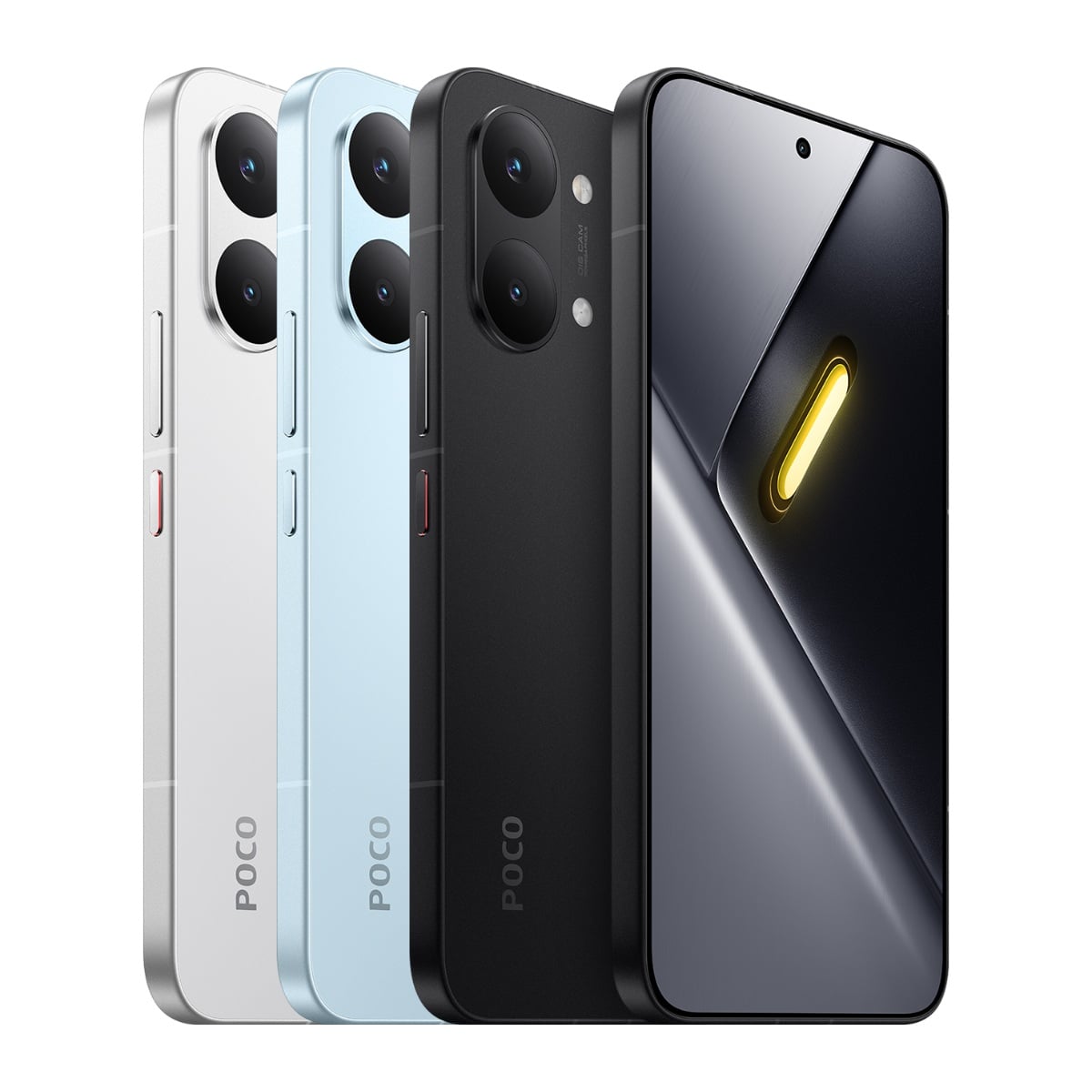
The Moto G Stylus 5G (2023) and POCO X8 Pro Max sit in the same category and end up appealing to slightly different buyers. The Moto G Stylus 5G (2023) is the cheaper of the two at $399 versus $469, a difference of about $70. The spec table below ranks 12 of their differences, and they do not all point the same way: the Moto G Stylus 5G (2023) wins on weight (202 g vs 218 g), the POCO X8 Pro Max on battery capacity (8500 mAh vs 5000 mAh) and charging (100W wired fast charging vs 20W TurboPower). The POCO X8 Pro Max is the newer of the two, released in 2026 against 2023. The pros lists below lead with — Moto G Stylus 5G (2023): Built-in stylus for note-taking and sketching; POCO X8 Pro Max: 8,500 mAh battery with 100W HyperCharge is among the largest in any phone at this price. Use the side-by-side spec table below to compare display, camera, processor and battery in detail and decide which one fits your priorities.
Who Should Buy
Buy the Moto G Stylus 5G (2023) if…
- →Built-in stylus for note-taking and sketching
- →5G connectivity at an affordable price
- →5000 mAh battery with great endurance
Buy the POCO X8 Pro Max if…
- →8,500 mAh battery with 100W HyperCharge is among the largest in any phone at this price
- →Dimensity 9500s on a 3 nm process with a Cortex-X925 prime core to 3.73 GHz
- →6.83-inch 2772 x 1280 AMOLED at 3,500 nits peak, with ultrasonic in-display fingerprint reading
Pros & Cons
Moto G Stylus 5G (2023)
Pros
- Built-in stylus for note-taking and sketching
- 5G connectivity at an affordable price
- 5000 mAh battery with great endurance
- Wi-Fi 6E support at this price
- 120Hz display for smooth scrolling
Cons
- LCD display instead of AMOLED
- Only 4 GB RAM limits multitasking
- Slow 20W charging
- IP52 is only splash resistant
- Only one OS update guaranteed
POCO X8 Pro Max
Pros
- 8,500 mAh battery with 100W HyperCharge is among the largest in any phone at this price
- Dimensity 9500s on a 3 nm process with a Cortex-X925 prime core to 3.73 GHz
- 6.83-inch 2772 x 1280 AMOLED at 3,500 nits peak, with ultrasonic in-display fingerprint reading
- Wi-Fi 7 with Multi-Link Operation and Bluetooth 6.0 with LDAC, LHDC 5.0 and Auracast
Cons
- 218 g and 6.83 inches make it a genuinely large phone to hold
- The 8 MP ultra-wide is the weak link in an otherwise flagship-tier sheet
- POCO publishes no wireless charging — the 27W reverse charging is wired only
Full Specifications
| Spec | Moto G Stylus 5G (2023) | POCO X8 Pro Max |
|---|---|---|
| Software | Android 13 | Xiaomi HyperOS 3 |
| Body | ||
| Weight | 202 g | 218 g |
| Material | Plastic body | Metal middle frame, Corning Gorilla Glass 7i |
| IP rating | IP52 | IP68 |
| Dimensions | 162.8 x 74.2 x 9.2 mm | 162.9 x 77.9 x 8.2 mm |
| Form factor | — | Bar |
| Camera | ||
| Main camera | 50 MP, f/1.8 | 50 MP Light Fusion 600, f/1.5, OIS |
| Front camera | 16 MP, f/2.4 | 20 MP |
| Macro | 2 MP, f/2.4 | — |
| Video | 1080p@60fps | 4K@30/60fps, 1080p@30/60fps |
| Ultrawide | 8 MP, f/2.2 | 8 MP |
| Memory | ||
| RAM | 4 GB | 12 GB LPDDR5X |
| Storage options | 128 GB, 256 GB | 256 GB, 512 GB |
| Battery | ||
| Capacity | 5000 mAh | 8500 mAh |
| Charging | 20W TurboPower | 100W wired fast charging |
| Wireless charging | No | — |
| Display | ||
| Size | 6.6 inches | 6.83 inches |
| Type | IPS LCD | AMOLED |
| Resolution | 2400 x 1080 | 2772 x 1280 |
| Refresh rate | 120Hz | Up to 120Hz |
| Brightness (nits) | 550 | 3500 |
| Processor | ||
| CPU | Octa-core (4x2.2 GHz + 4x1.8 GHz) | 1x Cortex-X925 up to 3.73GHz, 3x Cortex-X4 up to 3.3GHz, 4x Cortex-A720 up to 2.4GHz |
| GPU | Adreno 710 | Immortalis-G925 MC11 |
| Chipset | Qualcomm Snapdragon 6 Gen 1 | MediaTek Dimensity 9500s |
| Connectivity | ||
| 5G | ||
| NFC | ||
| USB | USB-C 2.0 | USB-C |
| Wi-Fi | Wi-Fi 6E | Wi-Fi 7 |
| Bluetooth | 5.1 | 6.0 |
Want to compare a third product?
Add another product for a 3-way comparison.
Related Comparisons
Explore more in phones, see all Motorola products or all Poco products. View full details for the Moto G Stylus 5G (2023) or the POCO X8 Pro Max.