Moto Edge 30 Pro vs AQUOS sense11

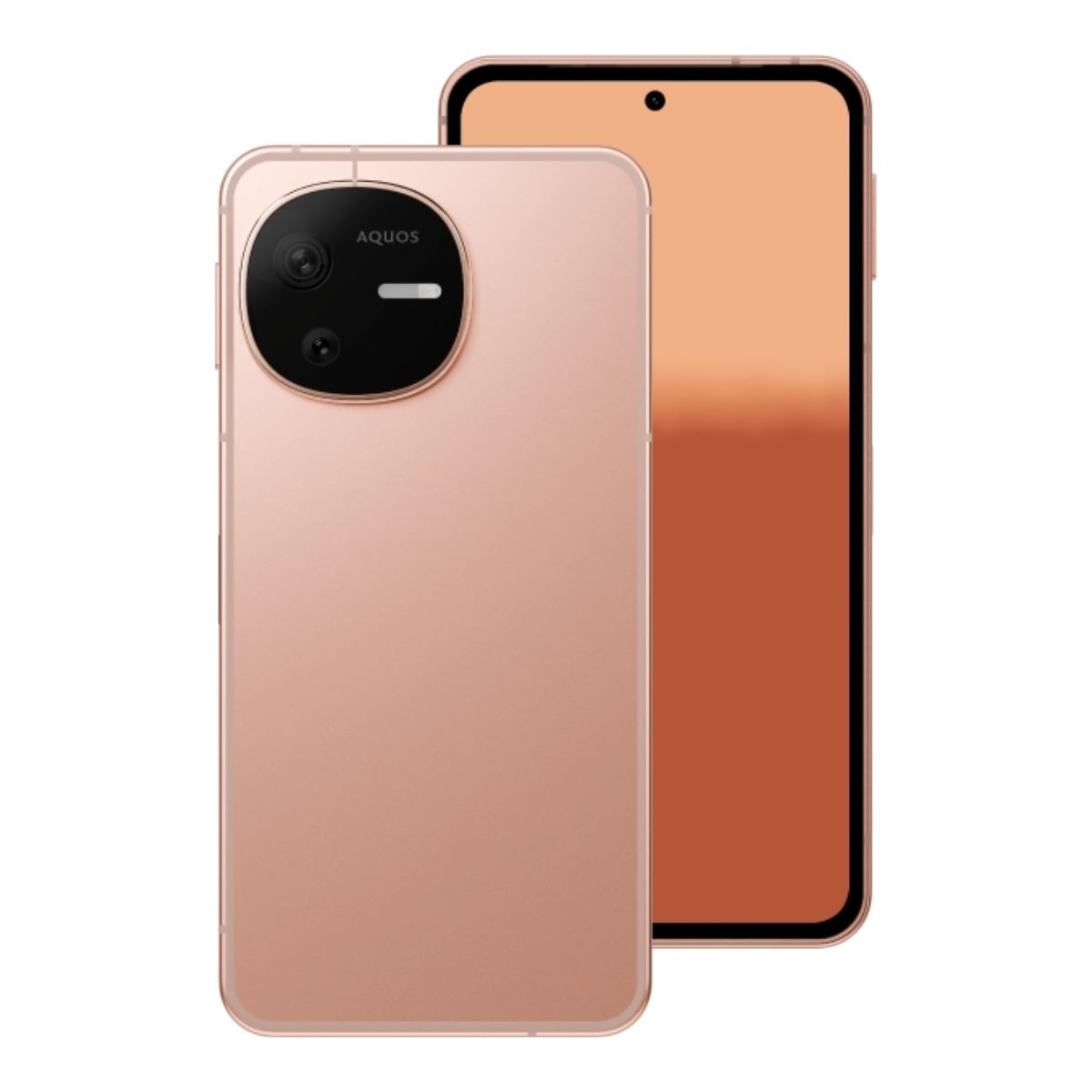
How They Compare
The Moto Edge 30 Pro and AQUOS sense11 sit in the same category and end up appealing to slightly different buyers. The AQUOS sense11 is the cheaper of the two at $631 versus $699, a difference of about $68. The spec table below ranks 7 of their differences, and they do not all point the same way: the Moto Edge 30 Pro wins on charging (68W TurboPower wired vs 36 W, about 120 minutes) and screen size (6.7 inches vs 6.2 inches), the AQUOS sense11 on battery capacity (5,000 mAh vs 4800 mAh) and peak brightness in nits (1,500 full-screen, 3,000 peak vs 1050). The AQUOS sense11 is the newer of the two, released in 2026 against 2022. The pros lists below lead with — Moto Edge 30 Pro: 144Hz P-OLED display is buttery smooth; AQUOS sense11: Bright 6.2-inch Pro IGZO OLED with up to 240 Hz. Use the side-by-side spec table below to compare display, processor, battery and memory in detail and decide which one fits your priorities.
Who Should Buy
Buy the Moto Edge 30 Pro if…
- →144Hz P-OLED display is buttery smooth
- →68W fast charging
- →60 MP selfie camera is excellent
Buy the AQUOS sense11 if…
- →Bright 6.2-inch Pro IGZO OLED with up to 240 Hz
- →Thin and light at 7.6 mm and 157 g
- →Extensive water, dust and MIL-STD-810H durability
Pros & Cons
Moto Edge 30 Pro
Pros
- 144Hz P-OLED display is buttery smooth
- 68W fast charging
- 60 MP selfie camera is excellent
- 50 MP ultrawide is high quality
- Near-stock Android experience
Cons
- 2 MP depth camera is useless
- IP52 rating is only splash-proof
- No telephoto camera
- Snapdragon 8 Gen 1 overheating
- Slow software update schedule
AQUOS sense11
Pros
- Bright 6.2-inch Pro IGZO OLED with up to 240 Hz
- Thin and light at 7.6 mm and 157 g
- Extensive water, dust and MIL-STD-810H durability
- Up to four OS updates and six years of security patches
Cons
- Snapdragon 7s Gen 3 is midrange for the price
- 36 W charging is slow next to rivals
- No telephoto camera
- Sold in Japan only
Full Specifications
| Spec | Moto Edge 30 Pro | AQUOS sense11 |
|---|---|---|
| Software | Android 12 | Android 17 (AQUOS UX 17), up to 4 OS updates and 6 years of security updates |
| Body | ||
| Weight | 196 g | 157 g |
| Material | Aluminum frame, Gorilla Glass 5 | — |
| IP rating | IP52 | — |
| Dimensions | 163.06 x 75.95 x 8.79 mm | 151 x 73 x 7.6 mm |
| Biometrics | — | Face (mask-compatible) and fingerprint |
| Water resistance | — | IPX5, IPX8, IPX9 and IP6X; MIL-STD-810H (16 tests) |
| Camera | ||
| Main camera | 50 MP, f/1.8, OIS | — |
| Depth | 2 MP, f/2.4 | — |
| Front camera | 60 MP, f/2.2 | — |
| Video | 8K@24fps, 4K@60fps | — |
| Ultrawide | 50 MP, f/2.2 | — |
| Memory | ||
| RAM | 8 GB | 8 GB or 12 GB LPDDR5X |
| Storage options | 128 GB, 256 GB | 128 GB or 256 GB UFS 3.1 |
| Expandable storage | — | microSDXC up to 2 TB |
| Battery | ||
| Capacity | 4800 mAh | 5,000 mAh |
| Charging | 68W TurboPower wired | 36 W, about 120 minutes |
| Wireless charging | 15W wireless | — |
| Display | ||
| Size | 6.7 inches | 6.2 inches |
| Type | P-OLED | Pro IGZO OLED |
| Resolution | 2400 x 1080 | 1080 x 2340 pixels (FHD+) |
| Refresh rate | 144Hz | 1 to 240 Hz variable |
| Brightness (nits) | 1050 | 1,500 full-screen, 3,000 peak |
| Processor | ||
| CPU | Octa-core (1x3.0 GHz + 3x2.5 GHz + 4x1.8 GHz) | — |
| GPU | Adreno 730 | — |
| Chipset | Qualcomm Snapdragon 8 Gen 1 | Qualcomm Snapdragon 7s Gen 3 (octa-core, up to 2.5 GHz) |
| Connectivity | ||
| 5G | Yes | |
| NFC | FeliCa | |
| USB | USB-C 3.1 | USB-C (USB 3.2 Gen 1) |
| Wi-Fi | Wi-Fi 6E | Wi-Fi 6E |
| Bluetooth | 5.2 | 5.2 |
| SIM | — | nanoSIM plus eSIM (DSDV) |
| Cameras | ||
| Main camera | — | 50.3 MP, f/1.9, 1/1.55-inch sensor, OIS, 23 mm |
| Front camera | — | 32 MP, f/2.2 |
| Ultrawide | — | 50.3 MP, f/2.2, 122 degrees, 13 mm |
Want to compare a third product?
Add another product for a 3-way comparison.
Related Comparisons
Explore more in phones, see all Motorola products or all Sharp products. View full details for the Moto Edge 30 Pro or the AQUOS sense11.