Microsoft Surface Go 3 vs Oppo Pad Air6

How They Compare
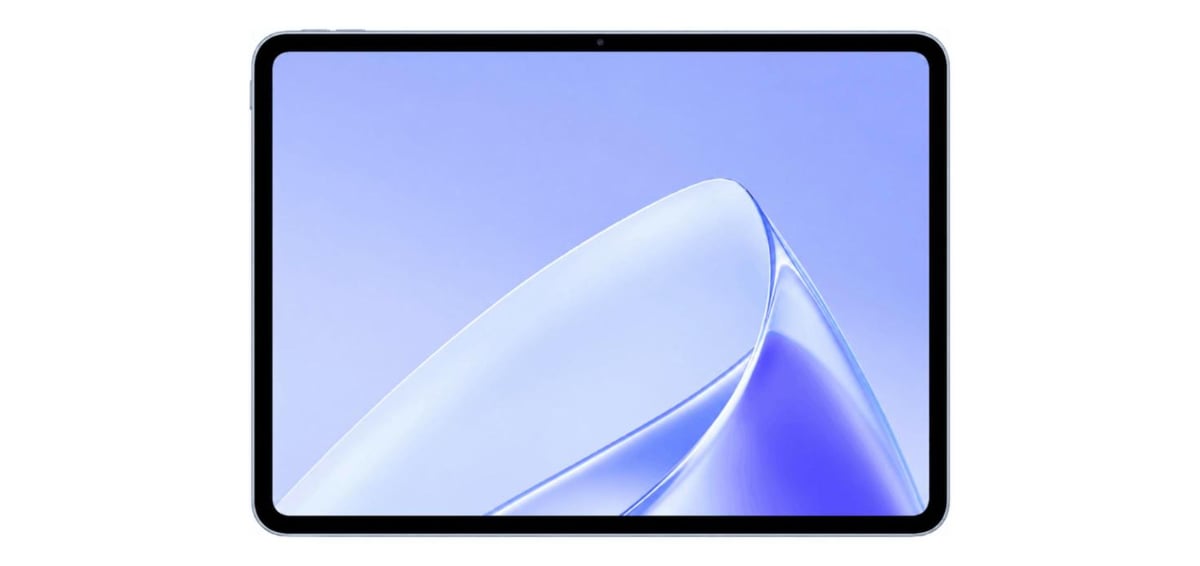
The Microsoft Surface Go 3 and Oppo Pad Air6 sit in the same category and end up appealing to slightly different buyers. The Microsoft Surface Go 3 is the cheaper of the two at $399 versus $463, a difference of about $64. The spec table below ranks 5 of their differences, and they do not all point the same way: the Microsoft Surface Go 3 wins on weight (544 g vs About 603 g), the Oppo Pad Air6 on screen size (12.1 inches vs 10.5 inches) and refresh rate (120 Hz vs 60Hz). The Oppo Pad Air6 is the newer of the two, released in 2026 against 2021. The pros lists below lead with — Microsoft Surface Go 3: Most portable Windows device at 544 g with built-in kickstand; Oppo Pad Air6: Large 12.1-inch 2.8K 120 Hz screen with an anti-glare option. Use the side-by-side spec table below to compare display, processor, battery and storage in detail and decide which one fits your priorities.
Who Should Buy
Buy the Microsoft Surface Go 3 if…
- →Most portable Windows device at 544 g with built-in kickstand
- →Full Windows 11 runs desktop apps not available on iPad or Android
- →Affordable entry into the Surface ecosystem at $399
Buy the Oppo Pad Air6 if…
- →Large 12.1-inch 2.8K 120 Hz screen with an anti-glare option
- →Thin at 6.89 mm with a 10,050 mAh battery
- →Quad speakers
Pros & Cons
Microsoft Surface Go 3
Pros
- Most portable Windows device at 544 g with built-in kickstand
- Full Windows 11 runs desktop apps not available on iPad or Android
- Affordable entry into the Surface ecosystem at $399
- LTE option for always-connected productivity
- MicroSD expansion and headphone jack included
Cons
- Pentium/i3 processors struggle with anything beyond light tasks
- 64 GB eMMC base storage is painfully slow and limited
- 10.5" screen feels cramped for Windows desktop apps
- 4 GB RAM base model is barely usable with modern Windows
- Type Cover and pen still sold separately
Oppo Pad Air6
Pros
- Large 12.1-inch 2.8K 120 Hz screen with an anti-glare option
- Thin at 6.89 mm with a 10,050 mAh battery
- Quad speakers
- Stylus support
Cons
- LCD rather than OLED
- Only 33 W charging over USB 2.0
- No fingerprint reader
- China-only at launch
Full Specifications
| Spec | Microsoft Surface Go 3 | Oppo Pad Air6 |
|---|---|---|
| Software | Windows 11 Home (S Mode) / Pro | ColorOS 17 (Android 17) |
| Body | ||
| Weight | 544 g | About 603 g |
| Dimensions | 245 x 175 x 8.3 mm | 266.01 x 192.77 x 6.89 mm |
| Colors | — | Starlight Silver, Encounter Blue |
| Biometrics | — | Face unlock (no fingerprint) |
| Form factor | — | Tablet |
| Battery | ||
| Battery life | Up to 11 hours (typical usage) | — |
| Capacity | 28 Wh | 10,050 mAh typical (9,800 mAh rated) |
| Charging | — | 33 W wired (USB-C 2.0) |
| Display | ||
| Size | 10.5 inches | 12.1 inches |
| Type | PixelSense IPS | LCD, 7:5; Soft Light anti-glare option |
| Resolution | 1920 x 1280 | 2800 x 1980 pixels (2.8K) |
| Refresh rate | 60Hz | 120 Hz |
| Color Gamut | — | 98% DCI-P3 |
| Brightness (nits) | — | 600 typical, 900 peak |
| Storage | ||
| Storage options | 64 GB eMMC, 128 GB SSD | 128 GB or 256 GB UFS 3.1 |
| Expandable storage | Not stated | |
| Processor | ||
| RAM | 4 GB / 8 GB | 8 GB or 12 GB LPDDR5X |
| Chipset | Intel Pentium Gold 6500Y / Intel Core i3-10100Y (Dual-core) | MediaTek Dimensity 7360 Super (octa-core, up to 2.5 GHz) |
| GPU | — | Arm Mali-G615 MC2 |
| Connectivity | ||
| USB | 1x USB-C | — |
| Wi-Fi | Wi-Fi 6 | Wi-Fi 6 |
| Cellular | No built-in modem; can share 5G from a nearby OPPO phone | |
| Audio | — | Quad speakers, dual microphones |
| Stylus Support | Yes, OPPO Pencil 2 (sold separately, bundled as a launch gift) | |
| Cameras | ||
| Rear | — | 8 MP |
| Front camera | — | 8 MP |
Want to compare a third product?
Add another product for a 3-way comparison.
Related Comparisons
Explore more in tablets, see all Microsoft products or all OPPO products. View full details for the Microsoft Surface Go 3 or the Oppo Pad Air6.