T-Deck Max vs Redmi K100
How They Compare
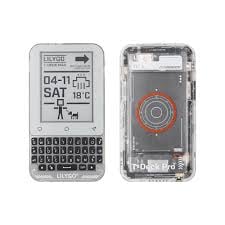
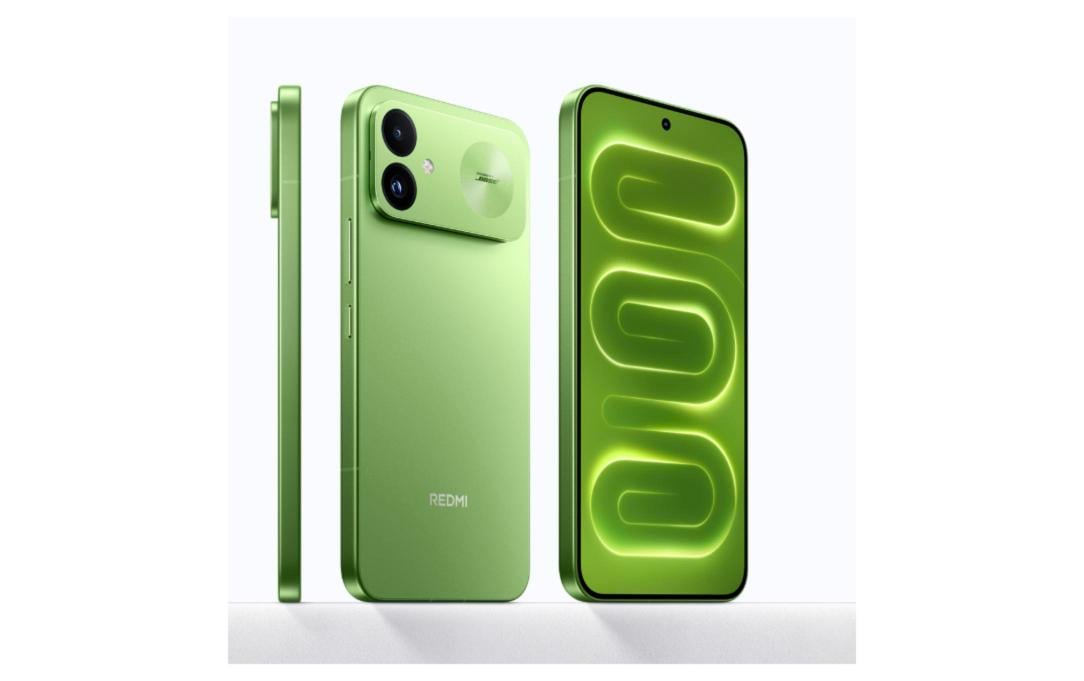
The T-Deck Max and Redmi K100 sit in the same category and end up appealing to slightly different buyers. The T-Deck Max is the cheaper of the two at $110 versus $522, a difference of about $412. The spec table below ranks 3 of their differences, and they do not all point the same way — the T-Deck Max wins 1 of them and the Redmi K100 2. The pros lists below lead with — T-Deck Max: LoRa connectivity enables off-grid, license-free long-range messaging with no monthly fees; Redmi K100: Massive 10000 mAh battery offers exceptional longevity for a flagship-class phone. Use the side-by-side spec table below to compare display, camera, processor and battery in detail and decide which one fits your priorities.
Who Should Buy
Buy the T-Deck Max if…
- →LoRa connectivity enables off-grid, license-free long-range messaging with no monthly fees
- →Physical QWERTY keyboard makes text input practical for a device this size
- →Low entry price of $110 for a GPS, LoRa, and optional 4G LTE capable handheld
Buy the Redmi K100 if…
- →Massive 10000 mAh battery offers exceptional longevity for a flagship-class phone
- →Snapdragon 8 Elite chipset delivers top-tier performance for gaming and multitasking
- →165Hz AMOLED display with 3500 nits peak brightness ensures smooth, vivid visuals even in direct sunlight
Pros & Cons
T-Deck Max
Pros
- LoRa connectivity enables off-grid, license-free long-range messaging with no monthly fees
- Physical QWERTY keyboard makes text input practical for a device this size
- Low entry price of $110 for a GPS, LoRa, and optional 4G LTE capable handheld
Cons
- 320 x 240 e-ink display is very low resolution by any modern smartphone standard
- ESP32-S3 processor and custom firmware mean no app ecosystem and significant DIY setup required
Redmi K100
Pros
- Massive 10000 mAh battery offers exceptional longevity for a flagship-class phone
- Snapdragon 8 Elite chipset delivers top-tier performance for gaming and multitasking
- 165Hz AMOLED display with 3500 nits peak brightness ensures smooth, vivid visuals even in direct sunlight
Cons
- The large battery likely adds significant weight and bulk compared to typical flagship phones
- Camera hardware appears modest for a Snapdragon 8 Elite device, with no confirmed telephoto lens
Full Specifications
| Spec | T-Deck Max | Redmi K100 |
|---|---|---|
| Software | Custom firmware; Arduino and PlatformIO compatible; no Android | HyperOS 4 (Android 15) |
| Body | ||
| Overview | Compact handheld with physical QWERTY keyboard, microphone, speaker, microSD slot | — |
| Form factor | — | Bar |
| Camera | ||
| Overview | None | — |
| Main camera | — | 50 MP |
| Front camera | — | 20 MP |
| Ultrawide | — | 8 MP |
| Memory | ||
| Overview | MicroSD card slot for storage expansion; onboard flash varies by firmware build | — |
| Expandable storage | microSD | No |
| RAM | — | 12 GB / 16 GB |
| Storage options | — | 256 GB / 512 GB |
| Battery | ||
| Overview | Not officially specified; estimated small LiPo cell given device size | — |
| Capacity | — | 10000 mAh |
| Charging | — | 90W wired |
| Display | ||
| Overview | 3.1-inch e-ink panel, 320 x 240 pixels | — |
| Size | 3.1-inch | 6.83 inches |
| Resolution | 320 x 240 | — |
| Type | — | AMOLED |
| Refresh rate | — | 165Hz |
| Brightness (nits) | — | 3500 |
| Processor | ||
| Overview | ESP32-S3 dual-core Xtensa LX7, up to 240MHz | — |
| CPU | dual-core | Octa-core (2x4.32 GHz Oryon V2 + 6x3.53 GHz Oryon V2) |
| Chipset | ESP32-S3 | Snapdragon 8 Elite |
| GPU | — | Adreno 830 |
| Connectivity | ||
| Overview | LoRa (long-range radio), GPS/GNSS, optional 4G LTE module, Wi-Fi (ESP32-S3 built-in), Bluetooth 5.0 | — |
| 5G | Yes | |
| Bluetooth | 5.0 | — |
| NFC | Not stated | |
| USB | — | USB Type-C |
Want to compare a third product?
Add another product for a 3-way comparison.
Related Comparisons
Explore more in phones, see all Lilygo products or all Xiaomi products. View full details for the T-Deck Max or the Redmi K100.