Gram 2026 laptop lineup vs Nintendo Switch OLED
The Verdict
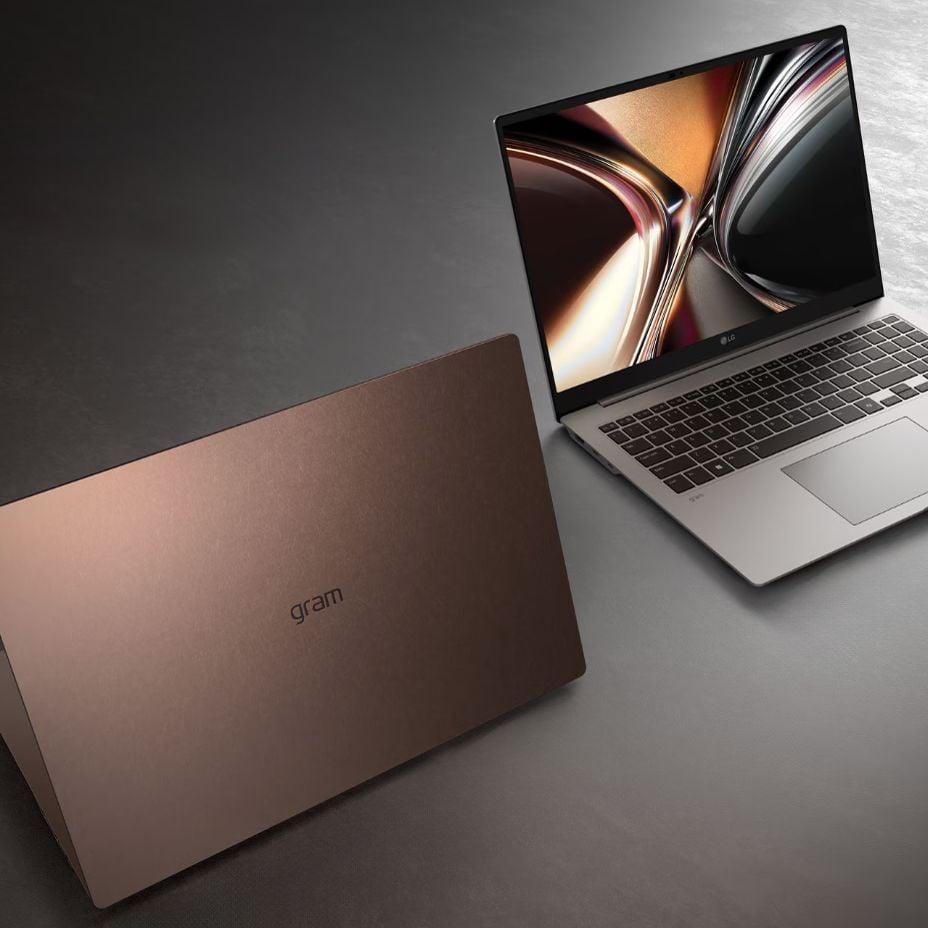
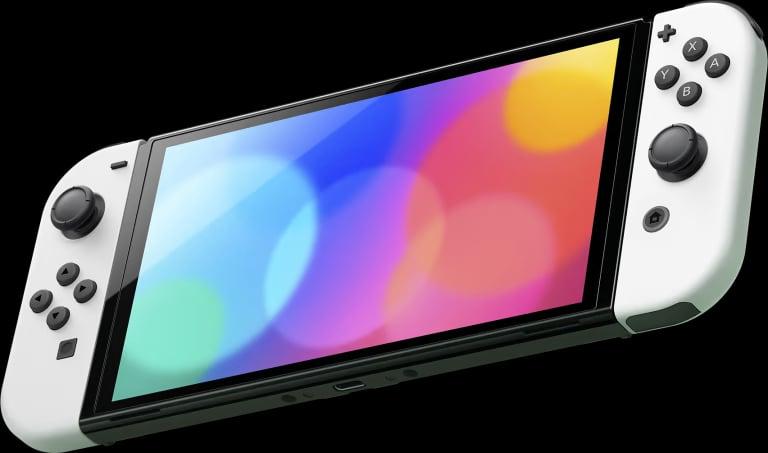
The Gram 2026 laptop lineup and Nintendo Switch OLED sit in the same category and end up appealing to slightly different buyers. The Nintendo Switch OLED is the cheaper of the two at $349 versus $1,150, a difference of about $801. The Gram 2026 laptop lineup is the newer release, which usually means a faster chipset and longer software support. Gram 2026 laptop lineup stands out for oled displays with 120hz refresh rate for smooth visuals, while Nintendo Switch OLED is praised for vibrant 7-inch oled display with deeper blacks than lcd switch. Use the side-by-side spec table below to compare cameras, displays, battery life and connectivity in detail and decide which one fits your priorities.
Who Should Buy
Buy the Gram 2026 laptop lineup if…
- →OLED displays with 120Hz refresh rate for smooth visuals
- →Exceptional battery life up to 18+ hours
- →Ultra-lightweight design starting at 0.98kg
Buy the Nintendo Switch OLED if…
- →Vibrant 7-inch OLED display with deeper blacks than LCD Switch
- →Massive Nintendo-exclusive game library including Zelda and Mario
- →Detachable Joy-Cons enable local multiplayer on one device
Pros & Cons
Gram 2026 laptop lineup
Pros
- OLED displays with 120Hz refresh rate for smooth visuals
- Exceptional battery life up to 18+ hours
- Ultra-lightweight design starting at 0.98kg
- Latest Intel Core Ultra processors with efficient performance
- Multiple size options (13.3", 14", 16")
- Premium magnesium construction
Cons
- Starting price of $1,150 limits budget-conscious buyers
- OLED displays may have burn-in concerns with static content
- Limited port selection compared to competitors
- Configuration options may lack high-end GPU choices
Nintendo Switch OLED
Pros
- Vibrant 7-inch OLED display with deeper blacks than LCD Switch
- Massive Nintendo-exclusive game library including Zelda and Mario
- Detachable Joy-Cons enable local multiplayer on one device
- Wide adjustable kickstand for stable tabletop play
- Lightweight at 420 g for portable gaming
Cons
- 720p resolution is low — noticeably soft on the 7-inch screen
- Tegra X1+ is aging — many third-party ports run poorly
- Only 64 GB internal storage — microSD required for larger libraries
- 60Hz cap and no VRR support
- Joy-Con drift remains an ongoing reliability concern
Full Specifications
| Spec | Gram 2026 laptop lineup | Nintendo Switch OLED |
|---|---|---|
| Design | ||
| Weight | 0.98kg (13.3"), 1.19kg (14"), 1.45kg (16") | — |
| Material | Magnesium alloy | — |
| Battery | ||
| Capacity | 52Wh, 63Wh | 4310 mAh |
| Claimed Life | 18+ hours | — |
| Battery life | — | 4.5-9 hours (game dependent) |
| Display | ||
| Size | 13.3 inches, 14 inches, 16 inches | 7 inches |
| Type | OLED | OLED |
| Resolution | 1920x1200, 2560x1600 | 1280 x 720 |
| Refresh rate | 120Hz | 60Hz |
| Brightness (nits) | — | 350 |
| Performance | ||
| GPU | Integrated Intel Arc | — |
| RAM | 16GB, 32GB | — |
| Storage | 512GB, 1TB SSD | — |
| Processor | Intel Core Ultra (13th gen) | — |
| Connectivity | ||
| Wi-Fi | Wi-Fi 6E | Wi-Fi 5 |
| Ports | 2x Thunderbolt 4, USB-C, 3.5mm jack | — |
| Bluetooth | Bluetooth 5.3 | 4.1 |
| Software | — | Nintendo proprietary OS |
| Body | ||
| Weight | — | 420 g (with Joy-Cons) |
| Material | — | Plastic chassis with adjustable wide kickstand |
| Dimensions | — | 242 x 102 x 13.9 mm |
| Ports | ||
| USB-C ports | — | 1 |
| Microsd | — | |
| Headphone Jack | — | |
| Memory | ||
| Storage options | — | 64 GB internal (microSD expandable) |
| Processor | ||
| RAM | — | 4 GB LPDDR4 |
| Cores | — | 4+4 CPU cores, 256 CUDA core GPU |
| Chipset | — | NVIDIA Custom Tegra X1+ (ARM Cortex-A57 quad-core + 4x A53) |
Want to compare a third product?
Add another product for a 3-way comparison.
Related Comparisons
Explore more in laptops, see all LG products or all Nintendo products. View full details for the Gram 2026 laptop lineup or the Nintendo Switch OLED.