LG Gram 17 (2024) vs Samsung Galaxy Book5 Pro
The Verdict
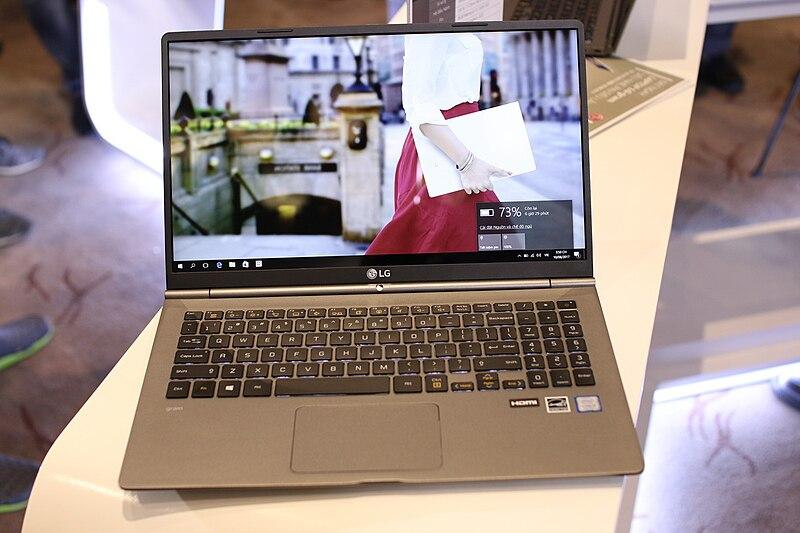
LG Gram 17 excels as a productivity powerhouse with its expansive 17-inch WQXGA display, superior portability at 1.35kg, and Intel Core Ultra 7 155H with 16 cores delivering robust multitasking performance. Samsung Galaxy Book5 Pro counters with a more compact 16-inch Dynamic AMOLED display offering 120Hz refresh rate and exceptional 500-nit brightness, plus marginally longer 18-hour battery life and lower price ($1449 vs $1599). The Gram 17 includes three USB-A ports and SD card slot, providing better legacy connectivity; Galaxy Book5 Pro relies solely on USB-C expansion. For spreadsheet-heavy work and screen real estate, the LG dominates, while Samsung appeals to creatives valuing display quality and portability. Choose LG Gram 17 if you need maximum screen space and connectivity; select Galaxy Book5 Pro for superior display technology at a lower price point.
Who Should Buy
Buy the LG Gram 17 (2024) if…
- →Remarkably light for a 17-inch laptop at just 1.35 kg
- →Up to 17-hour battery life is class-leading at this size
- →MIL-STD-810H certified for everyday durability
Buy the Samsung Galaxy Book5 Pro if…
- →Stunning 120Hz AMOLED display is the best screen on any Windows ultrabook
- →18-hour battery life matches MacBook Air endurance
- →Incredibly thin at 0.47 inches and light at 3.44 lbs
Category Scores
Pros & Cons
LG Gram 17 (2024)
Pros
- Remarkably light for a 17-inch laptop at just 1.35 kg
- Up to 17-hour battery life is class-leading at this size
- MIL-STD-810H certified for everyday durability
- Generous port selection including USB-A and full-size SD card
- Large 2560x1600 display ideal for productivity
Cons
- 350-nit display brightness is modest in bright environments
- IPS display lacks the vibrancy of OLED alternatives
- No discrete GPU option
- 60Hz refresh rate feels dated compared to 90–120Hz peers
- Thin chassis can flex under pressure
Samsung Galaxy Book5 Pro
Pros
- Stunning 120Hz AMOLED display is the best screen on any Windows ultrabook
- 18-hour battery life matches MacBook Air endurance
- Incredibly thin at 0.47 inches and light at 3.44 lbs
- Galaxy ecosystem integration with Samsung phones and tablets
- HDMI and SD card slot included despite the thin chassis
Cons
- Intel Core Ultra 7 265V is efficient but not a performance powerhouse
- No discrete GPU for gaming or heavy creative work
- 512 GB base storage is tight at this price
- AMOLED panel can drain battery faster at high brightness
Full Specifications
| Spec | LG Gram 17 (2024) | Samsung Galaxy Book5 Pro |
|---|---|---|
| Software | Windows 11 Home | Windows 11 Home |
| Body | ||
| Weight | 1.35 kg | 3.44 lbs (1.56 kg) |
| Material | Magnesium alloy (Nano skin finish) | Aluminum |
| Dimensions | 381.3 x 261.5 x 13.0 mm | 14.04 x 9.86 x 0.47 inches |
| Ports | ||
| HDMI | 1 | |
| USB-A ports | 3 | — |
| USB-C ports | 1 | 2 |
| SD card | ||
| Thunderbolt ports | 2 | 2 |
| Battery | ||
| Battery life | Up to 17 hours mixed use | Up to 18 hours |
| Capacity | 90 Wh | 76 Wh |
| Display | ||
| Size | 17.0 inches | 16 inches |
| Type | WQXGA IPS anti-glare | Dynamic AMOLED 2X |
| Resolution | 2560 x 1600 | 2880 x 1800 |
| Refresh rate | 60Hz | 120Hz |
| Brightness (nits) | 350 | 500 |
| Storage | ||
| SSD | 512 GB NVMe | 512 GB PCIe Gen 4 NVMe |
| Expandable storage | ||
| Keyboard | ||
| Backlit | ||
| Touch Bar | — | |
| Processor | ||
| RAM | 16 GB LPDDR5x | 16 GB LPDDR5X |
| Cores | 16-core (6P+8E+2LPE) | 8 cores (4P + 4E) |
| Chipset | Intel Core Ultra 7 155H | Intel Core Ultra 7 265V |
Related Comparisons
This comparison is based on verified manufacturer specifications covering display, performance, camera, battery, and build quality. Scores are generated by analyzing specs across weighted categories on a 10-point scale. Learn more about our methodology.
Explore more in laptops, see all LG products or all Samsung products. View full details for the LG Gram 17 (2024) or the Samsung Galaxy Book5 Pro.