Lenovo Xiaoxin 10.1 Color Ink Soft Light Edition vs Xiaomi Pad 9 Pro Max

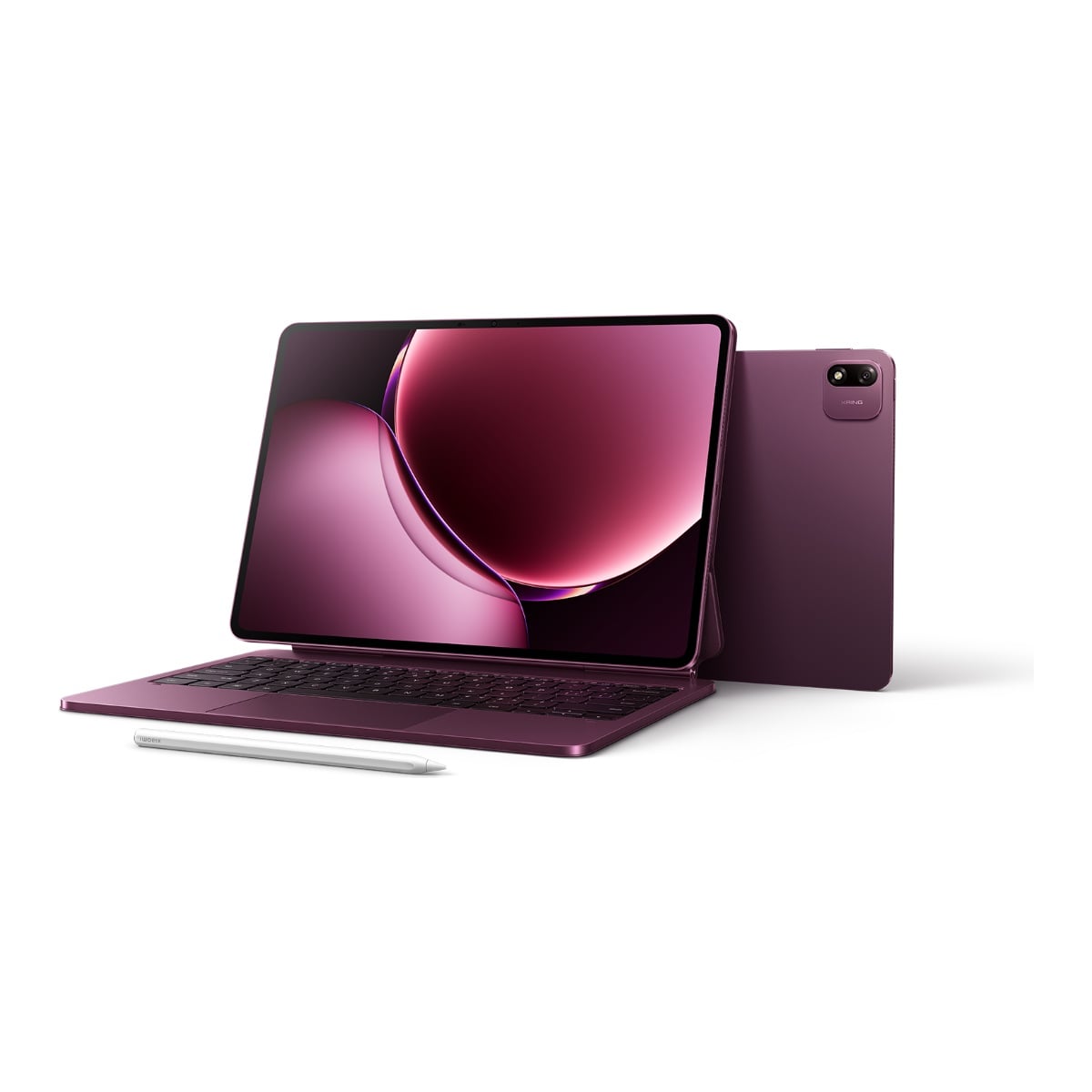
How They Compare
The Lenovo Xiaoxin 10.1 Color Ink Soft Light Edition and Xiaomi Pad 9 Pro Max sit in the same category, and on the specifications this page can rank they do not come out level. The Lenovo Xiaoxin 10.1 Color Ink Soft Light Edition is the cheaper of the two at $239 versus $715, a difference of about $476. The spec table below ranks 7 of their differences, and every one of them goes to the Xiaomi Pad 9 Pro Max — including battery capacity (12000 mAh vs 7,060 mAh) and screen size (13.3-inch vs 10.1 inches). The pros lists below lead with — Lenovo Xiaoxin 10.1 Color Ink Soft Light Edition: 2,136 × 1,280 anti-glare LCD reaches 500 nits brightness, reducing reflections for outdoor use; Xiaomi Pad 9 Pro Max: 13.3-inch 3.4K 144Hz panel in a 3:2 aspect suited to work. Use the side-by-side spec table below to compare display, cameras, processor and battery in detail and decide which one fits your priorities.
Who Should Buy
Buy the Lenovo Xiaoxin 10.1 Color Ink Soft Light Edition if…
- →2,136 × 1,280 anti-glare LCD reaches 500 nits brightness, reducing reflections for outdoor use
- →120Hz refresh rate delivers smooth scrolling and responsive stylus input at this price tier
- →7,060 mAh battery offers substantial capacity for all-day use on a 10.1-inch device
Buy the Xiaomi Pad 9 Pro Max if…
- →13.3-inch 3.4K 144Hz panel in a 3:2 aspect suited to work
- →12,000 mAh battery with 120W charging
- →DP-in over USB-C lets it act as an external monitor
Pros & Cons
Lenovo Xiaoxin 10.1 Color Ink Soft Light Edition
Pros
- 2,136 × 1,280 anti-glare LCD reaches 500 nits brightness, reducing reflections for outdoor use
- 120Hz refresh rate delivers smooth scrolling and responsive stylus input at this price tier
- 7,060 mAh battery offers substantial capacity for all-day use on a 10.1-inch device
Cons
- MediaTek Helio G300 is an entry-level chipset that will struggle with demanding apps and multitasking
- USB-C port is capped at 480 Mbps (USB 2.0 speeds), limiting file transfer and display output potential
Xiaomi Pad 9 Pro Max
Pros
- 13.3-inch 3.4K 144Hz panel in a 3:2 aspect suited to work
- 12,000 mAh battery with 120W charging
- DP-in over USB-C lets it act as an external monitor
- Xiaomi in-house Xring O3 with a 16-core GPU
Cons
- China-only at launch with no confirmed global pricing
- 645g is heavy to hold for long stretches
- 1,000 nits trails the brightest tablets in this class
- Android tablet software still lags iPadOS for large-screen apps
Full Specifications
| Spec | Lenovo Xiaoxin 10.1 Color Ink Soft Light Edition | Xiaomi Pad 9 Pro Max |
|---|---|---|
| Software | Android | HyperOS 4 |
| Body | ||
| Form factor | Tablet | — |
| Colors | — | Burgundy, Black, Silver |
| Weight | — | 645g |
| Battery | ||
| Capacity | 7,060 mAh | 12000 mAh |
| Charging | — | 120W wired |
| Cameras | ||
| Rear | 8MP | 50MP |
| Front camera | 5MP | 32MP |
| Display | ||
| Overview | — | 13.3-inch 3.4K, 3:2 aspect |
| Size | 10.1 inches | 13.3-inch |
| Type | LCD | — |
| Resolution | 2,136 × 1,280 pixels (2.1K) | 3408 x 2272 |
| Refresh rate | 120Hz | 144Hz |
| Brightness (nits) | 500 | 1000 nits |
| Storage | ||
| Storage options | 128GB | 256GB, 512GB, 1TB |
| Expandable storage | Yes, via microSD card | — |
| Processor | ||
| RAM | 6GB or 8GB | — |
| Chipset | MediaTek Helio G300 | Xiaomi Xring O3, 10-core, up to 4.35GHz |
| GPU | — | G2-Ultra NX (16-core) |
| Connectivity | ||
| USB | USB-C (up to 480 Mbps data transfer) | full-function USB-C with DP-in video input |
| Wi-Fi | — | Wi-Fi 7 |
| Stylus Support | Yes | — |
| Speakers | — | 8 speakers with Dolby Atmos |
| Thickness | — | 5.67mm |
| RAM Options | — | 8GB, 12GB, 16GB |
| Color Accuracy | — | Delta E approx 0.47 |
Want to compare a third product?
Add another product for a 3-way comparison.
Related Comparisons
Explore more in tablets, see all Lenovo products or all Xiaomi products. View full details for the Lenovo Xiaoxin 10.1 Color Ink Soft Light Edition or the Xiaomi Pad 9 Pro Max.