INFOBAR ZERO vs Xiaomi 18 Fold
How They Compare
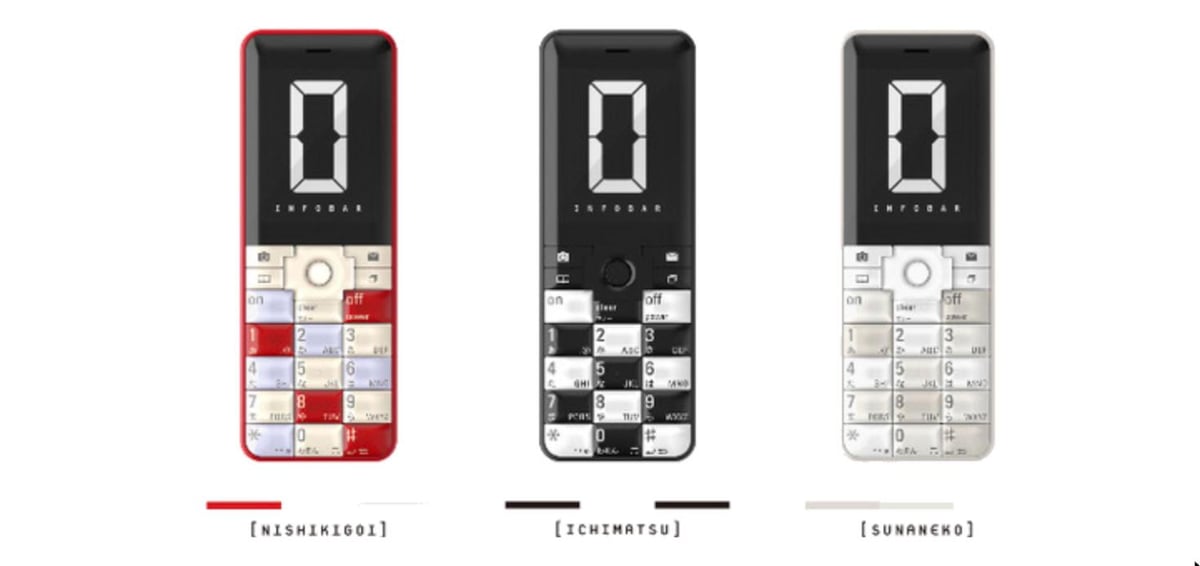
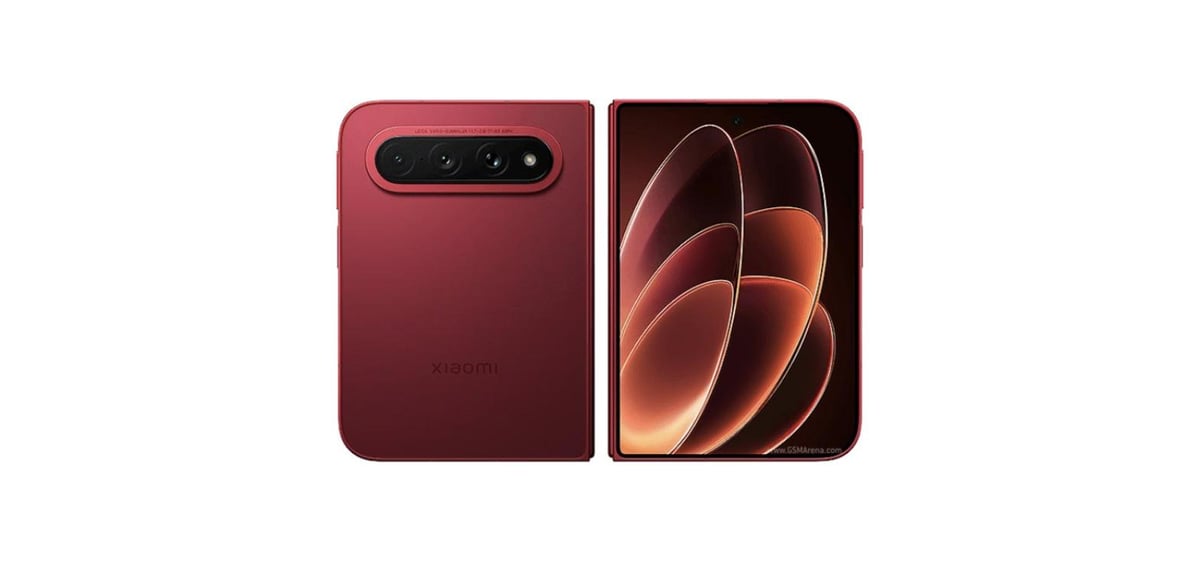
The INFOBAR ZERO and Xiaomi 18 Fold sit in the same category and end up appealing to slightly different buyers. The INFOBAR ZERO is the cheaper of the two at $219 versus $1,549, a difference of about $1,330. The spec table below ranks 6 of their differences, and they do not all point the same way: the INFOBAR ZERO wins on weight (128 g vs 219 g), the Xiaomi 18 Fold on battery capacity (6000 mAh vs 2,055 mAh) and screen size (7.58 inches (inner) vs 2.4 inches). The pros lists below lead with — INFOBAR ZERO: Iconic Naoto Fukasawa INFOBAR design in three colours; Xiaomi 18 Fold: Unusually thin and light for a large foldable. Use the side-by-side spec table below to compare display, camera, processor and battery in detail and decide which one fits your priorities.
Who Should Buy
Buy the INFOBAR ZERO if…
- →Iconic Naoto Fukasawa INFOBAR design in three colours
- →Long standby from the 2,055 mAh battery
- →USB-C charging, Bluetooth and Wi-Fi on a distraction-free phone
Buy the Xiaomi 18 Fold if…
- →Unusually thin and light for a large foldable
- →Wide 2:1 inner screen is more usable than tall book folds
- →Leica 200MP main camera with a periscope zoom
Pros & Cons
INFOBAR ZERO
Pros
- Iconic Naoto Fukasawa INFOBAR design in three colours
- Long standby from the 2,055 mAh battery
- USB-C charging, Bluetooth and Wi-Fi on a distraction-free phone
- Sold SIM-free and works with au, povo2.0 and second-number plans
Cons
- No web browser or apps by design
- No water or dust resistance
- 2 MP camera and small 2.4-inch screen
- Expensive for a feature phone
Xiaomi 18 Fold
Pros
- Unusually thin and light for a large foldable
- Wide 2:1 inner screen is more usable than tall book folds
- Leica 200MP main camera with a periscope zoom
- Xiaomi's own XRING O3 silicon
- Both panels hit 120Hz and around 4,000 nits
Cons
- Sold only in China with no global launch announced
- 67W wired charging trails Xiaomi's own bar phones
- Expensive
- No confirmed IP rating published at launch
Full Specifications
| Spec | INFOBAR ZERO | Xiaomi 18 Fold |
|---|---|---|
| Software | Proprietary feature phone software (no apps, no web browser) | Xiaomi HyperOS 4 |
| Body | ||
| Overview | — | 219 g, 5.02 mm unfolded, 10.68 mm folded, dual-layer UTG |
| Colors | NISHIKIGOI, ICHIMATSU, SUNANEKO | — |
| Weight | 128 g | 219 g |
| Designer | Naoto Fukasawa (au Design project) | — |
| Dimensions | 138 x 50 x 13.0 mm | — |
| Form factor | Candybar feature phone | — |
| Water resistance | Not water or dust resistant | — |
| Camera | ||
| Main camera | 2 MP | 200MP Leica, 1/1.56-inch, f/1.7 |
| Front camera | — | 16MP f/2.2 |
| Video | — | 4K at 60fps, 8K at 24fps |
| Telephoto | — | 50MP periscope, 3.5x optical, OIS |
| Ultrawide | — | 50MP f/2.4 |
| Memory | ||
| RAM | 1 GB | 12 GB or 16 GB LPDDR5X, LPDDR6 on the 1 TB model |
| Storage options | 8 GB | 256 GB UFS 4.1, 512 GB UFS 4.1, 1 TB UFS 4.1 |
| Battery | ||
| Overview | — | 6000 mAh with 20 percent silicon anode |
| Standby | About 240 hours (4G LTE) | — |
| Capacity | 2,055 mAh | 6000 mAh |
| Charging | USB-C | 67W wired, 50W wireless |
| Talk Time | About 360 minutes (VoLTE) | — |
| Display | ||
| Size | 2.4 inches | 7.58 inches (inner) |
| Type | TFT | flexible AMOLED |
| Resolution | 480 x 640 pixels (VGA) | 2364 x 1672 |
| Refresh rate | — | 120Hz |
| Brightness (nits) | — | 4000 nits peak |
| Features | Calls, SMS, camera, contacts, calendar, alarm, music player, calculator | — |
| Processor | ||
| Chipset | MediaTek MT8765WA | Xiaomi XRING O3, 10-core CPU, 16-core GPU |
| Connectivity | ||
| NFC | No (no FeliCa) | — |
| USB | USB-C | — |
| Wi-Fi | Wi-Fi 4 (802.11 b/g/n, 2.4 GHz) | — |
| Network | 4G LTE (calls, SMS); no 5G | — |
| Bluetooth | 4.2 | — |
| Cover Display | — | 5.38-inch AMOLED, 1712 x 1168, 120Hz, Longjing Glass 3.0 |
Want to compare a third product?
Add another product for a 3-way comparison.
Related Comparisons
Explore more in phones, see all KDDI products or all Xiaomi products. View full details for the INFOBAR ZERO or the Xiaomi 18 Fold.