JVC HA-A4T vs Sony MDR-3R
How They Compare
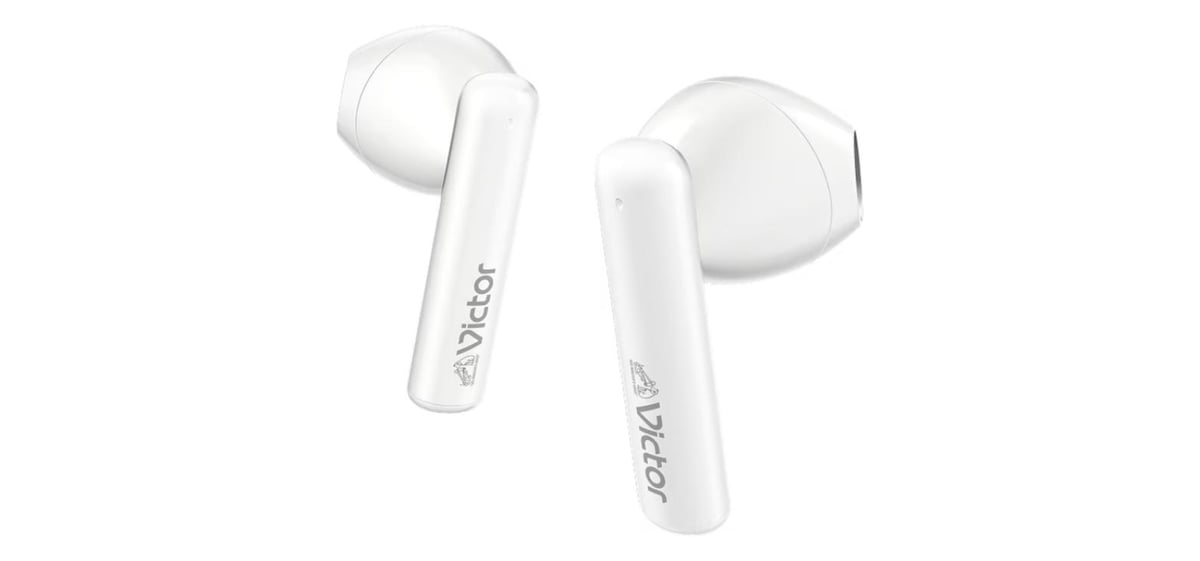
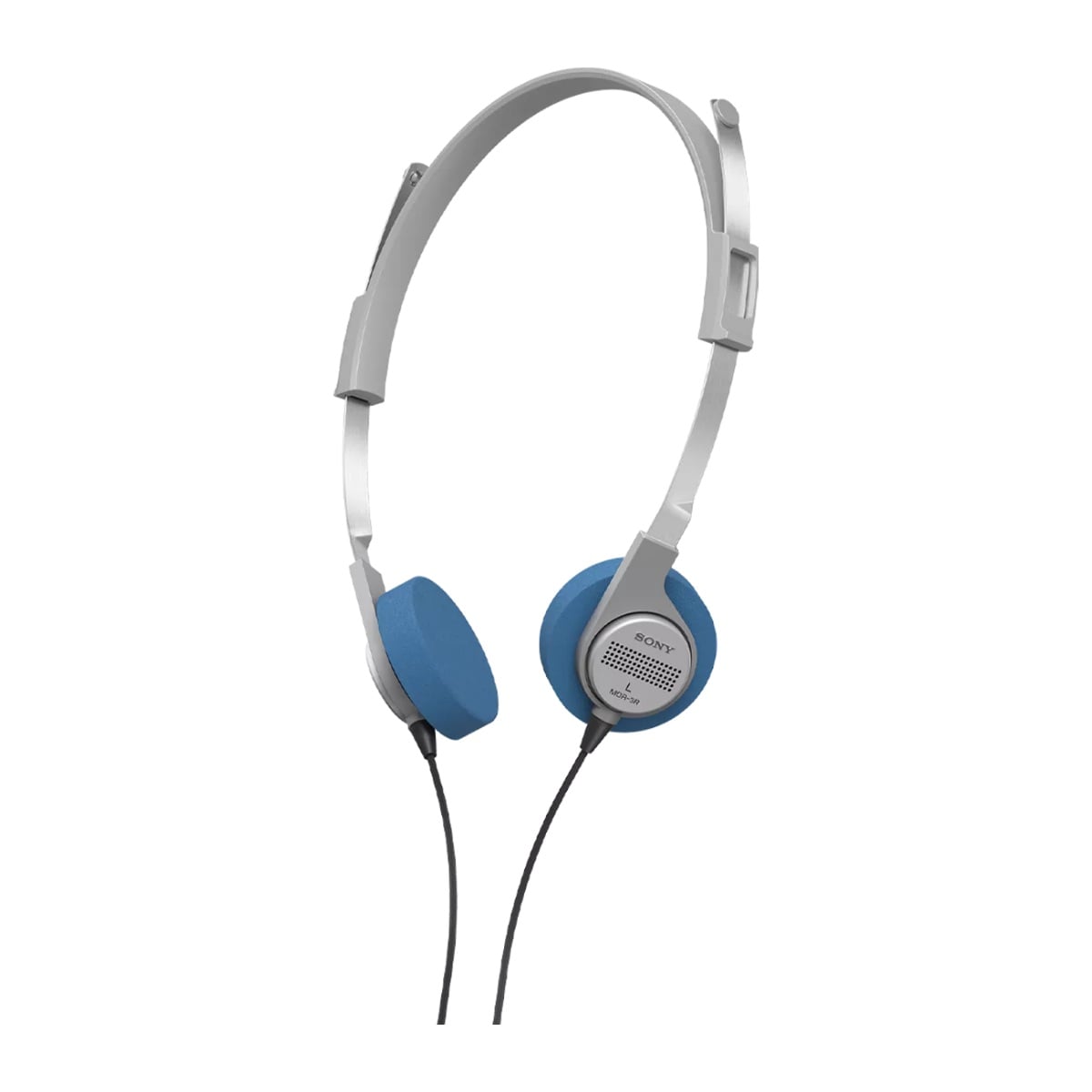
The JVC HA-A4T and Sony MDR-3R sit in the same category, and this page sets their published specifications side by side. Both launched at roughly the same price ($30 vs $60), so cost is unlikely to be the deciding factor. The pros lists below lead with — JVC HA-A4T: 30 hours total playback is strong for the price; Sony MDR-3R: USB-C connectivity is more universal and convenient than older 3.5mm-only or proprietary wired standards. Use the side-by-side spec table below to compare battery and connectivity in detail and decide which one fits your priorities.
Who Should Buy
Buy the JVC HA-A4T if…
- →30 hours total playback is strong for the price
- →Open fit shape avoids the plugged ear feeling of sealed tips
- →Three switchable sound modes on the earbud itself
Buy the Sony MDR-3R if…
- →USB-C connectivity is more universal and convenient than older 3.5mm-only or proprietary wired standards
- →Built-in microphone and volume knob add hands-free and playback control without extra hardware
- →Retro-inspired design aesthetic stands out in a market crowded with generic-looking wired headphones
Pros & Cons
JVC HA-A4T
Pros
- 30 hours total playback is strong for the price
- Open fit shape avoids the plugged ear feeling of sealed tips
- Three switchable sound modes on the earbud itself
- Bluetooth 5.4 and a 10 minute quick charge
- Very light at about 4g per earbud
Cons
- SBC is the only codec, with no AAC, aptX or LDAC
- No active noise cancelling and little passive isolation
- IPX4 only, so no dust rating and limited sweat protection
- No wireless charging and no companion app EQ
Sony MDR-3R
Pros
- USB-C connectivity is more universal and convenient than older 3.5mm-only or proprietary wired standards
- Built-in microphone and volume knob add hands-free and playback control without extra hardware
- Retro-inspired design aesthetic stands out in a market crowded with generic-looking wired headphones
Cons
- No active noise cancellation at a $60 price point where some competitors offer basic ANC
- Wired-only with no Bluetooth option limits use with devices that lack a USB-C audio output
Full Specifications
| Spec | JVC HA-A4T | Sony MDR-3R |
|---|---|---|
| Body | ||
| Case Weight | Approx. 29.8 g | — |
| Type | True wireless, open-fit semi in-ear | over-ear headphones |
| Colors | White, black, blue, purple | — |
| Weight | 4 g per earbud | — |
| Battery | ||
| Battery life | Max. 7.5 hours | — |
| Charging | About 2 hours for a full charge, about 3 hours for the charging case | — |
| Total with case | Max. 30 hrs | — |
| Present | Not stated | |
| Drivers | 12 mm dynamic with neodymium magnet | — |
| Controls | Touch sensor, auto power on/off, auto connect, single-earbud mode | — |
| Microphone | Built in for calls and voice assistant | — |
| Sound Modes | FLAT, BASS, CLEAR | — |
| Connectivity | ||
| Codecs | SBC | — |
| Bluetooth | 5.4 | — |
| Bluetooth notes | Class 1, about 10 m range | — |
| Wired option | — | USB-C |
| Water Resistance | IPX4, earbuds only | — |
| Active Noise Cancelling | — | none |
| Features | — | built-in microphone, volume knob |
Want to compare a third product?
Add another product for a 3-way comparison.
Related Comparisons
Explore more in headphones, see all JVC Kenwood products or all Sony products. View full details for the JVC HA-A4T or the Sony MDR-3R.