Jabra Elite 10 vs Sony MDR-3R

How They Compare
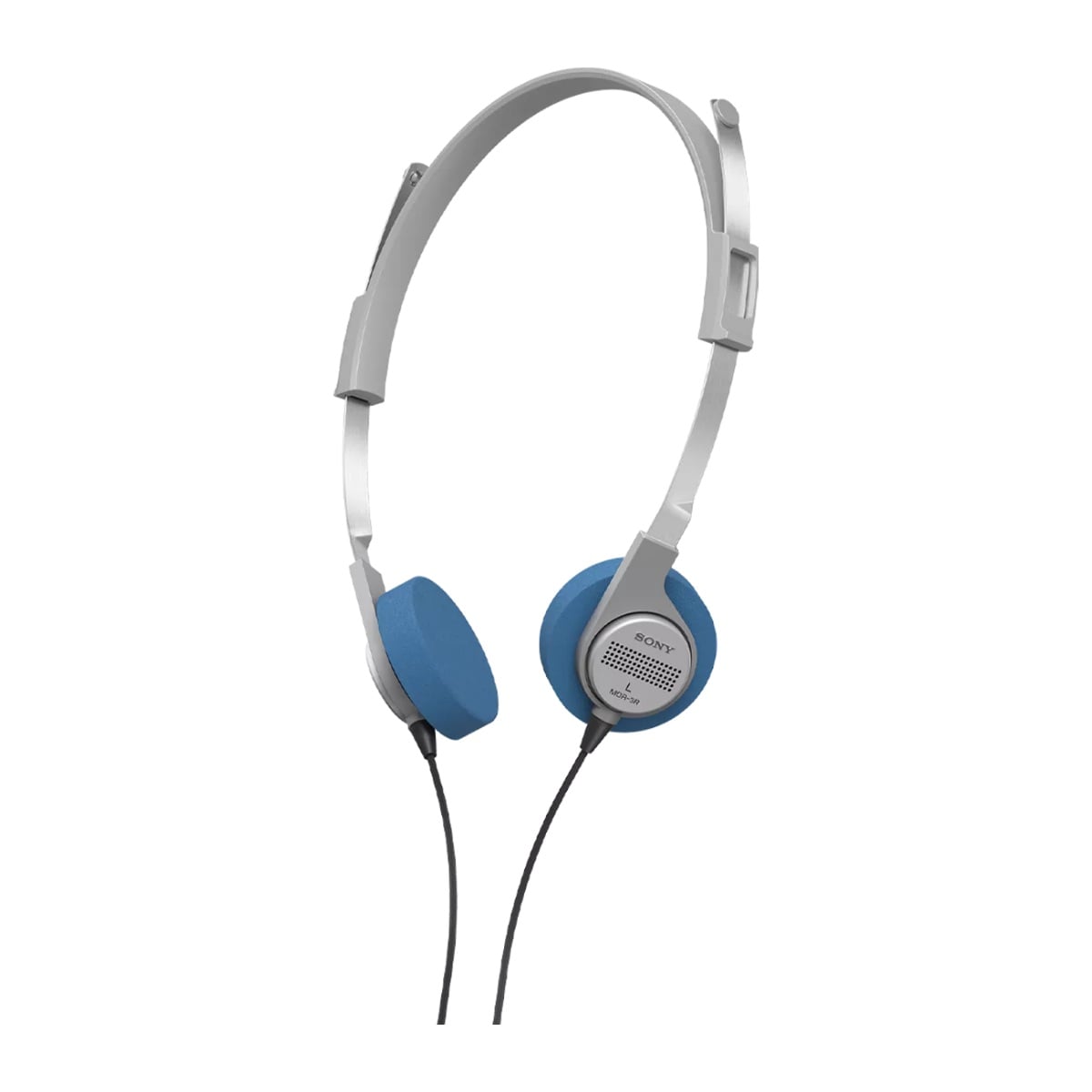
The Jabra Elite 10 and Sony MDR-3R sit in the same category, and on the specifications this page can rank they do not come out level. The Sony MDR-3R is the cheaper of the two at $60 versus $250, a difference of about $190. The spec table below ranks one of their differences, and every one of them goes to the Sony MDR-3R. The Sony MDR-3R is the newer of the two, released in 2026 against 2023. The pros lists below lead with — Jabra Elite 10: Exceptionally comfortable semi-open ComfortFit design; Sony MDR-3R: USB-C connectivity is more universal and convenient than older 3.5mm-only or proprietary wired standards. Use the side-by-side spec table below to compare active noise cancelling, battery and connectivity in detail and decide which one fits your priorities.
Who Should Buy
Buy the Jabra Elite 10 if…
- →Exceptionally comfortable semi-open ComfortFit design
- →Dolby Atmos with head tracking on supported content
- →Bluetooth multipoint and future-ready LE Audio
Buy the Sony MDR-3R if…
- →USB-C connectivity is more universal and convenient than older 3.5mm-only or proprietary wired standards
- →Built-in microphone and volume knob add hands-free and playback control without extra hardware
- →Retro-inspired design aesthetic stands out in a market crowded with generic-looking wired headphones
Pros & Cons
Jabra Elite 10
Pros
- Exceptionally comfortable semi-open ComfortFit design
- Dolby Atmos with head tracking on supported content
- Bluetooth multipoint and future-ready LE Audio
- Strong call quality with 6-mic system
- IP57 dust and water resistance
Cons
- ANC is solid but not on the level of Bose or Sony
- Semi-open fit leaks more sound than fully sealed buds
- No aptX or LDAC hi-res codec support
- Case is larger than competitors
Sony MDR-3R
Pros
- USB-C connectivity is more universal and convenient than older 3.5mm-only or proprietary wired standards
- Built-in microphone and volume knob add hands-free and playback control without extra hardware
- Retro-inspired design aesthetic stands out in a market crowded with generic-looking wired headphones
Cons
- No active noise cancellation at a $60 price point where some competitors offer basic ANC
- Wired-only with no Bluetooth option limits use with devices that lack a USB-C audio output
Full Specifications
| Spec | Jabra Elite 10 | Sony MDR-3R |
|---|---|---|
| Active Noise Cancelling | none | |
| Type | in-ear | over-ear headphones |
| Weight | 5.7 g (per bud) | — |
| Battery | ||
| Battery life | Up to 6 hrs buds (ANC on) / Up to 8 hrs (ANC off) | — |
| Charging | USB-C, Qi wireless | — |
| Total with case | Up to 27 hrs | — |
| Present | Not stated | |
| Drivers | 10 mm dynamic driver | — |
| Features | Dolby Atmos with head tracking, Advanced Adaptive Hybrid ANC, ComfortFit semi-open design, Bluetooth LE Audio with Auracast (via update), Bluetooth multipoint, 6-mic call technology | built-in microphone, volume knob |
| Connectivity | ||
| Wired option | USB-C | |
| Codecs | LE Audio LC3, AAC, SBC | — |
| Bluetooth | 5.3 | — |
| Multipoint | Not stated | |
| Water Resistance | IP57 (buds) | — |
Want to compare a third product?
Add another product for a 3-way comparison.
Related Comparisons
Explore more in headphones, see all Jabra products or all Sony products. View full details for the Jabra Elite 10 or the Sony MDR-3R.