HyperX Cloud Alpha Air vs Sony MDR-3R
How They Compare
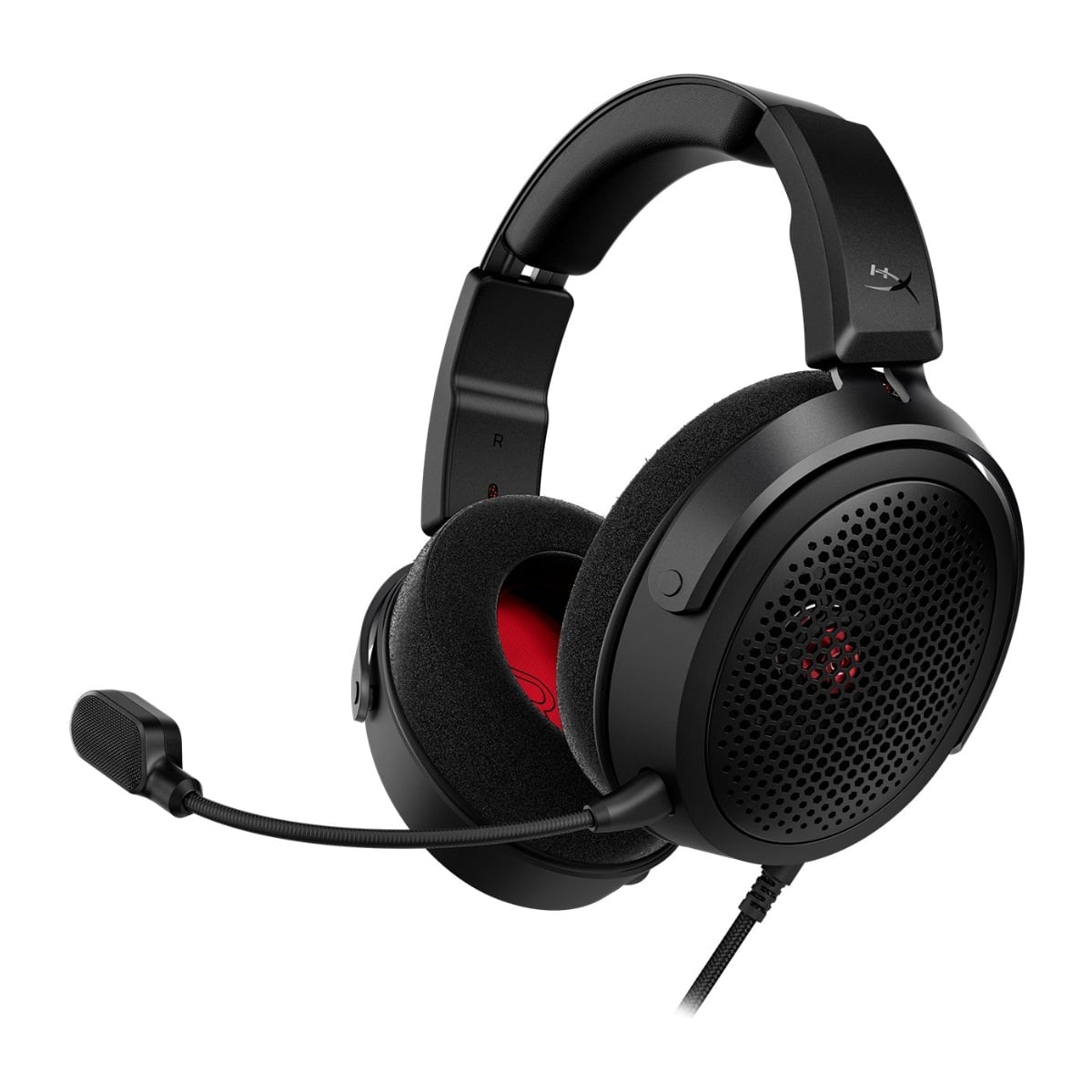
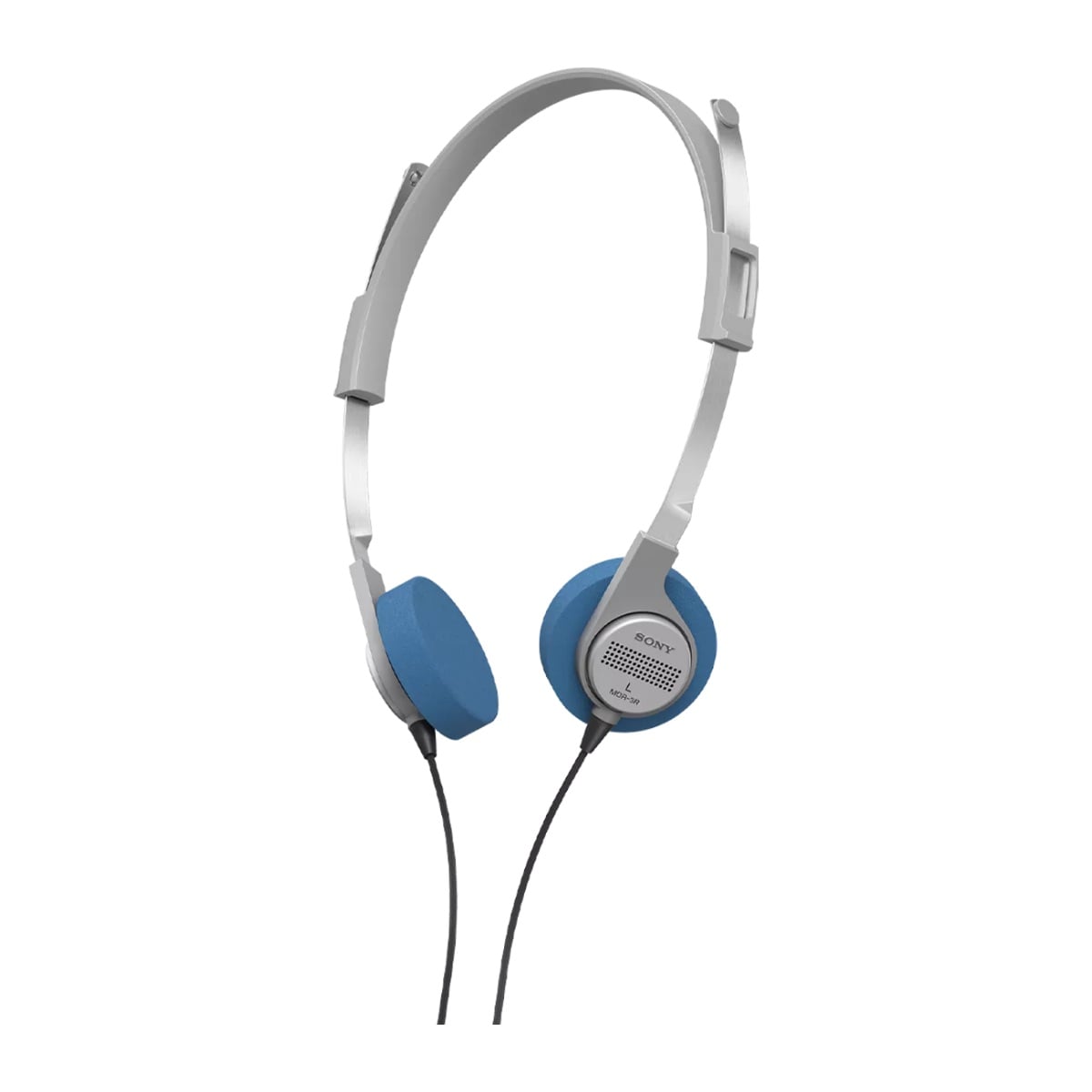
The HyperX Cloud Alpha Air and Sony MDR-3R sit in the same category, and this page sets their published specifications side by side. The Sony MDR-3R is the cheaper of the two at $60 versus $150, a difference of about $90. The pros lists below lead with — HyperX Cloud Alpha Air: First open back HyperX with Bass Tube venting to preserve the low end; Sony MDR-3R: USB-C connectivity is more universal and convenient than older 3.5mm-only or proprietary wired standards. Use the side-by-side spec table below to see how their published specifications differ and decide which one fits your priorities.
Who Should Buy
Buy the HyperX Cloud Alpha Air if…
- →First open back HyperX with Bass Tube venting to preserve the low end
- →Full official spec sheet including THD and sensitivity
- →Detachable unidirectional mic plus 3.5mm and USB-C dongle options
Buy the Sony MDR-3R if…
- →USB-C connectivity is more universal and convenient than older 3.5mm-only or proprietary wired standards
- →Built-in microphone and volume knob add hands-free and playback control without extra hardware
- →Retro-inspired design aesthetic stands out in a market crowded with generic-looking wired headphones
Pros & Cons
HyperX Cloud Alpha Air
Pros
- First open back HyperX with Bass Tube venting to preserve the low end
- Full official spec sheet including THD and sensitivity
- Detachable unidirectional mic plus 3.5mm and USB-C dongle options
- Steel frame, memory foam and ultrasuede pads, two year warranty
- Broad platform support including Xbox Series X and S
Cons
- Wired only, with no wireless or active noise cancelling at any tier
- Open back design leaks sound both ways, poor for shared rooms
- Priced against wireless rivals at the same money
- Stock was still listed as coming soon on HyperX's own store
Sony MDR-3R
Pros
- USB-C connectivity is more universal and convenient than older 3.5mm-only or proprietary wired standards
- Built-in microphone and volume knob add hands-free and playback control without extra hardware
- Retro-inspired design aesthetic stands out in a market crowded with generic-looking wired headphones
Cons
- No active noise cancellation at a $60 price point where some competitors offer basic ANC
- Wired-only with no Bluetooth option limits use with devices that lack a USB-C audio output
Full Specifications
| Spec | HyperX Cloud Alpha Air | Sony MDR-3R |
|---|---|---|
| Thd | 2 percent or less | — |
| Type | Over-ear, open-back | over-ear headphones |
| Launch | Announced 20 August 2026, retail September 2026, two year warranty | — |
| Weight | 0.60 lb headset, 0.026 lb boom microphone | — |
| Drivers | 40 mm dynamic with neodymium magnets | — |
| Software | HyperX NGENUITY with EQ presets and custom EQ | — |
| Microphone | Detachable 10 mm electret condenser, unidirectional, -42 dBV | — |
| Sensitivity | 97 dB SPL/mW at 1 kHz | — |
| Audio Format | 16-bit and 24-bit, USB 1.1 full speed | — |
| Bass Feature | HyperX Bass Tube vented chamber | — |
| Connectivity | ||
| Overview | Wired 3.5mm, USB-C dongle, USB-A adapter | — |
| Wired option | USB-C | |
| Compatibility | PC, Mac, PlayStation, Xbox Series X and S | — |
| Frame And Pads | Steel frame, memory foam with ultrasuede | — |
| Frequency Response | 20 Hz to 20 kHz | — |
| Active Noise Cancelling | — | none |
| Battery | ||
| Present | Not stated | |
| Features | — | built-in microphone, volume knob |
Want to compare a third product?
Add another product for a 3-way comparison.
Related Comparisons
Explore more in headphones, see all HyperX products or all Sony products. View full details for the HyperX Cloud Alpha Air or the Sony MDR-3R.