Huion Kamvas Pad 12 vs Xiaomi Pad 9 Pro Max
How They Compare
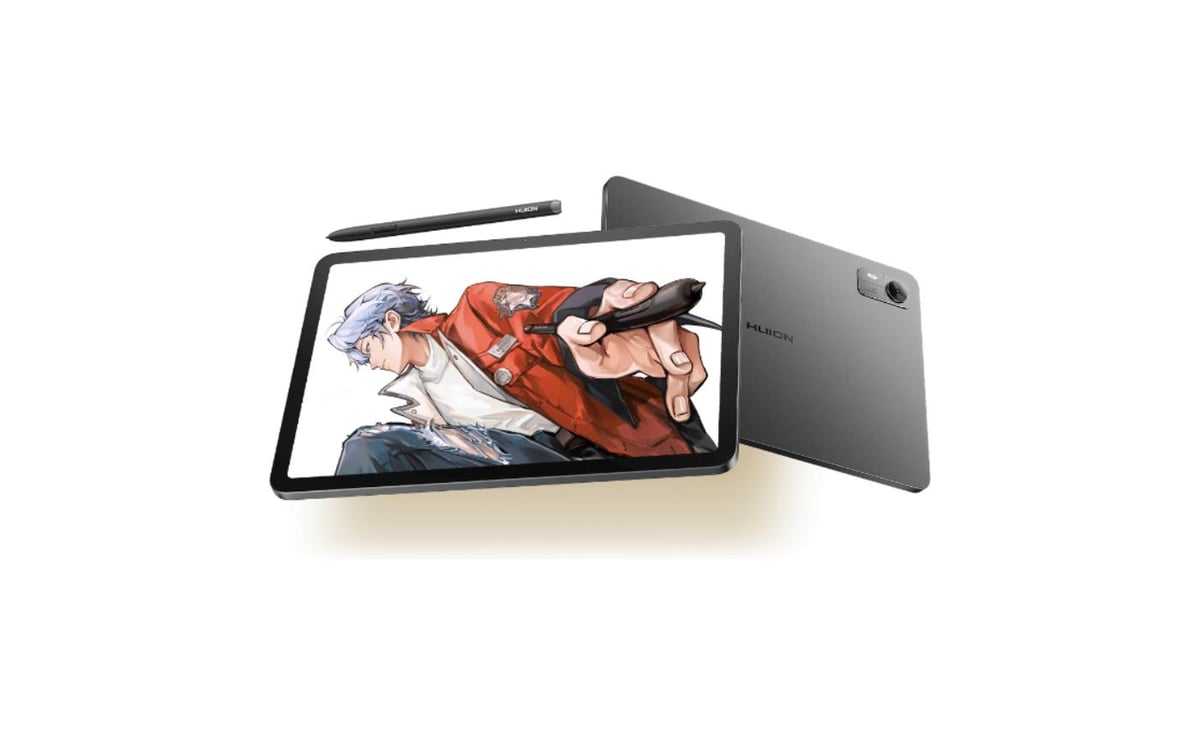
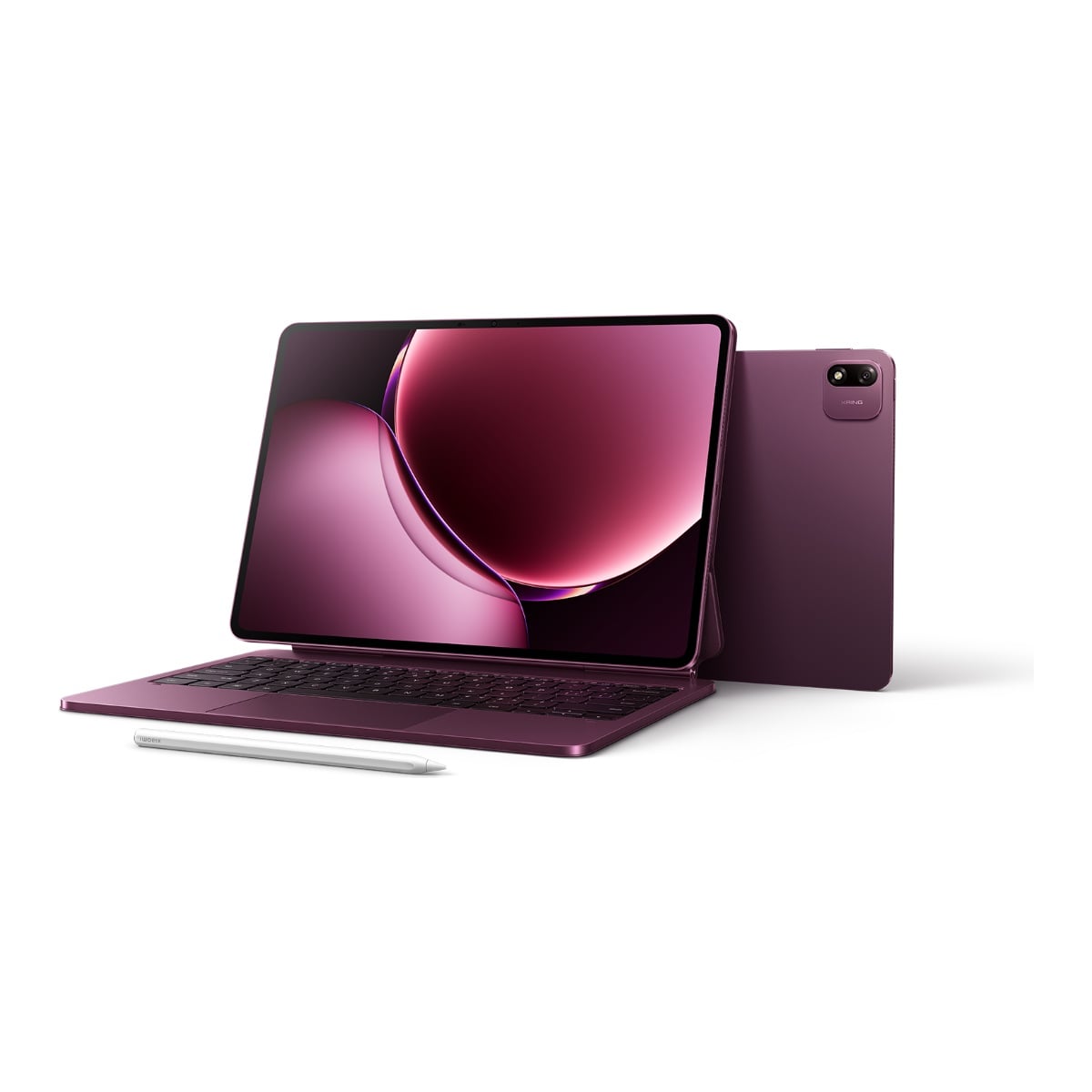
The Huion Kamvas Pad 12 and Xiaomi Pad 9 Pro Max sit in the same category, and on the specifications this page can rank they do not come out level. The Huion Kamvas Pad 12 is the cheaper of the two at $499 versus $715, a difference of about $216. The spec table below ranks 9 of their differences, and every one of them goes to the Xiaomi Pad 9 Pro Max — including battery capacity (12000 mAh vs 8000 mAh) and screen size (13.3-inch vs 12.2-inch). The pros lists below lead with — Huion Kamvas Pad 12: Standalone Android tablet, no host computer needed for drawing; Xiaomi Pad 9 Pro Max: 13.3-inch 3.4K 144Hz panel in a 3:2 aspect suited to work. Use the side-by-side spec table below to compare display, cameras, processor and battery in detail and decide which one fits your priorities.
Who Should Buy
Buy the Huion Kamvas Pad 12 if…
- →Standalone Android tablet, no host computer needed for drawing
- →16,384 pressure levels with a battery-free EMR pen
- →99% sRGB on a laminated 3:2 panel suited to art work
Buy the Xiaomi Pad 9 Pro Max if…
- →13.3-inch 3.4K 144Hz panel in a 3:2 aspect suited to work
- →12,000 mAh battery with 120W charging
- →DP-in over USB-C lets it act as an external monitor
Pros & Cons
Huion Kamvas Pad 12
Pros
- Standalone Android tablet, no host computer needed for drawing
- 16,384 pressure levels with a battery-free EMR pen
- 99% sRGB on a laminated 3:2 panel suited to art work
- microSD expansion and a 8,000 mAh battery
Cons
- 350 nits peak is dim for outdoor or bright-room use
- MediaTek Genio 720 is weak next to mainstream tablet silicon
- 665g is heavy to hold while drawing
- Android art app support is thinner than iPadOS
Xiaomi Pad 9 Pro Max
Pros
- 13.3-inch 3.4K 144Hz panel in a 3:2 aspect suited to work
- 12,000 mAh battery with 120W charging
- DP-in over USB-C lets it act as an external monitor
- Xiaomi in-house Xring O3 with a 16-core GPU
Cons
- China-only at launch with no confirmed global pricing
- 645g is heavy to hold for long stretches
- 1,000 nits trails the brightest tablets in this class
- Android tablet software still lags iPadOS for large-screen apps
Full Specifications
| Spec | Huion Kamvas Pad 12 | Xiaomi Pad 9 Pro Max |
|---|---|---|
| Software | Android 16 | HyperOS 4 |
| Body | ||
| Weight | 665g | 645g |
| Dimensions | 281.5 x 195.5 x 7.8 mm | — |
| Colors | — | Burgundy, Black, Silver |
| Tilt | 60 degrees | — |
| Stylus | PW600C, PenTech 4.0, battery-free EMR | — |
| Battery | ||
| Capacity | 8000 mAh | 12000 mAh |
| Charging | — | 120W wired |
| Cameras | ||
| Rear | 13MP | 50MP |
| Front camera | 8MP | 32MP |
| Display | ||
| Overview | 12.2-inch laminated LCD, 2400 x 1600, 3:2 | 13.3-inch 3.4K, 3:2 aspect |
| Size | 12.2-inch | 13.3-inch |
| Type | LCD | — |
| Resolution | 2400 x 1600 | 3408 x 2272 |
| Refresh rate | 90Hz | 144Hz |
| Brightness (nits) | 350 nits | 1000 nits |
| Storage | ||
| Storage options | 256GB | 256GB, 512GB, 1TB |
| Speakers | quad speakers | 8 speakers with Dolby Atmos |
| Processor | ||
| RAM | 8GB | — |
| Chipset | MediaTek Genio 720 (6nm) | Xiaomi Xring O3, 10-core, up to 4.35GHz |
| GPU | — | G2-Ultra NX (16-core) |
| Color Gamut | 99% sRGB | — |
| Report Rate | 260 PPS | — |
| Connectivity | ||
| Bluetooth | 5.4 | — |
| USB | — | full-function USB-C with DP-in video input |
| Wi-Fi | — | Wi-Fi 7 |
| Pen Resolution | 5800 LPI | — |
| Pressure Levels | 16384 | — |
| Expandable Storage | microSD | — |
| Thickness | — | 5.67mm |
| RAM Options | — | 8GB, 12GB, 16GB |
| Color Accuracy | — | Delta E approx 0.47 |
Want to compare a third product?
Add another product for a 3-way comparison.
Related Comparisons
Explore more in tablets, see all Huion products or all Xiaomi products. View full details for the Huion Kamvas Pad 12 or the Xiaomi Pad 9 Pro Max.