Huawei MatePad 11" (2023) vs Xiaomi Pad 7 Pro
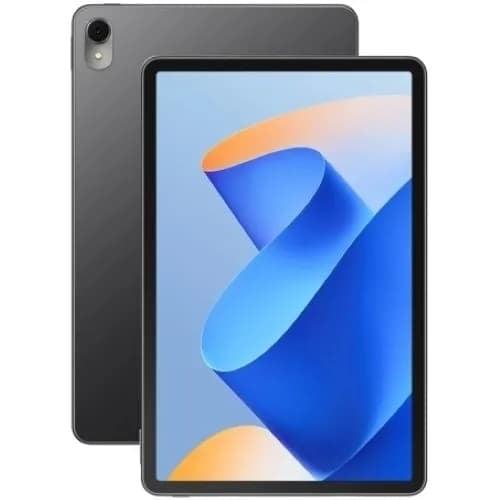
The Quick Answer
Both tablets deliver excellent value at $399, but they serve different priorities. Xiaomi Pad 7 Pro edges ahead with a newer Snapdragon 8s Gen 3 processor versus Huawei's 865, offering noticeably faster performance for demanding apps and games.
The Verdict
Both tablets deliver excellent value at $399, but they serve different priorities. Xiaomi Pad 7 Pro edges ahead with a newer Snapdragon 8s Gen 3 processor versus Huawei's 865, offering noticeably faster performance for demanding apps and games. The display is sharper at 3200 x 2136 resolution compared to 2560 x 1600, though Huawei matches the 12-hour battery life with a smaller 7250 mAh cell, while Xiaomi's 8850 mAh provides more headroom. Xiaomi also includes Wi-Fi 7 and USB-C 3.2 for future-proofing, whereas Huawei uses the older Wi-Fi 6 standard. However, the Huawei MatePad is slightly lighter at 449g and thinner at 6.85mm, making it more portable. Both support styluses and offer 120Hz+ refresh rates. The critical factor is ecosystem: Huawei runs HarmonyOS 3.1 with limited Google services outside China, potentially frustrating international users. Xiaomi runs full Android 14 with complete app access. For most buyers outside China, Xiaomi Pad 7 Pro is the stronger choice due to superior specs and unrestricted software. Huawei appeals only if you prefer its lighter build or are already invested in its ecosystem.
Who Should Buy
Buy the Huawei MatePad 11" (2023) if…
- →120Hz QHD+ display provides sharp, smooth visuals
- →M-Pencil support for drawing and note-taking
- →Lightweight at 449 g for comfortable handheld use
Buy the Xiaomi Pad 7 Pro if…
- →Snapdragon 8s Gen 3 chip delivers strong performance for the price
- →144Hz 3.2K display is excellent for media and gaming
- →Aggressive $399 pricing undercuts iPad Air significantly
Category Scores
Pros & Cons
Huawei MatePad 11" (2023)
Pros
- 120Hz QHD+ display provides sharp, smooth visuals
- M-Pencil support for drawing and note-taking
- Lightweight at 449 g for comfortable handheld use
- Quad speakers with Harman Kardon tuning
- Decent performance from Snapdragon 865
Cons
- No Google Play Store — relies on Huawei AppGallery
- HarmonyOS app ecosystem is limited outside China
- No cellular option
- IPS LCD lacks AMOLED contrast
- After-sales support is limited in many Western markets
Xiaomi Pad 7 Pro
Pros
- Snapdragon 8s Gen 3 chip delivers strong performance for the price
- 144Hz 3.2K display is excellent for media and gaming
- Aggressive $399 pricing undercuts iPad Air significantly
- Xiaomi Focus Pen support for note-taking and drawing
- Wi-Fi 7 and USB-C 3.2 for fast connectivity
Cons
- HyperOS tablet optimization is behind Samsung's One UI
- No OLED or mini-LED display
- Limited global availability outside China
- No cellular option for on-the-go connectivity
Full Specifications
| Spec | Huawei MatePad 11" (2023) | Xiaomi Pad 7 Pro |
|---|---|---|
| Software | HarmonyOS 3.1 | Android 14 (HyperOS) |
| Body | ||
| Weight | 449 g | 500 g |
| Dimensions | 253.8 x 165.3 x 6.85 mm | 253.6 x 166.5 x 6.4 mm |
| Battery | ||
| Battery life | Up to 12 hours | Up to 12 hours video playback |
| Capacity | 7250 mAh | 8850 mAh |
| Display | ||
| Size | 11 inches | 11.2 inches |
| Type | IPS LCD | IPS LCD |
| Resolution | 2560 x 1600 | 3200 x 2136 |
| Refresh rate | 120Hz | 144Hz |
| Storage | ||
| Storage options | 128 GB, 256 GB | 128 GB, 256 GB |
| Expandable storage | ||
| Processor | ||
| RAM | 6 GB / 8 GB | 8 GB |
| Chipset | Qualcomm Snapdragon 865 | Qualcomm Snapdragon 8s Gen 3 |
| Connectivity | ||
| USB | USB-C 3.0 | USB-C 3.2 |
| Wi-Fi | Wi-Fi 6 | Wi-Fi 7 |
| Cellular | ||
| Stylus Support | ||
| Cameras | ||
| Rear | — | 13 MP wide |
| Front camera | — | 8 MP wide |
Want to compare a third product?
Add another product for a 3-way comparison.
Related Comparisons
Explore more in tablets, see all Huawei products or all Xiaomi products. View full details for the Huawei MatePad 11" (2023) or the Xiaomi Pad 7 Pro.