Hisense U6SF 75" (Mini-LED QLED) vs Sony X90L 65"
How They Compare
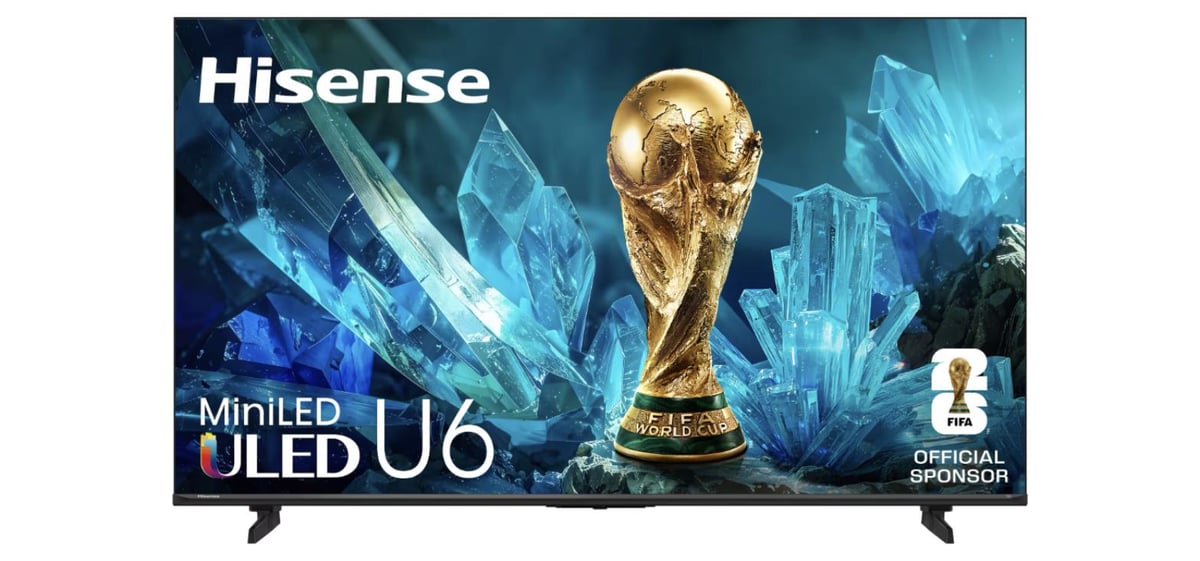
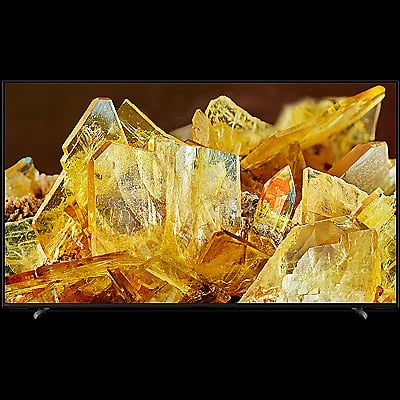
The Hisense U6SF 75" (Mini-LED QLED) and Sony X90L 65" sit in the same category, and on the specifications this page can rank they do not come out level. Both launched at roughly the same price ($1,100 vs $1,099), so cost is unlikely to be the deciding factor. The spec table below ranks one of their differences, and every one of them goes to the Hisense U6SF 75" (Mini-LED QLED) — including screen size (75-inch vs 65"). The Hisense U6SF 75" (Mini-LED QLED) is the newer of the two, released in 2026 against 2023. The pros lists below lead with — Hisense U6SF 75" (Mini-LED QLED): 75-inch Mini-LED with native 144Hz at around $1,100 list; Sony X90L 65": Sony's Cognitive Processor XR delivers best-in-class upscaling and color. Use the side-by-side spec table below to compare display, audio and smart tv in detail and decide which one fits your priorities.
Who Should Buy
Buy the Hisense U6SF 75" (Mini-LED QLED) if…
- →75-inch Mini-LED with native 144Hz at around $1,100 list
- →Largest size in the standard U6 line
- →Dolby Vision, HDR10+ and Dolby Atmos
Buy the Sony X90L 65" if…
- →Sony's Cognitive Processor XR delivers best-in-class upscaling and color
- →Full-array local dimming produces excellent contrast for an LED TV
- →Dolby Vision and Dolby Atmos support for premium content
Pros & Cons
Hisense U6SF 75" (Mini-LED QLED)
Pros
- 75-inch Mini-LED with native 144Hz at around $1,100 list
- Largest size in the standard U6 line
- Dolby Vision, HDR10+ and Dolby Atmos
- Often discounted several hundred below list
Cons
- Fire TV platform pushes Amazon content hard
- ATSC 1.0 tuner only
- Uniformity and blooming are harder to control at this size
- Step up to U7 or U8 for meaningfully higher brightness
Sony X90L 65"
Pros
- Sony's Cognitive Processor XR delivers best-in-class upscaling and color
- Full-array local dimming produces excellent contrast for an LED TV
- Dolby Vision and Dolby Atmos support for premium content
- 120Hz with VRR makes it genuinely good for PS5 gaming
- Google TV has the widest app selection of any smart TV platform
Cons
- Blooming visible in dark scenes with bright highlights
- 20W speakers are average despite the Acoustic Multi-Audio branding
- Heavier than competing LED TVs at 48.5 lbs
- Google TV can feel sluggish and ad-heavy on the home screen
Full Specifications
| Spec | Hisense U6SF 75" (Mini-LED QLED) | Sony X90L 65" |
|---|---|---|
| Audio | ||
| Dolby Atmos | ||
| Output (watts) | — | 20 |
| Speakers | — | 2.0ch Acoustic Multi-Audio |
| Display | ||
| HDR | Dolby Vision, HDR10+, HDR10, HLG | Dolby Vision, HDR10, HLG |
| Size | 75-inch | 65" |
| Type | Mini-LED QLED with full array local dimming | Full Array LED |
| Motion | AI Smooth Motion, Motion Rate 480 | — |
| Resolution | 4K 2160p | 3840 x 2160 (4K UHD) |
| Refresh rate | native 144Hz | 120Hz (native) |
| Brightness (nits) | — | 1300 |
| Smart TV | ||
| OS | Amazon Fire TV | Google TV |
| Apple Support | AirPlay 2, Apple Home | — |
| Voice assistant | Alexa | Google Assistant, Alexa, Apple AirPlay 2 |
| Body | ||
| VESA mount | — | 300 x 300mm |
| Weight | — | 48.5 lbs |
| Dimensions (w/ stand) | — | 57.3 x 35.6 x 11.4 inches |
| Gaming | ||
| VRR (Variable Refresh Rate) | Not stated | |
| ALLM | Not stated | |
| Input lag (ms) | — | 8 |
| Processor | ||
| Chipset | — | Cognitive Processor XR |
| Connectivity | ||
| Wi-Fi | — | Wi-Fi 5 (802.11ac) |
| Ethernet | Not stated | |
| Bluetooth | — | 5.0 |
| USB ports | — | 2 |
| HDMI ports | — | 4 |
Want to compare a third product?
Add another product for a 3-way comparison.
Related Comparisons
Explore more in tvs, see all Hisense products or all Sony products. View full details for the Hisense U6SF 75" (Mini-LED QLED) or the Sony X90L 65".