Hisense U6SF 75" (Mini-LED QLED) vs Samsung S95C 65" (4K QD-OLED)

How They Compare
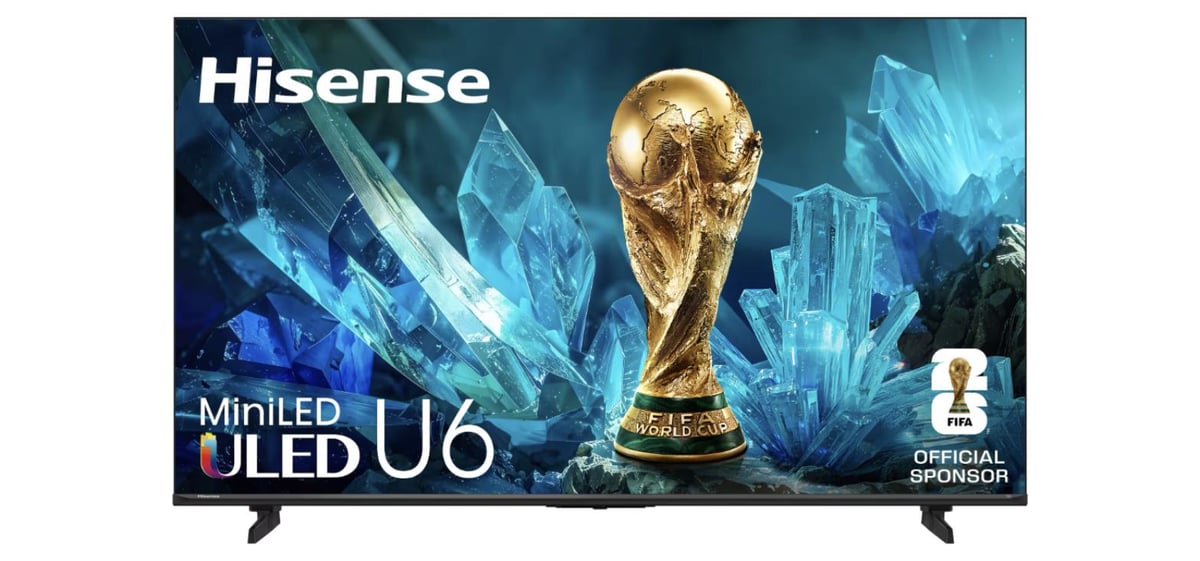
The Hisense U6SF 75" (Mini-LED QLED) and Samsung S95C 65" (4K QD-OLED) sit in the same category, and on the specifications this page can rank they do not come out level. The Hisense U6SF 75" (Mini-LED QLED) is the cheaper of the two at $1,100 versus $2,599, a difference of about $1,499. The spec table below ranks one of their differences, and every one of them goes to the Hisense U6SF 75" (Mini-LED QLED) — including screen size (75-inch vs 65"). The Hisense U6SF 75" (Mini-LED QLED) is the newer of the two, released in 2026 against 2023. The pros lists below lead with — Hisense U6SF 75" (Mini-LED QLED): 75-inch Mini-LED with native 144Hz at around $1,100 list; Samsung S95C 65" (4K QD-OLED): QD-OLED delivers infinite contrast with the brightest OLED colors available. Use the side-by-side spec table below to compare display, audio and smart tv in detail and decide which one fits your priorities.
Who Should Buy
Buy the Hisense U6SF 75" (Mini-LED QLED) if…
- →75-inch Mini-LED with native 144Hz at around $1,100 list
- →Largest size in the standard U6 line
- →Dolby Vision, HDR10+ and Dolby Atmos
Buy the Samsung S95C 65" (4K QD-OLED) if…
- →QD-OLED delivers infinite contrast with the brightest OLED colors available
- →2000 nits peak brightness crushes traditional OLED TVs in lit rooms
- →Ultra-thin 0.4-inch panel is strikingly elegant wall-mounted
Pros & Cons
Hisense U6SF 75" (Mini-LED QLED)
Pros
- 75-inch Mini-LED with native 144Hz at around $1,100 list
- Largest size in the standard U6 line
- Dolby Vision, HDR10+ and Dolby Atmos
- Often discounted several hundred below list
Cons
- Fire TV platform pushes Amazon content hard
- ATSC 1.0 tuner only
- Uniformity and blooming are harder to control at this size
- Step up to U7 or U8 for meaningfully higher brightness
Samsung S95C 65" (4K QD-OLED)
Pros
- QD-OLED delivers infinite contrast with the brightest OLED colors available
- 2000 nits peak brightness crushes traditional OLED TVs in lit rooms
- Ultra-thin 0.4-inch panel is strikingly elegant wall-mounted
- 144Hz with VRR makes it one of the best gaming OLEDs
- 70W 4.2.2ch built-in audio system is best-in-class for a TV
Cons
- No Dolby Vision — Samsung uses HDR10+ exclusively
- Risk of OLED burn-in with static content like news tickers
- $2,599 is expensive despite QD-OLED performance gains
- One Connect box adds complexity to cable management
Full Specifications
| Spec | Hisense U6SF 75" (Mini-LED QLED) | Samsung S95C 65" (4K QD-OLED) |
|---|---|---|
| Audio | ||
| Dolby Atmos | ||
| Output (watts) | — | 70 |
| Speakers | — | 4.2.2ch Object Tracking Sound Pro |
| Display | ||
| HDR | Dolby Vision, HDR10+, HDR10, HLG | Quantum HDR OLED, HDR10+, HLG |
| Size | 75-inch | 65" |
| Type | Mini-LED QLED with full array local dimming | QD-OLED |
| Motion | AI Smooth Motion, Motion Rate 480 | — |
| Resolution | 4K 2160p | 3840 x 2160 (4K) |
| Refresh rate | native 144Hz | 120Hz (144Hz via Game Mode) |
| Brightness (nits) | — | 2000 |
| Smart TV | ||
| OS | Amazon Fire TV | Tizen OS |
| Apple Support | AirPlay 2, Apple Home | — |
| Voice assistant | Alexa | Bixby, Alexa, Google Assistant |
| Body | ||
| VESA mount | — | 300 x 300mm |
| Weight | — | 41.7 lbs |
| Dimensions | — | 56.8 x 32.5 x 0.4 inches |
| Dimensions (w/ stand) | — | 56.8 x 34.5 x 10.1 inches |
| Gaming | ||
| VRR (Variable Refresh Rate) | Not stated | |
| ALLM | Not stated | |
| Input lag (ms) | — | 5 |
| Connectivity | ||
| Wi-Fi | — | Wi-Fi 6E |
| Ethernet | Not stated | |
| Bluetooth | — | 5.3 |
| USB ports | — | 2 |
| HDMI ports | — | 4 |
Want to compare a third product?
Add another product for a 3-way comparison.
Related Comparisons
- Samsung S95C 65" (4K QD-OLED) vs LG C5 OLED 65"
- Samsung S95C 65" (4K QD-OLED) vs Samsung S95F 65" QD-OLED
- Samsung S95C 65" (4K QD-OLED) vs LG G5 OLED evo 65"
- Samsung S95C 65" (4K QD-OLED) vs Sony Bravia 8 65"
- Samsung S95C 65" (4K QD-OLED) vs Samsung S95D 65"
- Samsung S95C 65" (4K QD-OLED) vs Samsung The Frame 65" (2023)
Explore more in tvs, see all Hisense products or all Samsung products. View full details for the Hisense U6SF 75" (Mini-LED QLED) or the Samsung S95C 65" (4K QD-OLED).