Hisense FlexBoom vs Sony MDR-3R
How They Compare
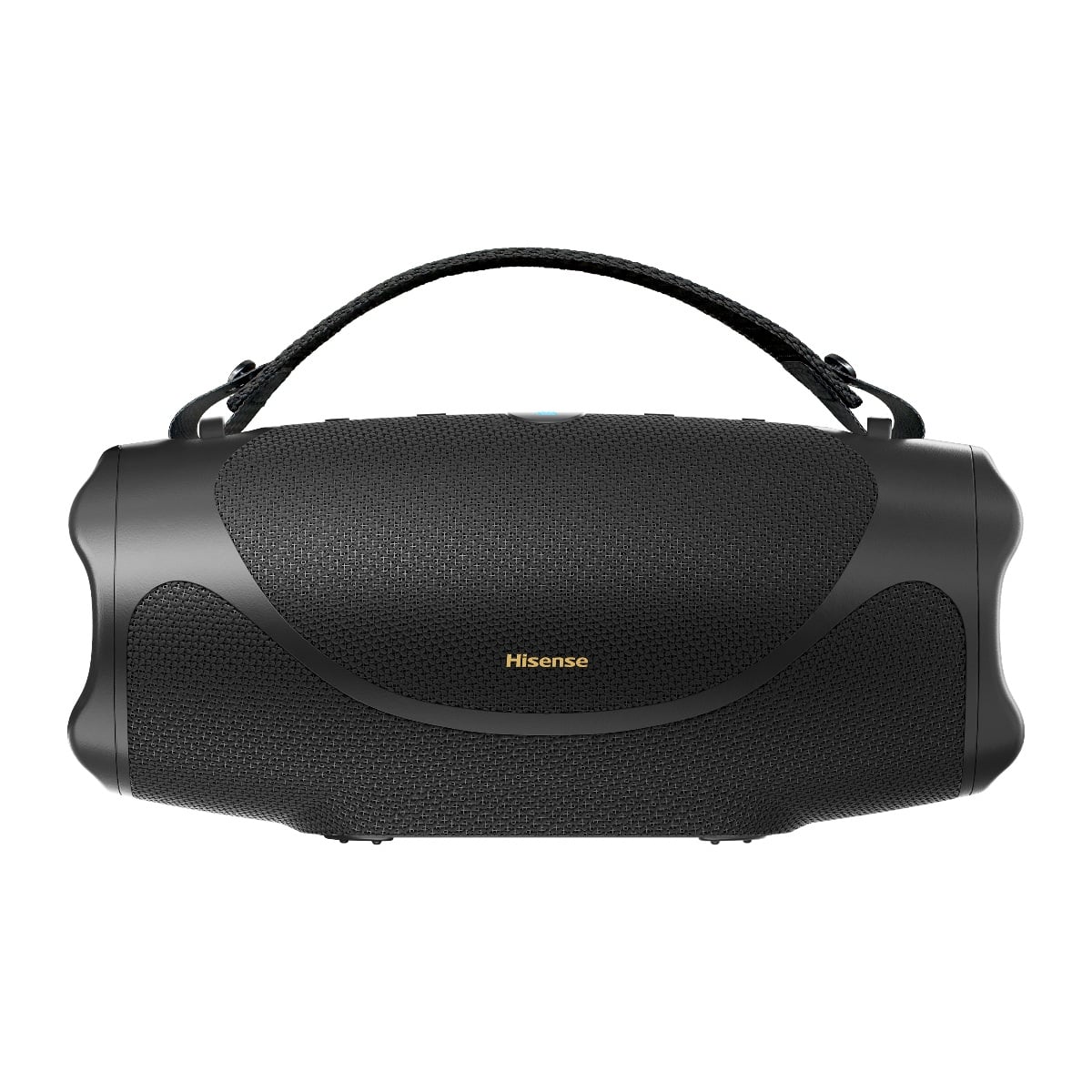
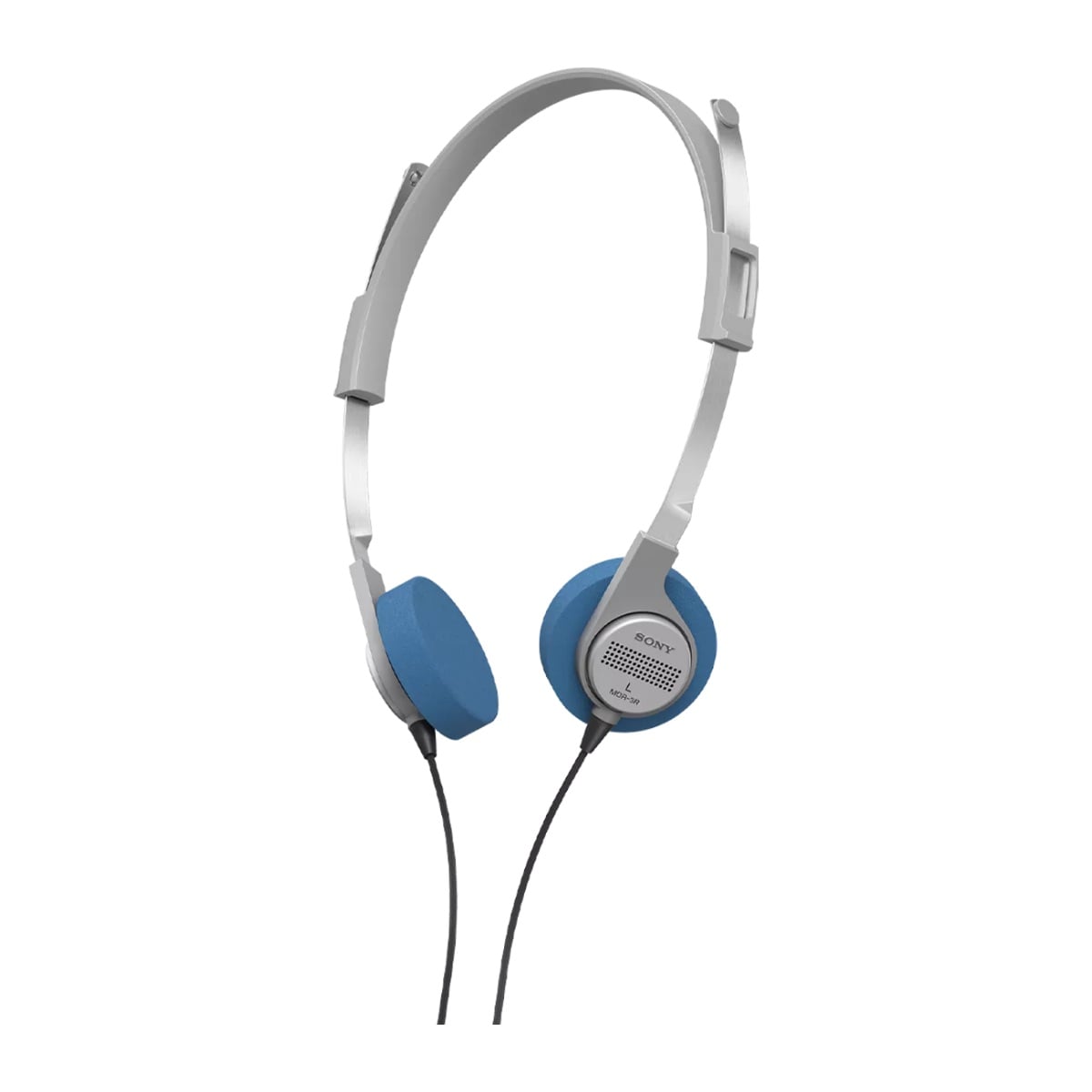
The Hisense FlexBoom and Sony MDR-3R sit in the same category, and this page sets their published specifications side by side. The Sony MDR-3R is the cheaper of the two at $60 versus $120, a difference of about $60. The pros lists below lead with — Hisense FlexBoom: IP67 dust and waterproofing rather than a splash only rating; Sony MDR-3R: USB-C connectivity is more universal and convenient than older 3.5mm-only or proprietary wired standards. Use the side-by-side spec table below to compare battery and connectivity in detail and decide which one fits your priorities.
Who Should Buy
Buy the Hisense FlexBoom if…
- →IP67 dust and waterproofing rather than a splash only rating
- →Auracast and true wireless stereo for multi speaker setups
- →Ten minute quick charge returns about two hours of playback
Buy the Sony MDR-3R if…
- →USB-C connectivity is more universal and convenient than older 3.5mm-only or proprietary wired standards
- →Built-in microphone and volume knob add hands-free and playback control without extra hardware
- →Retro-inspired design aesthetic stands out in a market crowded with generic-looking wired headphones
Pros & Cons
Hisense FlexBoom
Pros
- IP67 dust and waterproofing rather than a splash only rating
- Auracast and true wireless stereo for multi speaker setups
- Ten minute quick charge returns about two hours of playback
- Up to 20 hours from a 5000mAh cell in a 3.3 pound body
- Low entry price for the range
Cons
- No hi-res Bluetooth codec such as LDAC or aptX Adaptive
- 40W is modest next to the WeBoom and VoyageBoom
- No power bank function, unlike the larger models
- United States only at launch
Sony MDR-3R
Pros
- USB-C connectivity is more universal and convenient than older 3.5mm-only or proprietary wired standards
- Built-in microphone and volume knob add hands-free and playback control without extra hardware
- Retro-inspired design aesthetic stands out in a market crowded with generic-looking wired headphones
Cons
- No active noise cancellation at a $60 price point where some competitors offer basic ANC
- Wired-only with no Bluetooth option limits use with devices that lack a USB-C audio output
Full Specifications
| Spec | Hisense FlexBoom | Sony MDR-3R |
|---|---|---|
| Body | ||
| Dimensions | 9.5 x 4 x 4.2 inches | — |
| Type | Portable Bluetooth speaker | over-ear headphones |
| Power | 40 W RMS | — |
| Extras | FM radio, ConnectLife app | — |
| Launch | 17 September 2026, United States | — |
| Retail | Amazon and Best Buy | — |
| Weight | 3.3 lbs | — |
| Battery | ||
| Overview | 7.4V 5000mAh, up to 20 hours | — |
| Battery life | up to 20 hours | — |
| Charging | 10 minutes for about 2 hours playback | — |
| Present | Not stated | |
| Drivers | 1 tweeter, 1 woofer, 2 passive radiators | — |
| Connectivity | ||
| Bluetooth | 5.4 with Auracast and true wireless stereo | — |
| Wired option | — | USB-C |
| Range Siblings | WeBoom 70W, VoyageBoom 136W | — |
| Water Resistance | IP67 dust and water | — |
| Active Noise Cancelling | — | none |
| Features | — | built-in microphone, volume knob |
Want to compare a third product?
Add another product for a 3-way comparison.
Related Comparisons
Explore more in headphones, see all Hisense products or all Sony products. View full details for the Hisense FlexBoom or the Sony MDR-3R.