Hisense Party Thunder Pro vs Sony MDR-3R
How They Compare
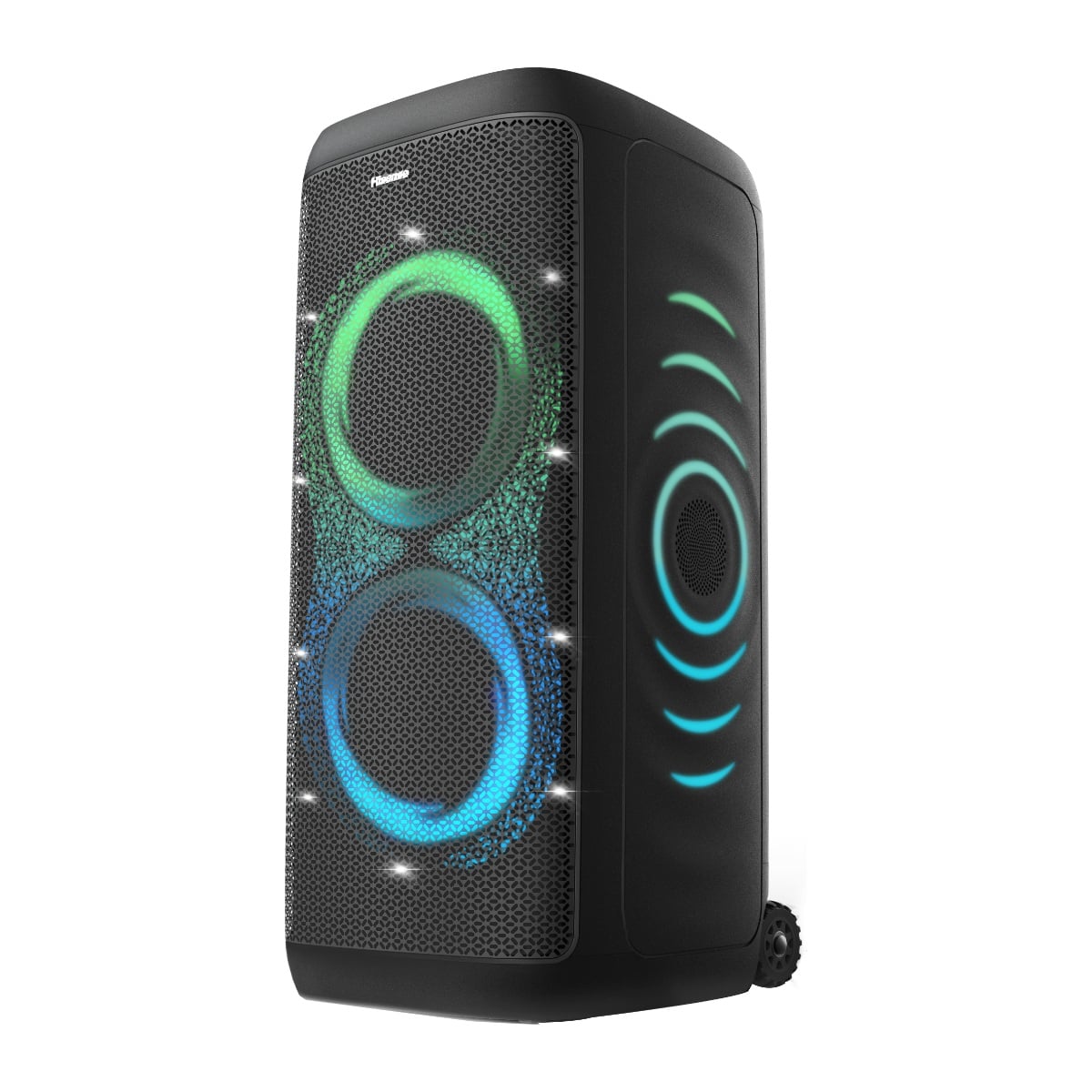
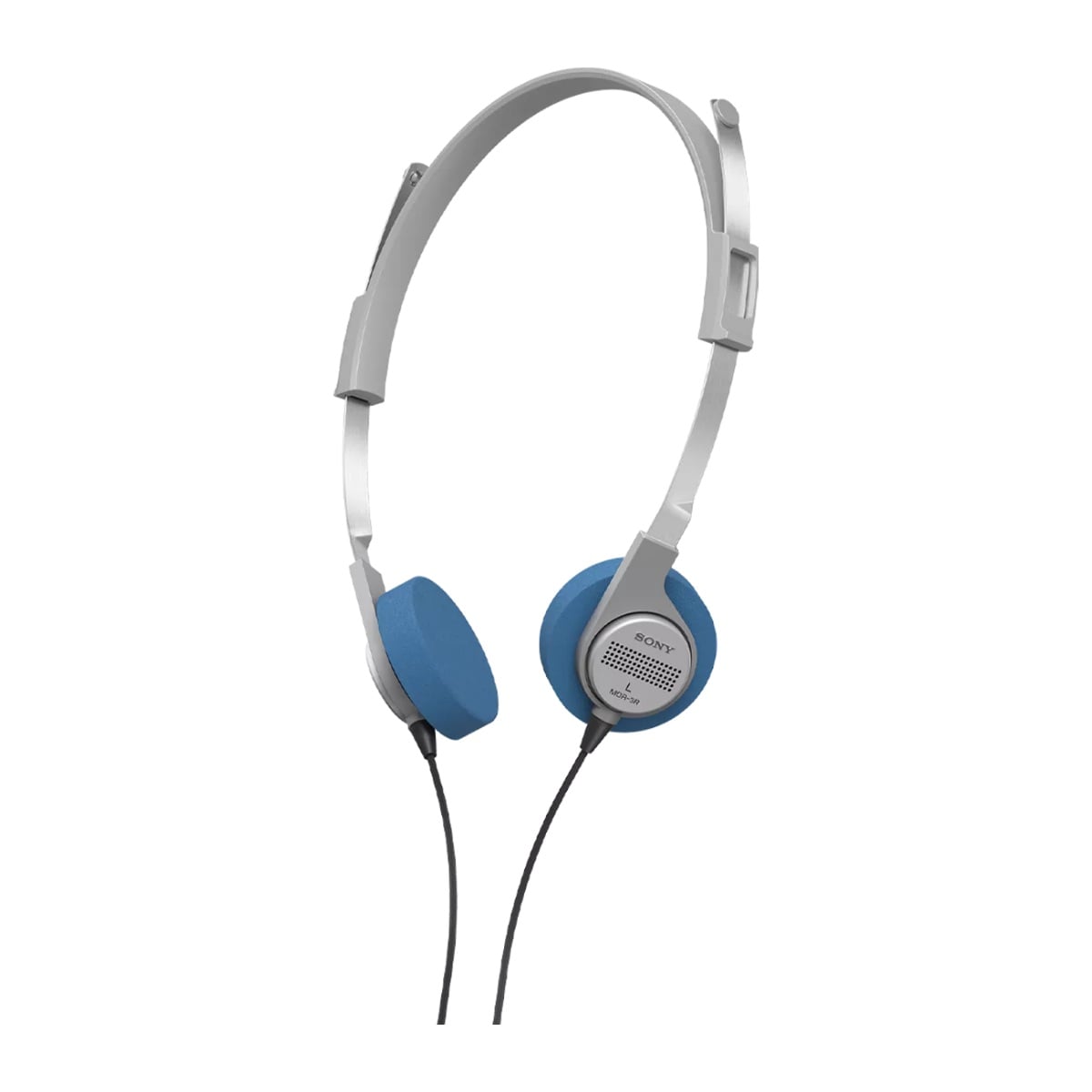
The Hisense Party Thunder Pro and Sony MDR-3R sit in the same category, and this page sets their published specifications side by side. The Sony MDR-3R is the cheaper of the two at $60 versus $400, a difference of about $340. The pros lists below lead with — Hisense Party Thunder Pro: 620W and six drivers including two 6.5 inch subwoofers for real low end; Sony MDR-3R: USB-C connectivity is more universal and convenient than older 3.5mm-only or proprietary wired standards. Use the side-by-side spec table below to compare battery and connectivity in detail and decide which one fits your priorities.
Who Should Buy
Buy the Hisense Party Thunder Pro if…
- →620W and six drivers including two 6.5 inch subwoofers for real low end
- →Wireless microphone in the box plus guitar and wired mic inputs
- →Wheels and a retractable handle make 37 pounds manageable
Buy the Sony MDR-3R if…
- →USB-C connectivity is more universal and convenient than older 3.5mm-only or proprietary wired standards
- →Built-in microphone and volume knob add hands-free and playback control without extra hardware
- →Retro-inspired design aesthetic stands out in a market crowded with generic-looking wired headphones
Pros & Cons
Hisense Party Thunder Pro
Pros
- 620W and six drivers including two 6.5 inch subwoofers for real low end
- Wireless microphone in the box plus guitar and wired mic inputs
- Wheels and a retractable handle make 37 pounds manageable
- Auracast lets multiple units pair wirelessly for wider coverage
- Up to 18 hours of battery and ConnectLife app light control
Cons
- IPX4 only, so splash resistant but not suited to rain or poolside use
- 37 pounds and 27 inches tall is not a carry anywhere speaker
- Bluetooth 5.4 with no hi-res codec such as LDAC or aptX
- 620W is a maximum figure rather than an RMS rating
Sony MDR-3R
Pros
- USB-C connectivity is more universal and convenient than older 3.5mm-only or proprietary wired standards
- Built-in microphone and volume knob add hands-free and playback control without extra hardware
- Retro-inspired design aesthetic stands out in a market crowded with generic-looking wired headphones
Cons
- No active noise cancellation at a $60 price point where some competitors offer basic ANC
- Wired-only with no Bluetooth option limits use with devices that lack a USB-C audio output
Full Specifications
| Spec | Hisense Party Thunder Pro | Sony MDR-3R |
|---|---|---|
| App | ConnectLife | — |
| Body | ||
| Dimensions | 14.2 x 27.2 x 13 inches | — |
| Type | Wheeled tower party speaker | over-ear headphones |
| Weight | 37 lbs | — |
| Battery | ||
| Overview | 7.2V 12500mAh, up to 18 hours | — |
| Battery life | up to 18 hours | — |
| Present | Not stated | |
| Drivers | 2x 3-inch full-range, 2x 2.5-inch tweeters, 2x 6.5-inch subwoofers | — |
| Channels | 2.0 | — |
| Included | Wireless microphone | — |
| Lighting | AI Light Effect, beat synchronised | — |
| Max Power | 620 W | — |
| Connectivity | ||
| Bluetooth | 5.4 with Auracast | — |
| Wired option | — | USB-C |
| Wired Inputs | 3.5mm aux in/out, mic in, guitar in, USB, FM radio | — |
| Water Resistance | IPX4 splashproof | — |
| Frequency Response | 40 Hz to 20 kHz | — |
| Active Noise Cancelling | — | none |
| Features | — | built-in microphone, volume knob |
Want to compare a third product?
Add another product for a 3-way comparison.
Related Comparisons
Explore more in headphones, see all Hisense products or all Sony products. View full details for the Hisense Party Thunder Pro or the Sony MDR-3R.