Grado GW200 vs Logitech G Yeti 2
How They Compare
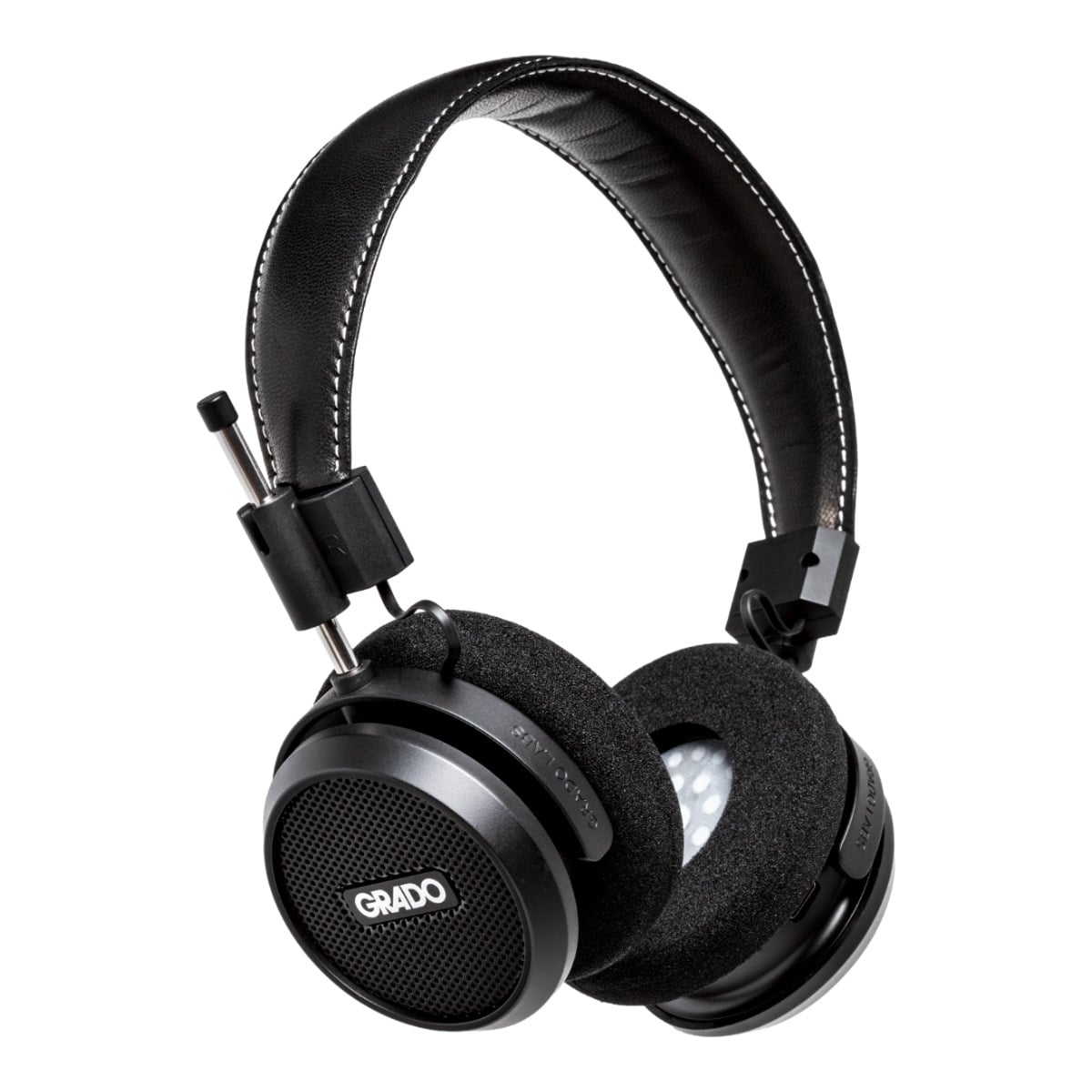
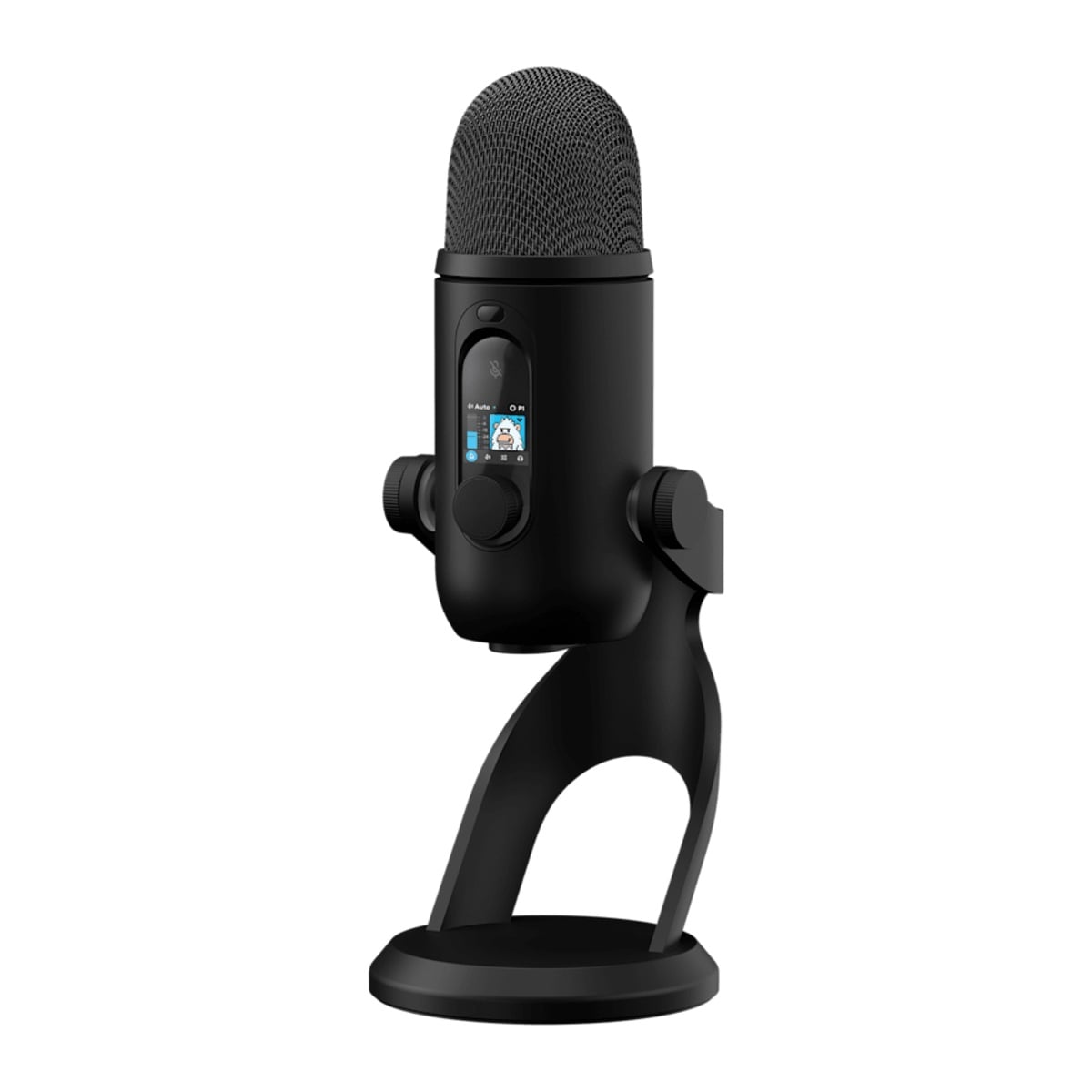
The Grado GW200 and Logitech G Yeti 2 sit in the same category, and this page sets their published specifications side by side. The Logitech G Yeti 2 is the cheaper of the two at $160 versus $329, a difference of about $169. The pros lists below lead with — Grado GW200: More than 60 hours of battery life; Logitech G Yeti 2: Onboard LED display for levels and pattern without opening software. Use the side-by-side spec table below to compare active noise cancelling, battery and connectivity in detail and decide which one fits your priorities.
Who Should Buy
Buy the Grado GW200 if…
- →More than 60 hours of battery life
- →aptX Lossless and aptX Adaptive on Bluetooth 5.4 with multipoint
- →Passive wired mode over 3.5 mm keeps it usable with a flat battery
Buy the Logitech G Yeti 2 if…
- →Onboard LED display for levels and pattern without opening software
- →Proximity sensor tracks you as you move
- →AI de-noising built into the hardware
Pros & Cons
Grado GW200
Pros
- More than 60 hours of battery life
- aptX Lossless and aptX Adaptive on Bluetooth 5.4 with multipoint
- Passive wired mode over 3.5 mm keeps it usable with a flat battery
- Light at 235 g
Cons
- No active noise cancellation
- Open-back design leaks sound and blocks little outside noise, so it suits quiet rooms more than commutes
- No LDAC support
Logitech G Yeti 2
Pros
- Onboard LED display for levels and pattern without opening software
- Proximity sensor tracks you as you move
- AI de-noising built into the hardware
- Blue VO!CE presets carried over
Cons
- Logitech does not publish the capsule count or sample rate
- USB only, no XLR output
- Desk stand takes a lot of space
- At USD 159.99 it is well above the entry-level streaming mics
Full Specifications
| Spec | Grado GW200 | Logitech G Yeti 2 |
|---|---|---|
| Active Noise Cancelling | None | |
| Type | Open-back wireless headphones | Multi-pattern USB condenser microphone |
| Weight | 235 g | — |
| Battery | ||
| Battery life | 60+ hours | — |
| Charging | USB-C | — |
| Type | — | None, USB bus powered |
| Drivers | 44 mm Grado S dynamic driver, 38 ohm, 104 dB SPL at 1 mW, 16 Hz to 34 kHz, THD under 0.3% at 100 dB | — |
| Earpads | F cushion, interchangeable | — |
| Connectivity | ||
| Wired option | 3.5 mm passive wired mode | USB-C |
| Codecs | aptX Lossless, aptX Adaptive, aptX HD, aptX, AAC, SBC | — |
| Platform | Qualcomm QCC3095 | — |
| Bluetooth | 5.4 | — |
| Microphone | Built-in | — |
| Multipoint | Yes | — |
| Wireless charging | — | None |
| Brand | — | Sold under Logitech G rather than Blue |
| Display | — | 1.3-inch onboard LED display |
| Features | — | Voice proximity sensor with 3D motion tracking, AI-powered de-noising, Blue VO!CE DSP presets, onboard controls |
Want to compare a third product?
Add another product for a 3-way comparison.
Related Comparisons
Explore more in headphones, see all Grado products or all Logitech products. View full details for the Grado GW200 or the Logitech G Yeti 2.