Framework Laptop 13 (AMD Ryzen) vs Valve Steam Deck OLED
The Verdict
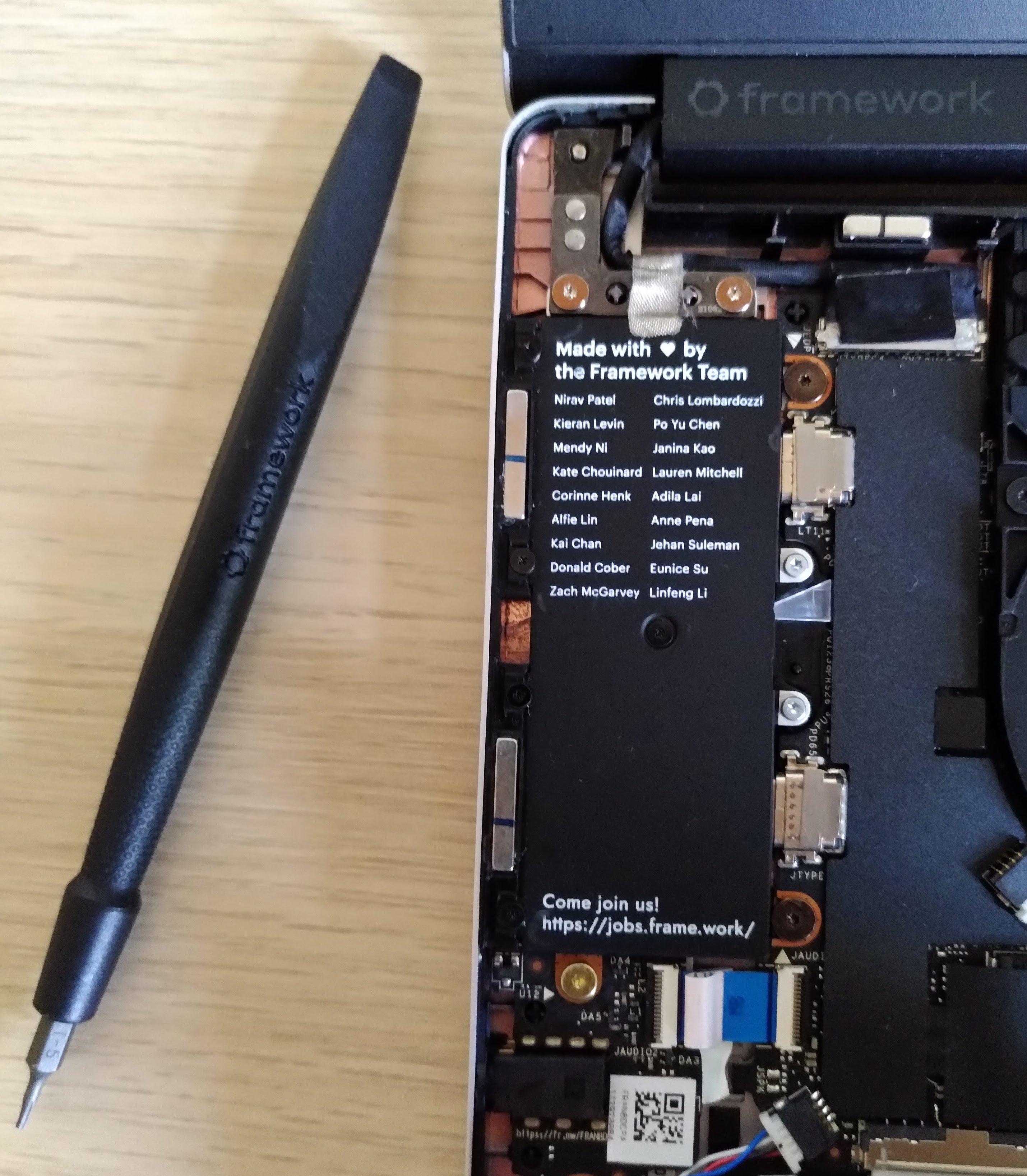
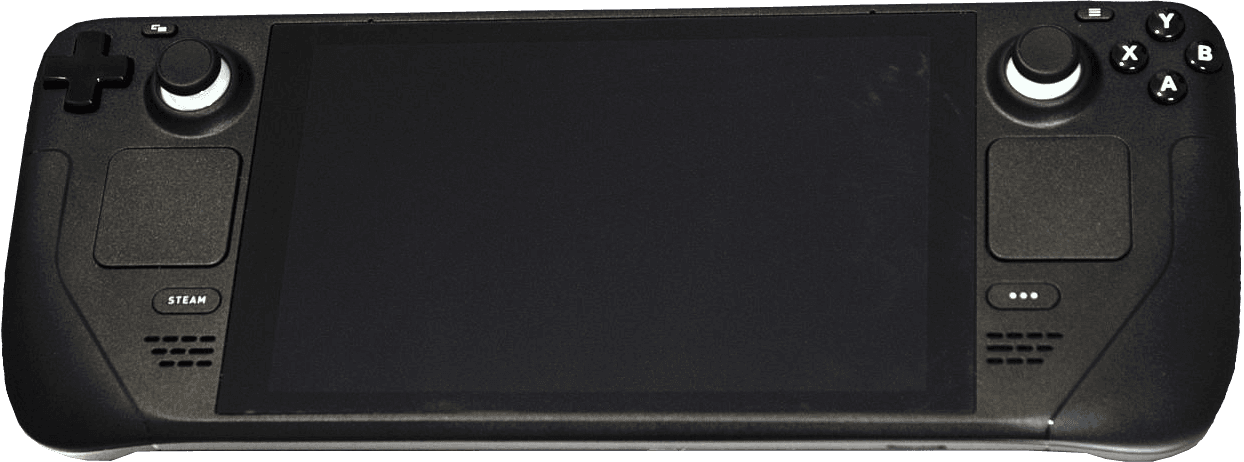
These devices serve fundamentally different purposes, making direct comparison challenging. Framework Laptop 13 is a traditional ultrabook designed for productivity, featuring an 8-core AMD Ryzen 7 7840U processor, 16GB DDR5 RAM, and a spacious 13.5-inch 2256x1504 IPS display with 400 nits brightness. It delivers up to 12 hours of battery life and weighs just 2.87 lbs, making it genuinely portable for work. The Valve Steam Deck OLED is a portable gaming console with a custom 4-core Zen 2 APU, 16GB LPDDR5 memory, and a stunning 7.4-inch OLED display with 1000 nits brightness and 90Hz refresh rate. Battery life varies dramatically from 3 to 12 hours depending on game demands. Framework excels at general computing, web browsing, and professional tasks with its full operating system and traditional keyboard-trackpad setup. Steam Deck dominates gaming and entertainment with superior display technology and gaming-optimized architecture, though productivity tasks require adaptation. If you need a laptop for work, school, or general computing, Framework wins decisively. For handheld gaming and entertainment, Steam Deck is unmatched. The Framework costs nearly double but offers superior versatility as a complete computing device.
Who Should Buy
Buy the Framework Laptop 13 (AMD Ryzen) if…
- →Ryzen 7 7840U delivers better multi-threaded performance than Intel variant
- →61 Wh battery provides better battery life than the Intel version
- →Same full modularity — swap RAM, SSD, mainboard, and expansion cards
Buy the Valve Steam Deck OLED if…
- →Gorgeous HDR OLED display with 1000-nit peak brightness and true blacks
- →90Hz refresh rate is noticeably smoother than the original LCD model
- →Access to entire Steam library with Proton compatibility layer
Category Scores
Pros & Cons
Framework Laptop 13 (AMD Ryzen)
Pros
- Ryzen 7 7840U delivers better multi-threaded performance than Intel variant
- 61 Wh battery provides better battery life than the Intel version
- Same full modularity — swap RAM, SSD, mainboard, and expansion cards
- Integrated Radeon 780M GPU handles light gaming at 720p-1080p
- Sustainable, repairable design reduces e-waste
Cons
- No Thunderbolt — AMD USB4 is functionally similar but less universal
- DIY assembly required for the most affordable configurations
- Speakers remain below average across both Intel and AMD variants
- 60Hz display lags behind 120Hz competitors
- Smaller ecosystem of accessories compared to mainstream brands
Valve Steam Deck OLED
Pros
- Gorgeous HDR OLED display with 1000-nit peak brightness and true blacks
- 90Hz refresh rate is noticeably smoother than the original LCD model
- Access to entire Steam library with Proton compatibility layer
- 50 Wh battery provides 30-50% more playtime than LCD model
- Wi-Fi 6E and Bluetooth 5.3 are significant connectivity upgrades
Cons
- 1280 x 800 resolution limits sharpness on the 7.4-inch display
- 640 g is heavy for extended handheld gaming sessions
- Zen 2 CPU is aging and struggles with the latest AAA titles at high settings
- Battery life as low as 3 hours in demanding games
- No built-in kickstand for tabletop or docked play
Full Specifications
| Spec | Framework Laptop 13 (AMD Ryzen) | Valve Steam Deck OLED |
|---|---|---|
| Software | Windows 11 Home | SteamOS 3.0 (Arch-based Linux) |
| Body | ||
| Weight | 2.87 lbs (1.3 kg) | 640 g |
| Material | Aluminum (50% post-consumer recycled) | Plastic chassis with aluminum brackets |
| Dimensions | 11.68 x 9.0 x 0.62 inches | 298 x 117 x 49 mm |
| Ports | ||
| USB-A ports | 0 | — |
| USB-C ports | 2 | 1 |
| Microsd | — | |
| Headphone Jack | — | |
| Battery | ||
| Battery life | Up to 12 hours | 3-12 hours (game dependent) |
| Capacity | 61 Wh | 50 Wh |
| Display | ||
| Size | 13.5 inches | 7.4 inches |
| Type | IPS | HDR OLED |
| Resolution | 2256 x 1504 | 1280 x 800 |
| Refresh rate | 60Hz | 90Hz |
| Brightness (nits) | 400 | 1000 |
| Storage | ||
| SSD | 512 GB PCIe Gen 4 NVMe (user-installed) | — |
| Expandable storage | — | |
| Keyboard | ||
| Backlit | — | |
| Processor | ||
| RAM | 16 GB DDR5 (user-installed) | 16 GB LPDDR5 (6400 MT/s) |
| Cores | 8 cores / 16 threads | 4-core CPU, 8-core RDNA 2 GPU |
| Chipset | AMD Ryzen 7 7840U | AMD custom APU (Zen 2, 4-core / 8-thread, 2.4-3.5 GHz) |
| Memory | ||
| Storage options | — | 512 GB NVMe SSD, 1 TB NVMe SSD |
| Connectivity | ||
| Wi-Fi | — | Wi-Fi 6E |
| Bluetooth | — | 5.3 |
Want to compare a third product?
Add another product for a 3-way comparison.
Related Comparisons
This comparison is based on verified manufacturer specifications covering display, performance, camera, battery, and build quality. Scores are generated by analyzing specs across weighted categories on a 10-point scale. Learn more about our methodology.
Explore more in laptops, see all Framework products or all Valve products. View full details for the Framework Laptop 13 (AMD Ryzen) or the Valve Steam Deck OLED.