Duva One vs Sony MDR-3R
How They Compare
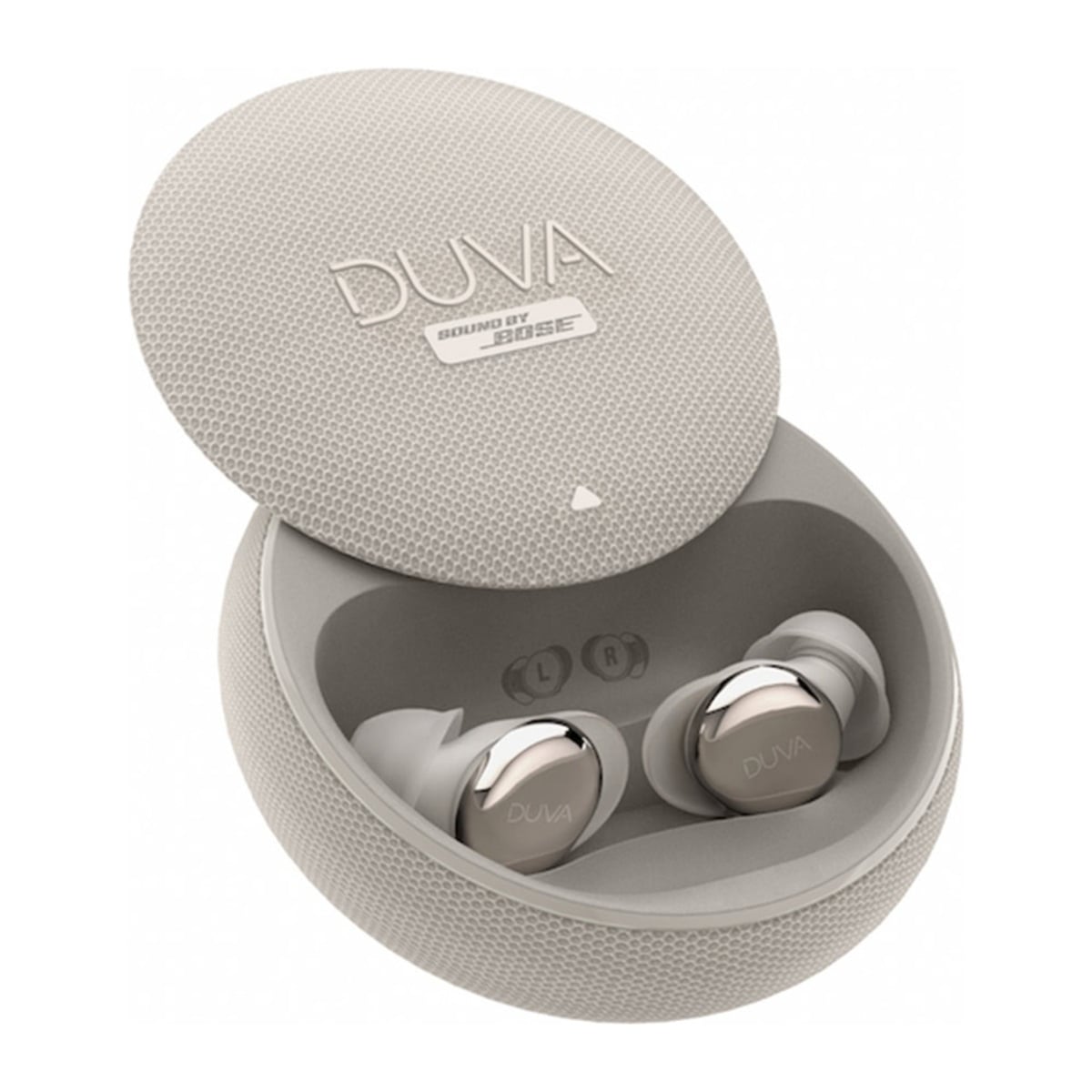
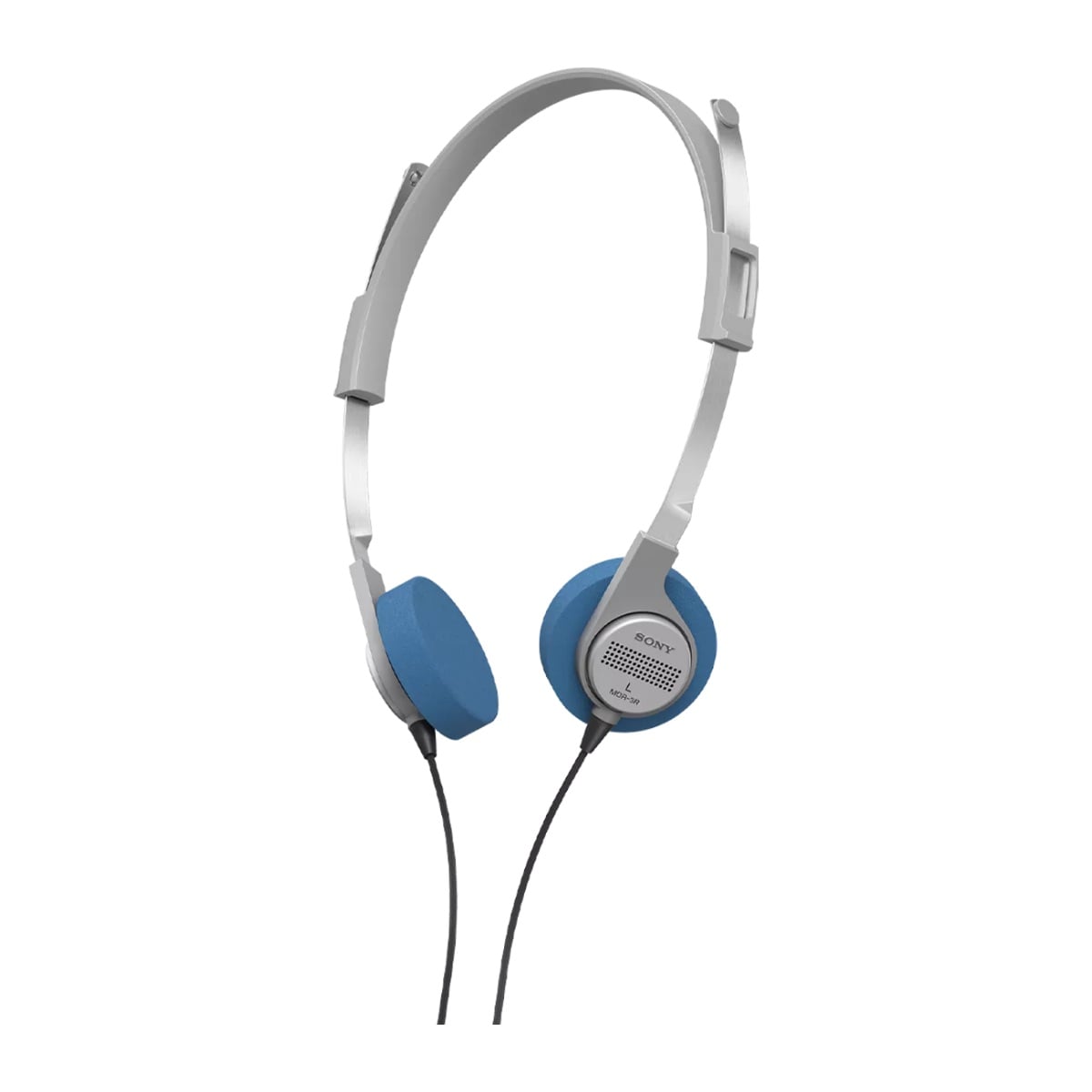
The Duva One and Sony MDR-3R sit in the same category, and this page sets their published specifications side by side. The Sony MDR-3R is the cheaper of the two at $60 versus $350, a difference of about $290. The pros lists below lead with — Duva One: 9.9mm profile and 3.3g weight are built specifically for side sleepers; Sony MDR-3R: USB-C connectivity is more universal and convenient than older 3.5mm-only or proprietary wired standards. Use the side-by-side spec table below to see how their published specifications differ and decide which one fits your priorities.
Who Should Buy
Buy the Duva One if…
- →9.9mm profile and 3.3g weight are built specifically for side sleepers
- →Reacts to disturbances during the night rather than only reporting them next morning
- →Bedside case adds room noise, light, temperature and humidity sensing
Buy the Sony MDR-3R if…
- →USB-C connectivity is more universal and convenient than older 3.5mm-only or proprietary wired standards
- →Built-in microphone and volume knob add hands-free and playback control without extra hardware
- →Retro-inspired design aesthetic stands out in a market crowded with generic-looking wired headphones
Pros & Cons
Duva One
Pros
- 9.9mm profile and 3.3g weight are built specifically for side sleepers
- Reacts to disturbances during the night rather than only reporting them next morning
- Bedside case adds room noise, light, temperature and humidity sensing
- Up to 42dB of combined noise reduction and up to 16 hours per charge
- Case stores sound levels only, not audio recordings
Cons
- Expensive against established sleep earbuds and sleep trackers
- Explicitly not a medical device, so sleep stage data is only an estimate
- Battery drops to about 9.5 hours once ANC is switched on
- Announced at a trade show with no hands on reviews and no firm on sale date
Sony MDR-3R
Pros
- USB-C connectivity is more universal and convenient than older 3.5mm-only or proprietary wired standards
- Built-in microphone and volume knob add hands-free and playback control without extra hardware
- Retro-inspired design aesthetic stands out in a market crowded with generic-looking wired headphones
Cons
- No active noise cancellation at a $60 price point where some competitors offer basic ANC
- Wired-only with no Bluetooth option limits use with devices that lack a USB-C audio output
Full Specifications
| Spec | Duva One | Sony MDR-3R |
|---|---|---|
| Active Noise Cancelling | none | |
| Note | Not a medical device, sleep stage readings are estimates | — |
| Type | In-ear sleep earbuds with a sensing bedside charging case | over-ear headphones |
| Brand | Duva, created by Fitnexa | — |
| Weight | About 3.3 g each | — |
| Privacy | The case measures sound levels only and does not record or store audio | — |
| Features | Snore Response Mode, adaptive sound masking, sleep audio, adaptive calibration, offline alarm | built-in microphone, volume knob |
| Availability | Target October 2026 in the US, Canada, UK, EU and Australia | — |
| Case Sensors | Ambient noise level, light, temperature, humidity | — |
| Earbud Profile | 9.9 mm at the thickest point, about 3.5 mm protrusion on a pillow | — |
| Earbud Sensors | PPG heart rate, three-axis motion, in-ear microphone | — |
| Tracking Outputs | Heart rate, HRV, movement, sleep stage estimates, sleep position | — |
| Battery | ||
| Present | Not stated | |
| Connectivity | ||
| Wired option | — | USB-C |
Want to compare a third product?
Add another product for a 3-way comparison.
Related Comparisons
Explore more in headphones, see all Fitnexa products or all Sony products. View full details for the Duva One or the Sony MDR-3R.