Fitbit Versa 4 vs Garmin Forerunner 255
The Verdict
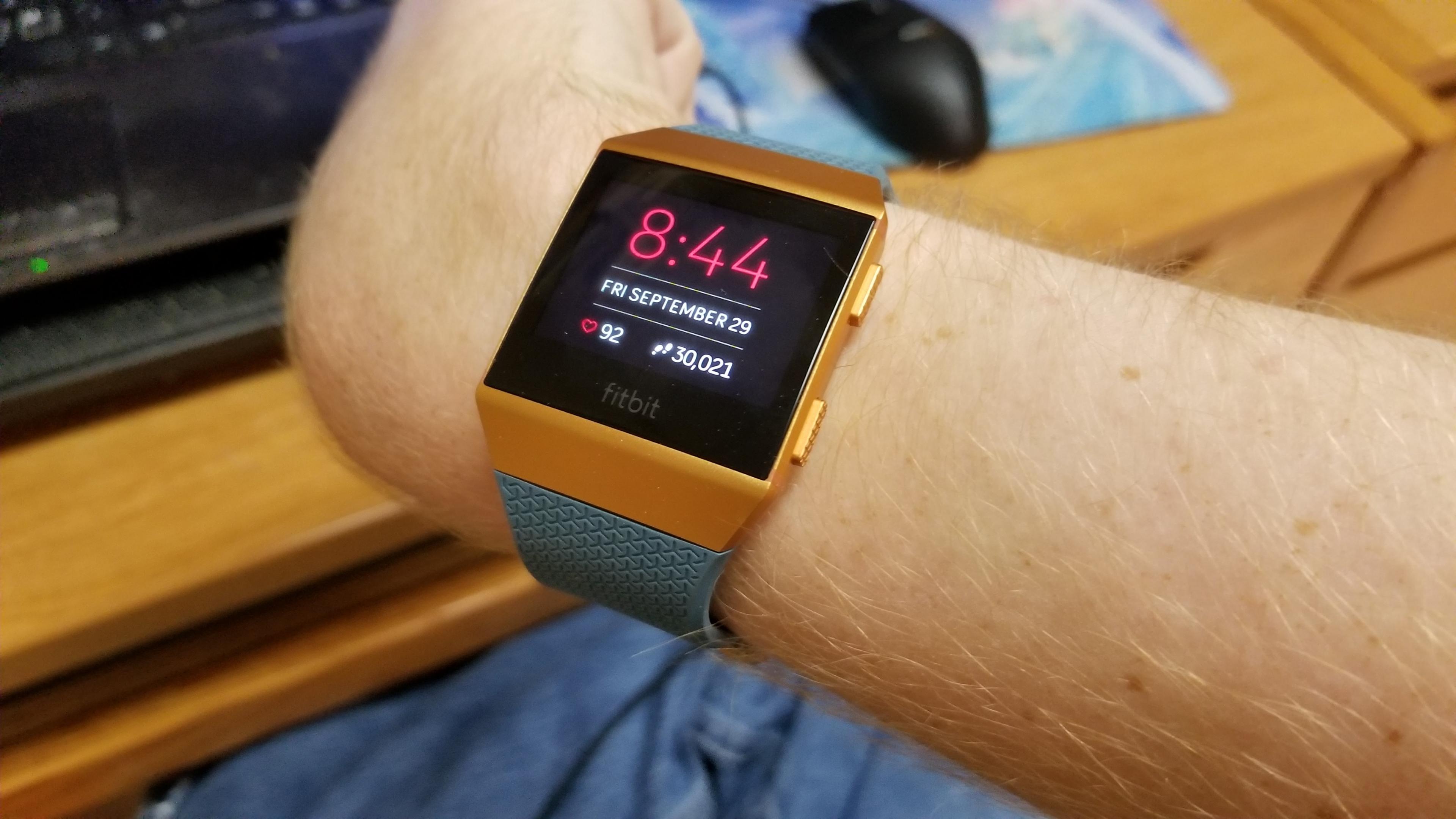
Fitbit Versa 4 and Garmin Forerunner 255 target different users within the smartwatch market. Versa 4 features a vibrant 1.58-inch AMOLED display with 336x336 resolution, ECG capability, and skin temperature monitoring, making it ideal for general fitness enthusiasts prioritizing visual appeal and comprehensive health data. Battery lasts 6 days on typical usage. Forerunner 255 prioritizes endurance athletes with exceptional 14-day battery life in smartwatch mode and 30 hours in GPS mode, though its MIP transflective display offers lower visual fidelity with 260x260 resolution. At $179, Versa 4 provides excellent value for casual users. Forerunner 255's $349 price reflects sports-specific software, superior GPS reliability, and legendary battery longevity. Choose Versa 4 for everyday versatility and display quality; select Forerunner 255 if you need extended battery life for multi-day adventures and serious training metrics.
Who Should Buy
Buy the Fitbit Versa 4 if…
- →Best sleep tracking of any smartwatch — Daily Readiness Score
- →ECG, SpO2, and skin temperature at $179 is strong value
- →6-day battery life — charge once a week
Buy the Garmin Forerunner 255 if…
- →14-day battery life means weekly charging at most
- →Multi-band GPS for exceptional outdoor tracking accuracy
- →Morning Report with daily training readiness and HRV status
Category Scores
Pros & Cons
Fitbit Versa 4
Pros
- Best sleep tracking of any smartwatch — Daily Readiness Score
- ECG, SpO2, and skin temperature at $179 is strong value
- 6-day battery life — charge once a week
- NFC for Google Wallet contactless payments
- Google integration with Maps, Wallet, and YouTube Music
Cons
- Fitbit OS is being sunset — unclear future app support
- GPS accuracy is less reliable than Garmin or Apple Watch
- Limited third-party app ecosystem
- Physical button replaced with a haptic side button — divisive
Garmin Forerunner 255
Pros
- 14-day battery life means weekly charging at most
- Multi-band GPS for exceptional outdoor tracking accuracy
- Morning Report with daily training readiness and HRV status
- Race Predictor estimates finish times for 5K to marathon
- Lightweight at 49 g and comfortable for 24/7 wear
Cons
- MIP display lacks the vibrancy of AMOLED competitors
- No touchscreen on base model — button-only navigation
- No ECG or blood pressure monitoring
- Limited smart features compared to Apple Watch or Wear OS
- Third-party app ecosystem is small
Full Specifications
| Spec | Fitbit Versa 4 | Garmin Forerunner 255 |
|---|---|---|
| Software | Fitbit OS (transitioning to Wear OS) | Garmin proprietary OS |
| Body | ||
| Weight | 37.6 g | 49 g |
| Case material | Aluminum | Fiber-reinforced polymer |
| Water resistance | WR50 | 5ATM |
| Health & Sensors | ||
| ECG | ||
| SpO₂ | ||
| Skin temperature | ||
| Heart rate | ||
| Sleep tracking | ||
| Battery | ||
| Battery life | Up to 6 days (typical usage) | Up to 14 days (smartwatch), 30 hrs GPS |
| Display | ||
| Size | 40 mm (1.58 inches) | 46mm |
| Type | AMOLED | MIP (Memory-in-Pixel) transflective |
| Always-on display | ||
| Resolution | 336 x 336 | 260 x 260 |
| Processor | ||
| Chipset | Fitbit proprietary | Garmin custom SoC |
| Connectivity | ||
| GPS | ||
| NFC | ||
| Wi-Fi | ||
| Cellular | ||
| Bluetooth | 5.0 | 5.0 |
Related Comparisons
This comparison is based on verified manufacturer specifications covering display, performance, camera, battery, and build quality. Scores are generated by analyzing specs across weighted categories on a 10-point scale. Learn more about our methodology.
Explore more in smartwatches, see all Fitbit products or all Garmin products. View full details for the Fitbit Versa 4 or the Garmin Forerunner 255.