Fitbit Versa 3 vs Samsung Galaxy Watch 4
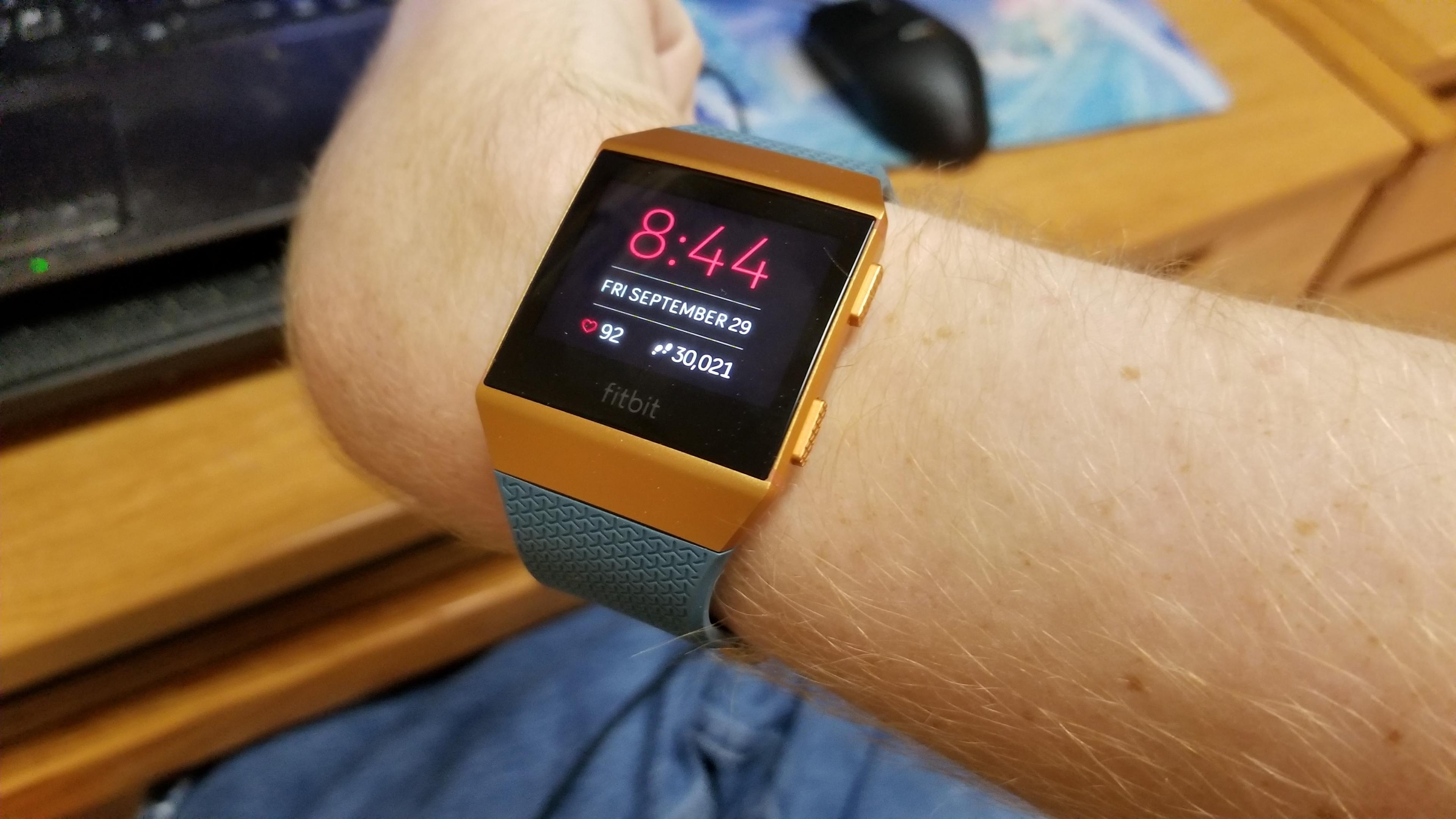
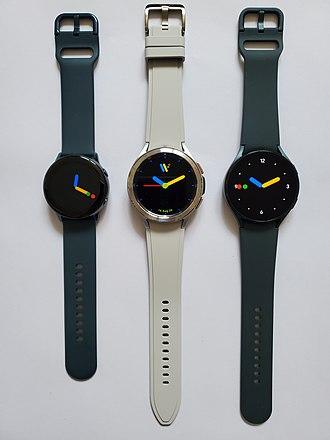
The Verdict
Samsung Galaxy Watch 4 edges out the Fitbit Versa 3 with superior hardware and software capabilities, despite costing just $20 more. The Galaxy Watch 4's Super AMOLED display offers sharper visuals with 396x396 resolution (40mm) compared to Versa 3's 336x336, while weighing significantly less at 25.9g versus 40g. Samsung includes ECG functionality, cellular connectivity options, and Wear OS 3.0's more robust app ecosystem, whereas the Versa 3 relies on Fitbit's more limited operating system. Battery life favors Versa 3 with 6+ days versus Galaxy Watch 4's typical 20 hours (up to 40 in battery saver mode), making it better for extended trips without charging. Both track sleep, heart rate, and SpO2 levels, and both feature NFC for contactless payments. Fitbit Versa 3 suits users prioritizing battery longevity and simplicity, while Galaxy Watch 4 appeals to Android users wanting deeper smartwatch features, better performance, and more health sensors. For most buyers, Galaxy Watch 4 delivers better overall value and capability.
Who Should Buy
Buy the Fitbit Versa 3 if…
- →Built-in GPS is a major upgrade over Versa 2
- →6+ day battery easily lasts a full week for most users
- →AMOLED display is bright and crisp
Buy the Samsung Galaxy Watch 4 if…
- →First Samsung watch with Wear OS and Google apps integration
- →BIA sensor for body composition measurement (body fat, muscle mass)
- →Lightweight and slim design comfortable for all-day wear
Category Scores
Pros & Cons
Fitbit Versa 3
Pros
- Built-in GPS is a major upgrade over Versa 2
- 6+ day battery easily lasts a full week for most users
- AMOLED display is bright and crisp
- Google Assistant and Alexa voice assistant support
- Lightweight at 40 g — comfortable for sleep tracking
Cons
- Capacitive side button is imprecise and frustrating
- No ECG or EDA stress sensor — need Sense for those
- Fitbit OS has a very limited app store
- SpO2 tracking requires a specific watch face to display
Samsung Galaxy Watch 4
Pros
- First Samsung watch with Wear OS and Google apps integration
- BIA sensor for body composition measurement (body fat, muscle mass)
- Lightweight and slim design comfortable for all-day wear
- ECG and blood pressure monitoring (Samsung phones only)
- Affordable entry into Samsung's smartwatch ecosystem
Cons
- Battery life of 20 hours typical requires daily charging
- Gorilla Glass DX+ scratches more easily than sapphire crystal
- Many health features locked to Samsung Galaxy phones
- Wear OS 3 was buggy at launch with limited app support
Full Specifications
| Spec | Fitbit Versa 3 | Samsung Galaxy Watch 4 |
|---|---|---|
| Software | Fitbit OS | Wear OS 3.0 (One UI Watch 4) |
| Body | ||
| Weight | 40 g | 25.9 g (40mm) / 30.3 g (44mm) |
| Case material | Aluminum | Aluminum with Corning Gorilla Glass DX+ |
| Water resistance | 5ATM | 5ATM + IP68, MIL-STD-810G |
| Health & Sensors | ||
| ECG | ||
| SpO₂ | ||
| Skin temperature | ||
| Heart rate | ||
| Sleep tracking | ||
| Battery | ||
| Battery life | Up to 6+ days | Up to 40 hrs (typical ~20 hrs) |
| Display | ||
| Size | 40mm (1.58 inches) | 40mm / 44mm |
| Type | AMOLED | Super AMOLED |
| Always-on display | ||
| Resolution | 336 x 336 | 396 x 396 / 450 x 450 |
| Processor | ||
| Chipset | Fitbit custom processor | Exynos W920 |
| Connectivity | ||
| GPS | ||
| NFC | ||
| Wi-Fi | ||
| Cellular | ||
| Bluetooth | 5.0 | 5.0 |
Want to compare a third product?
Add another product for a 3-way comparison.
Related Comparisons
This comparison is based on verified manufacturer specifications covering display, performance, camera, battery, and build quality. Scores are generated by analyzing specs across weighted categories on a 10-point scale. Learn more about our methodology.
Explore more in smartwatches, see all Fitbit products or all Samsung products. View full details for the Fitbit Versa 3 or the Samsung Galaxy Watch 4.