FiiO FT15 vs Sony MDR-3R
How They Compare
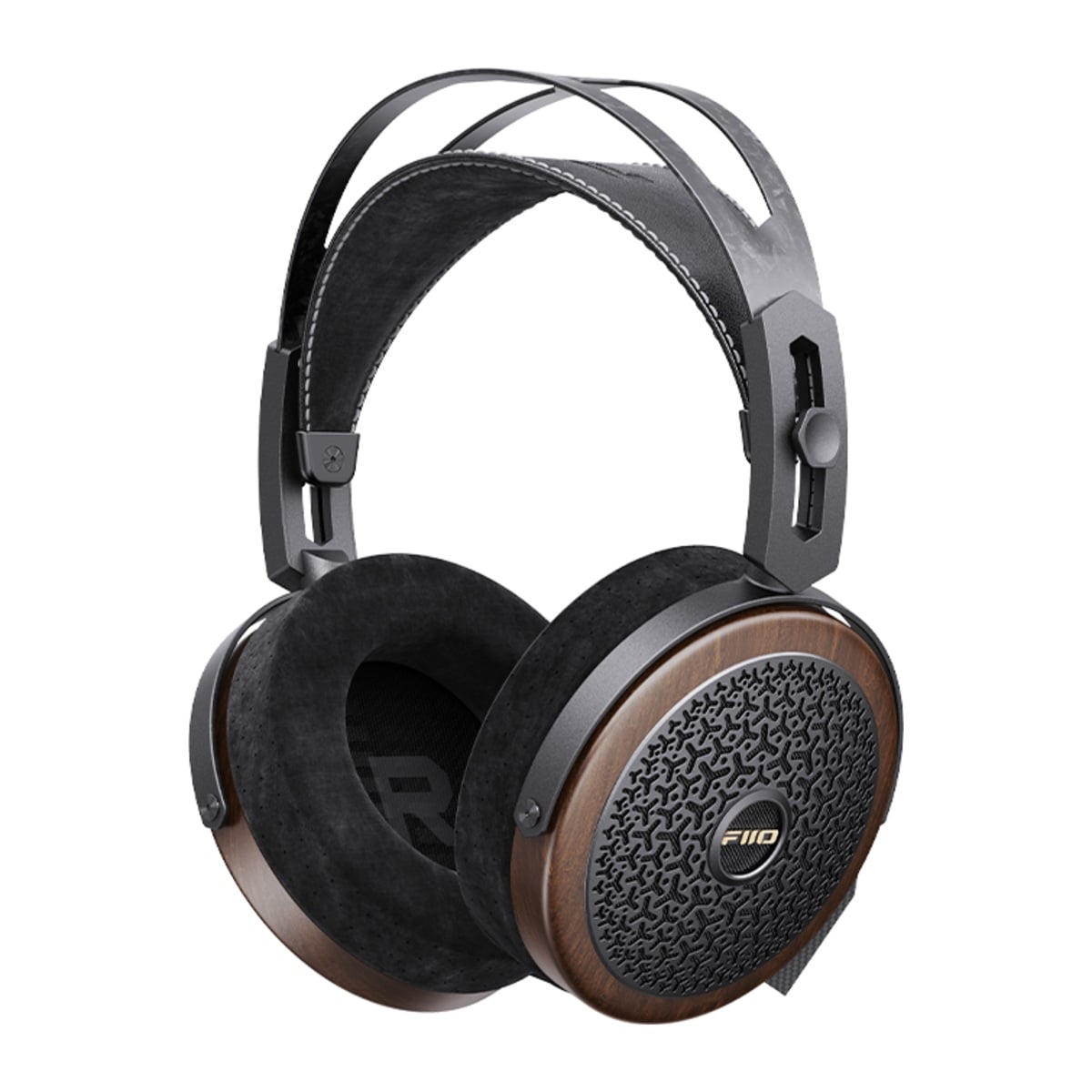
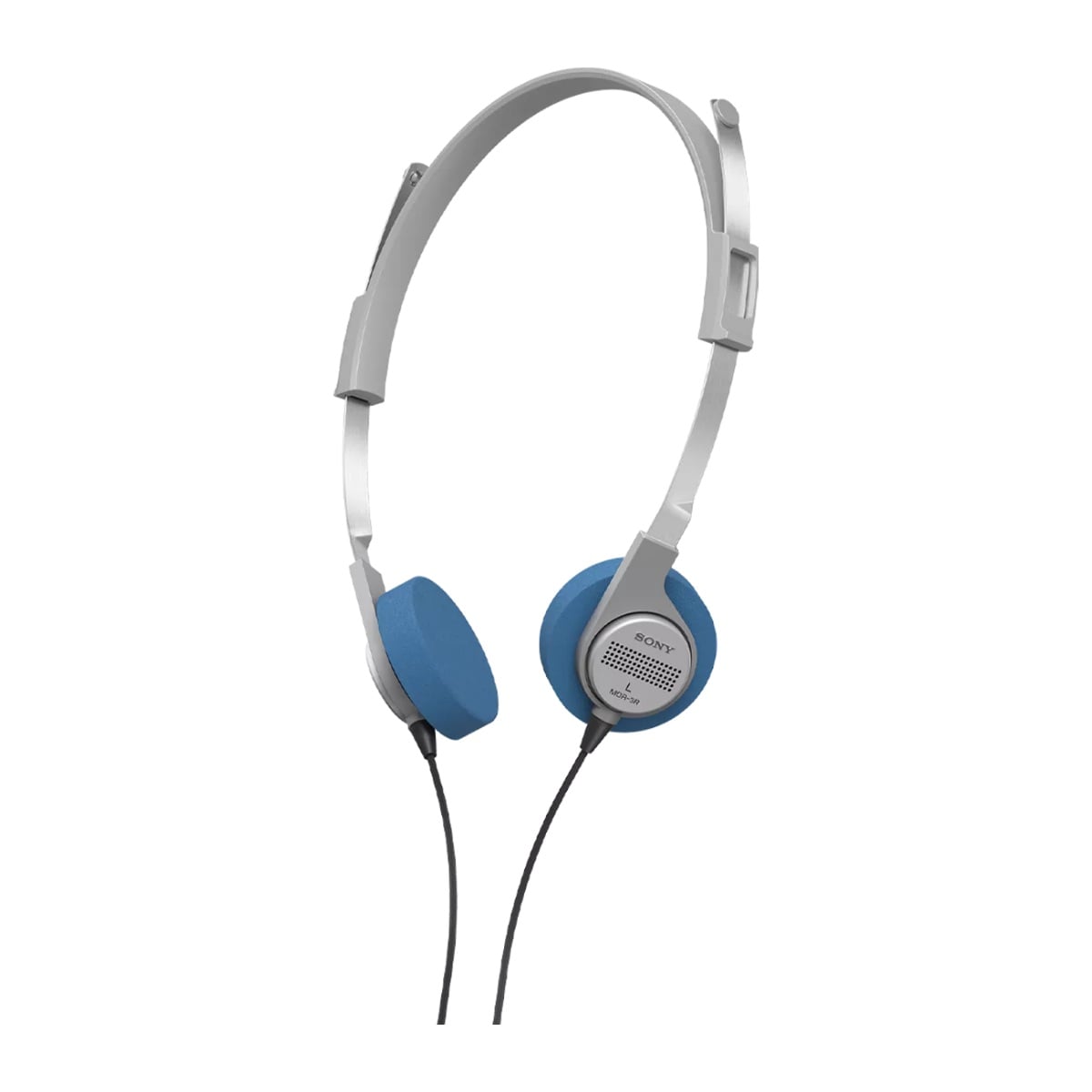
The FiiO FT15 and Sony MDR-3R sit in the same category, and this page sets their published specifications side by side. The Sony MDR-3R is the cheaper of the two at $60 versus $500, a difference of about $440. The pros lists below lead with — FiiO FT15: Very large 101mm planar driver with an unusually thin diamond coated diaphragm; Sony MDR-3R: USB-C connectivity is more universal and convenient than older 3.5mm-only or proprietary wired standards. Use the side-by-side spec table below to see how their published specifications differ and decide which one fits your priorities.
Who Should Buy
Buy the FiiO FT15 if…
- →Very large 101mm planar driver with an unusually thin diamond coated diaphragm
- →Easy to drive at 24 ohms and 95dB/mW, so no desktop amp is mandatory
- →425g is light for a big planar and lighter than the FT5 it replaces
Buy the Sony MDR-3R if…
- →USB-C connectivity is more universal and convenient than older 3.5mm-only or proprietary wired standards
- →Built-in microphone and volume knob add hands-free and playback control without extra hardware
- →Retro-inspired design aesthetic stands out in a market crowded with generic-looking wired headphones
Pros & Cons
FiiO FT15
Pros
- Very large 101mm planar driver with an unusually thin diamond coated diaphragm
- Easy to drive at 24 ohms and 95dB/mW, so no desktop amp is mandatory
- 425g is light for a big planar and lighter than the FT5 it replaces
- Genuine walnut and carbon fibre build with two earpad sets in the box
- Balanced cable plus 6.35mm and XLR-4 adapters included
Cons
- A big jump in price over FiiO's earlier full size planars
- Open back design leaks heavily and offers no isolation
- Early hands on reports note comfort limits after a few hours
- Availability is staged, starting with FiiO's own channels and AliExpress
Sony MDR-3R
Pros
- USB-C connectivity is more universal and convenient than older 3.5mm-only or proprietary wired standards
- Built-in microphone and volume knob add hands-free and playback control without extra hardware
- Retro-inspired design aesthetic stands out in a market crowded with generic-looking wired headphones
Cons
- No active noise cancellation at a $60 price point where some competitors offer basic ANC
- Wired-only with no Bluetooth option limits use with devices that lack a USB-C audio output
Full Specifications
| Spec | FiiO FT15 | Sony MDR-3R |
|---|---|---|
| Type | Open-back over-ear wired headphones | over-ear headphones |
| Cable | 6N monocrystalline copper, cryogenically treated | — |
| Weight | About 425 g excluding cable | — |
| Drivers | 101mm planar magnetic, fourth-generation FiiO design | — |
| Earpads | Suede fitted, protein leather spare | — |
| Headband | Carbon fibre | — |
| Diaphragm | 800nm nano-diaphragm with diamond coating | — |
| Impedance | 24 ohms at 1kHz | — |
| Sensitivity | 95 dB/mW | — |
| Termination | 4.4mm balanced, with 6.35mm and 4-pin XLR adapters | — |
| Connectivity | ||
| Wired option | USB-C | |
| Codecs | — | — |
| Bluetooth | None (wired only) | — |
| Multipoint | Not stated | |
| Certification | Hi-Res Audio (Japan Audio Society) | — |
| Earcup Material | FAS-grade North American black walnut | — |
| Frequency Response | 7Hz to 40kHz | — |
| Effective Radiating Area | 6,443.5 mm2 | — |
| Active Noise Cancelling | — | none |
| Battery | ||
| Present | Not stated | |
| Features | — | built-in microphone, volume knob |
Want to compare a third product?
Add another product for a 3-way comparison.
Related Comparisons
Explore more in headphones, see all FiiO products or all Sony products. View full details for the FiiO FT15 or the Sony MDR-3R.