Doogee Anymoving M1 Pro vs Oppo Watch 5
By SpecPair Editorialsmartwatches
Verified specs·Summary generated from the spec sheets
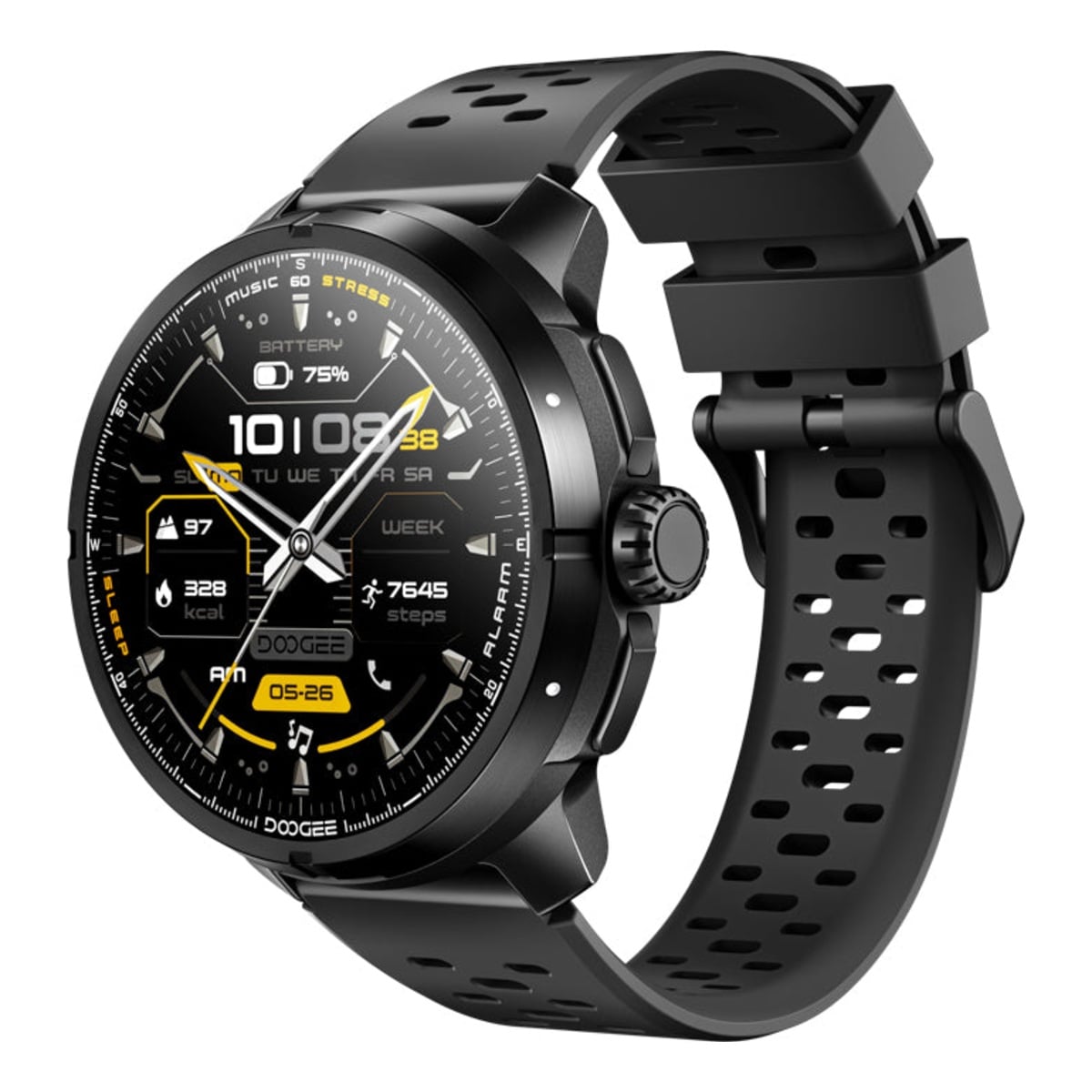
VS
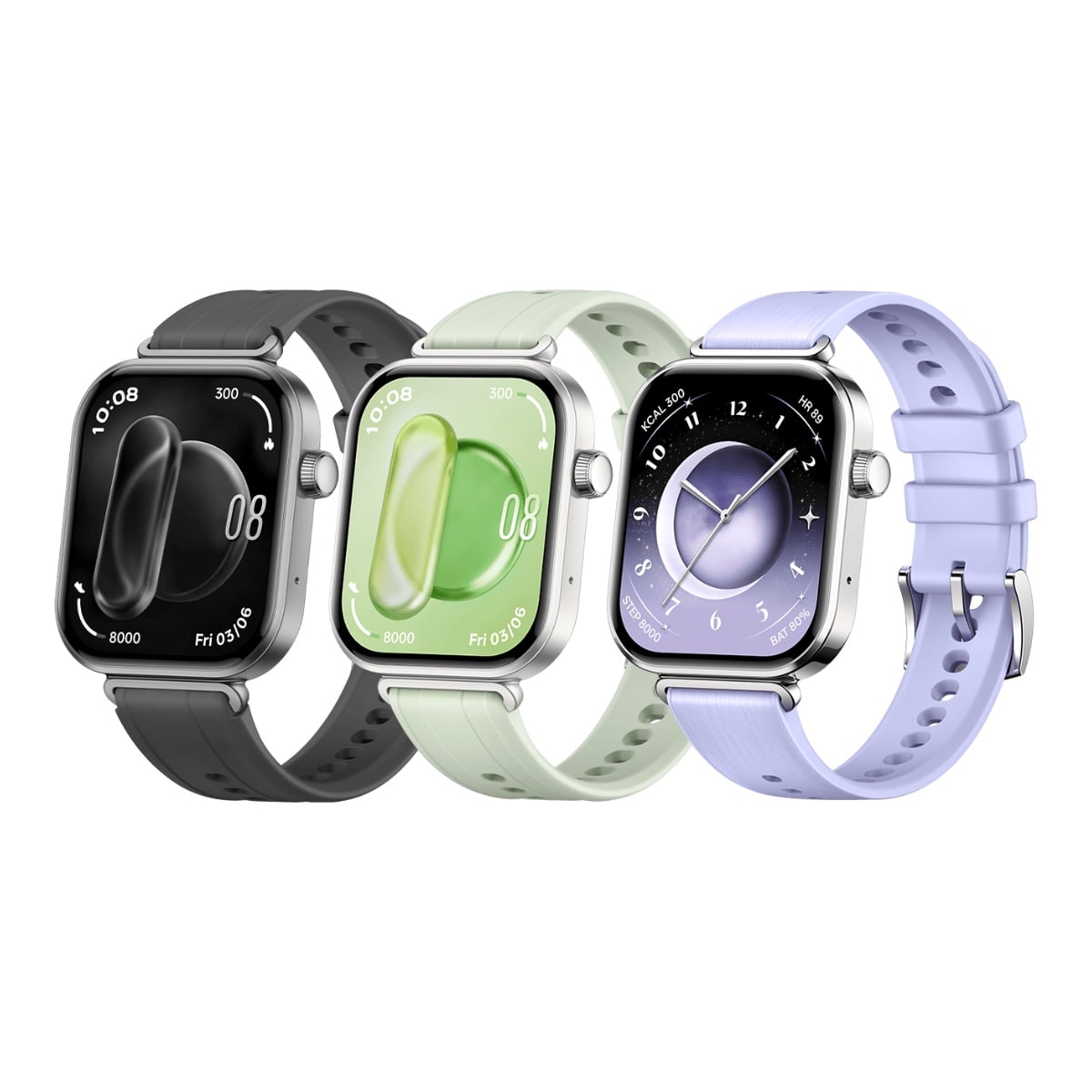
How They Compare
The Doogee Anymoving M1 Pro and Oppo Watch 5 sit in the same category, and this page sets their published specifications side by side. The Oppo Watch 5 is the cheaper of the two at $134 versus $219, a difference of about $85. The pros lists below lead with — Doogee Anymoving M1 Pro: Up to 30 days of battery in standard use; Oppo Watch 5: Light at 25 g and thin at 9.2 mm. Use the side-by-side spec table below to compare battery, connectivity, health & sensors and body in detail and decide which one fits your priorities.
Still deciding? Tell the Advisor what you need →
Who Should Buy
Buy the Doogee Anymoving M1 Pro if…
- →Up to 30 days of battery in standard use
- →Dual-band GNSS with GPX import and Track Back
- →1,000-nit AMOLED stays readable outdoors
Buy the Oppo Watch 5 if…
- →Light at 25 g and thin at 9.2 mm
- →Very bright AMOLED up to 3,000 nits
- →Built-in GPS and NFC
Pros & Cons
Doogee Anymoving M1 Pro
Pros
- Up to 30 days of battery in standard use
- Dual-band GNSS with GPX import and Track Back
- 1,000-nit AMOLED stays readable outdoors
- 5ATM and IP68 rated
- VO2 max and training load without a subscription
Cons
- Doogee software and app polish lag the major watch brands
- No cellular or offline music storage
- Heavy GPS use drops runtime to about four days
- Third-party app support is essentially nonexistent
Oppo Watch 5
Pros
- Light at 25 g and thin at 9.2 mm
- Very bright AMOLED up to 3,000 nits
- Built-in GPS and NFC
- About a week of typical battery life
Cons
- No eSIM or Wi-Fi
- Single-band GPS only
- No third-party app support
- NFC payments are China-only
Full Specifications
| Spec | Doogee Anymoving M1 Pro | Oppo Watch 5 |
|---|---|---|
| Body | ||
| Colors | Black, Gray, Blue | Purple, White, Green, Orange, Black |
| Water resistance | 5ATM, IP68 | 5 ATM, IP69 and IP69K |
| Model | — | OWW266 |
| Weight | — | About 25 g without band (42 to 46 g with band) |
| Dimensions | — | 42.00 x 37.27 x 9.20 mm |
| Form factor | — | Rectangular |
| Case material | — | Aluminium alloy |
| Health & Sensors | ||
| Metrics | VO2 max, training load | — |
| Sports Modes | 170 plus | 100+, with FatMax fat-burn training mode |
| ECG | — | No |
| SpO₂ | — | Yes |
| Stress | — | Yes |
| Skin temperature | — | Yes (wrist), used for cycle prediction |
| Heart rate | — | Yes, with high, low and irregular rhythm alerts |
| Sleep tracking | — | Yes, with sleep breathing rate and snoring risk assessment |
| Battery | ||
| Battery life | up to 30 days | 7 days typical, up to 10 days, 3 days with always-on display |
| Heavy GPS Use | about 4 days | — |
| Always On Display | about 7 days | — |
| Capacity | — | 351 mAh |
| Charging | — | Magnetic dock, about 2.5 W, about 90 minutes |
| Navigation | ||
| Features | GPX offline route import, Track Back | — |
| Connectivity | ||
| GPS | dual-band | Single-band L1: BeiDou, GPS, Galileo, GLONASS, QZSS |
| NFC | — | Yes (payments and transit in China) |
| Esim | — | No |
| Wi-Fi | — | No |
| Speaker | — | Yes |
| Bluetooth | — | 5.2 |
| Software | — | ColorOS Watch 17 (Android 10+ and iOS 16+ phones) |
| Display | ||
| Size | — | 1.85 inches |
| Type | — | AMOLED |
| Glass | — | Gorilla Glass 5 |
| Resolution | — | 390 x 450 pixels (322 ppi) |
| Brightness (nits) | — | 600 typical, 1,500 outdoors, 3,000 peak in outdoor workouts |
Want to compare a third product?
Add another product for a 3-way comparison.
Related Comparisons
Spec data verified from manufacturer sources. The summary above is generated from those spec sheets and has not been editorially reviewed. How we compare · Last verified
Explore more in smartwatches, see all Doogee products or all OPPO products. View full details for the Doogee Anymoving M1 Pro or the Oppo Watch 5.