Dell XPS 14 (2023) vs Razer Blade 16 (2024)
The Verdict
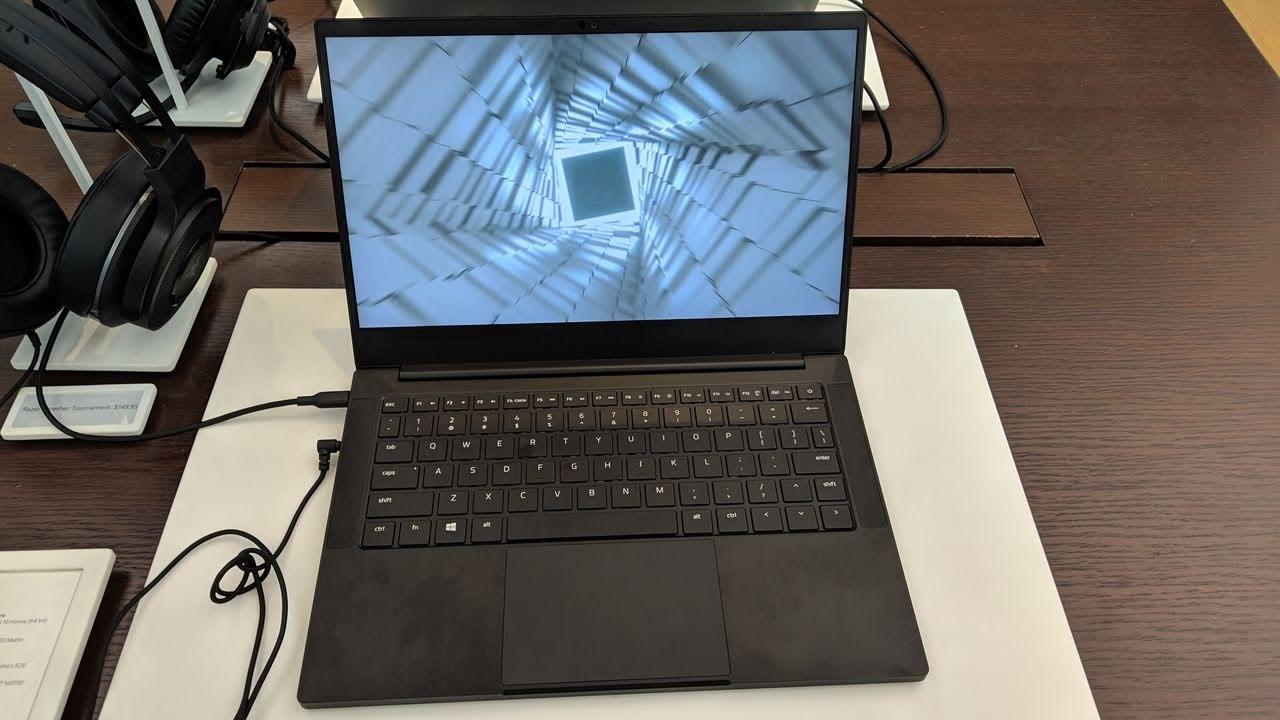
Dell XPS 14 and Razer Blade 16 target different user priorities. XPS 14 delivers excellent portability at 1.68 kg with a sharp 2560x1600 IPS display, Intel i7-13620H, and impressive 13-hour battery life. Razer Blade 16 commands double the price with a larger 16-inch 240Hz OLED screen, superior i9-14900HX processor with 32GB DDR5 RAM, and 1TB storage, but weighs 2.45 kg and offers only 6 hours of battery. For professionals prioritizing mobility and all-day productivity, XPS 14 excels with better value and practicality. Razer Blade 16 suits creative professionals and gamers who need raw performance and a premium OLED display despite the weight penalty and poor battery efficiency. XPS 14 wins for most users due to superior battery life, lighter chassis, and exceptional value proposition.
Who Should Buy
Buy the Dell XPS 14 (2023) if…
- →120Hz display is smooth and responsive for everyday work
- →Thunderbolt 4 ports support fast external displays and storage
- →Solid build quality with premium aluminum and carbon fiber
Buy the Razer Blade 16 (2024) if…
- →Top-tier RTX 40-series GPU options up to RTX 4090
- →Gorgeous QHD+ 240Hz OLED display
- →Premium CNC aluminum chassis with slim profile
Category Scores
Pros & Cons
Dell XPS 14 (2023)
Pros
- 120Hz display is smooth and responsive for everyday work
- Thunderbolt 4 ports support fast external displays and storage
- Solid build quality with premium aluminum and carbon fiber
- Good 69.5 Wh battery capacity for the form factor
- Optional OLED display upgrade for creative professionals
Cons
- Fan noise is noticeable under sustained workloads
- No USB-A ports may require dongles
- 1.68 kg is heavier than ultrabook competitors
- Webcam quality is average for the price
- Soldered RAM cannot be upgraded after purchase
Razer Blade 16 (2024)
Pros
- Top-tier RTX 40-series GPU options up to RTX 4090
- Gorgeous QHD+ 240Hz OLED display
- Premium CNC aluminum chassis with slim profile
- Comprehensive port selection including SD card and HDMI 2.1
Cons
- Very expensive even at base configuration
- Battery life is short under any real workload
- Runs hot and loud during gaming sessions
- Heavy for a 16-inch laptop intended to be portable
Full Specifications
| Spec | Dell XPS 14 (2023) | Razer Blade 16 (2024) |
|---|---|---|
| Software | Windows 11 Pro | Windows 11 Home |
| Body | ||
| Weight | 1.68 kg | 2.45 kg |
| Material | Aluminum and carbon fiber | CNC aluminum unibody |
| Dimensions | 319 x 226 x 18.0 mm | 355 x 235 x 21.99 mm |
| Ports | ||
| USB-C ports | 1 | 2 |
| SD card | ||
| Thunderbolt ports | 2 | 2 |
| HDMI | — | 1 |
| USB-A ports | — | 3 |
| Battery | ||
| Battery life | Up to 13 hours | Up to 6 hours |
| Capacity | 69.5 Wh | 95.2 Wh |
| Display | ||
| Size | 14.5 inches | 16 inches |
| Type | IPS LCD (OLED optional) | OLED |
| Resolution | 2560 x 1600 | 2560 x 1600 |
| Refresh rate | 120Hz | 240Hz |
| Brightness (nits) | 500 | 400 |
| Storage | ||
| SSD | 512 GB NVMe PCIe 4.0 | 1 TB |
| Expandable storage | ||
| Keyboard | ||
| Backlit | ||
| Processor | ||
| RAM | 16 GB LPDDR5 | 32 GB DDR5 |
| Cores | 10-core (6P + 4E) | 24 cores |
| Chipset | 13th Gen Intel Core i7-13620H | Intel Core i9-14900HX |
Related Comparisons
This comparison is based on verified manufacturer specifications covering display, performance, camera, battery, and build quality. Scores are generated by analyzing specs across weighted categories on a 10-point scale. Learn more about our methodology.
Explore more in laptops, see all Dell products or all Razer products. View full details for the Dell XPS 14 (2023) or the Razer Blade 16 (2024).