Dell Alienware m18 vs Valve Steam Deck OLED
The Verdict
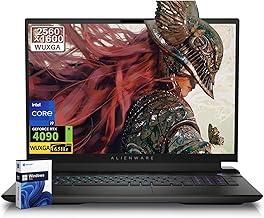
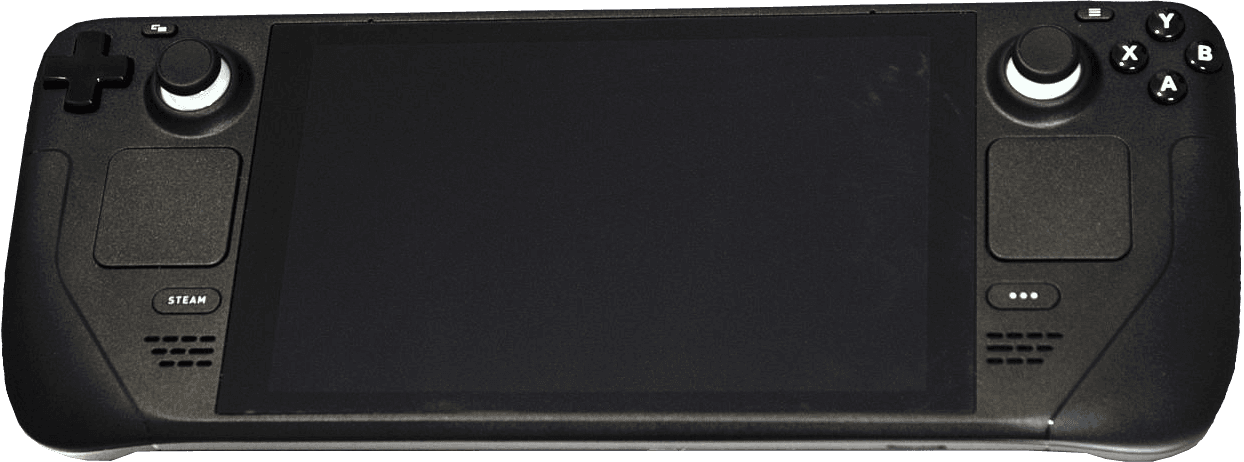
Comparing these devices reveals fundamentally different purposes despite both being categorized as laptops. Dell's Alienware m18 is a premium gaming and workstation laptop featuring an Intel Core i9-13980HX processor with 32GB DDR5 RAM, delivering exceptional performance for AAA gaming, content creation, and professional work. Its 18-inch 165Hz IPS display with 2560x1600 resolution provides sharp visuals, though the 5-hour battery life reflects its desktop-replacement nature. Valve's Steam Deck OLED operates in an entirely different segment as a portable handheld gaming device with a custom AMD APU and modest 4-core CPU. Its standout feature is the brilliant 7.4-inch HDR OLED display with 1000 nits brightness, offering superior color accuracy and contrast for its size. Battery life ranges from 3-12 hours depending on usage intensity. Performance-wise, the Alienware vastly outpowers the Steam Deck for demanding applications, while the Deck excels at portable gaming library access. For productivity work, content creation, or competitive gaming, the Alienware m18 is the clear choice. For lightweight gaming and content consumption on the go, the Steam Deck OLED's $549 price point offers exceptional portability and value.
Who Should Buy
Buy the Dell Alienware m18 if…
- →Massive 18-inch QHD+ 165Hz display is immersive for gaming
- →RTX 4090 Laptop GPU option for desktop-class gaming performance
- →i9-13980HX is one of the fastest mobile processors available
Buy the Valve Steam Deck OLED if…
- →Gorgeous HDR OLED display with 1000-nit peak brightness and true blacks
- →90Hz refresh rate is noticeably smoother than the original LCD model
- →Access to entire Steam library with Proton compatibility layer
Category Scores
Pros & Cons
Dell Alienware m18
Pros
- Massive 18-inch QHD+ 165Hz display is immersive for gaming
- RTX 4090 Laptop GPU option for desktop-class gaming performance
- i9-13980HX is one of the fastest mobile processors available
- Full-size keyboard with numpad and per-key RGB lighting
- Excellent thermal design with Cryo-Tech cooling keeps temps in check
Cons
- Almost 9 lbs — this is essentially a desktop replacement
- 5-hour battery life means the charger is mandatory
- Power brick is enormous and heavy
- 300-nit display brightness is dim for a premium gaming laptop
- Extremely expensive with high-end GPU configurations
Valve Steam Deck OLED
Pros
- Gorgeous HDR OLED display with 1000-nit peak brightness and true blacks
- 90Hz refresh rate is noticeably smoother than the original LCD model
- Access to entire Steam library with Proton compatibility layer
- 50 Wh battery provides 30-50% more playtime than LCD model
- Wi-Fi 6E and Bluetooth 5.3 are significant connectivity upgrades
Cons
- 1280 x 800 resolution limits sharpness on the 7.4-inch display
- 640 g is heavy for extended handheld gaming sessions
- Zen 2 CPU is aging and struggles with the latest AAA titles at high settings
- Battery life as low as 3 hours in demanding games
- No built-in kickstand for tabletop or docked play
Full Specifications
| Spec | Dell Alienware m18 | Valve Steam Deck OLED |
|---|---|---|
| Software | Windows 11 Home | SteamOS 3.0 (Arch-based Linux) |
| Body | ||
| Weight | 8.99 lbs (4.08 kg) | 640 g |
| Material | Aluminum and magnesium alloy | Plastic chassis with aluminum brackets |
| Dimensions | 16.19 x 12.41 x 1.05 inches | 298 x 117 x 49 mm |
| Ports | ||
| HDMI | — | |
| USB-A ports | 3 | — |
| USB-C ports | 2 | 1 |
| SD card | — | |
| Thunderbolt ports | 1 | — |
| Microsd | — | |
| Headphone Jack | — | |
| Battery | ||
| Battery life | Up to 5 hours | 3-12 hours (game dependent) |
| Capacity | 97 Wh | 50 Wh |
| Display | ||
| Size | 18 inches | 7.4 inches |
| Type | IPS | HDR OLED |
| Resolution | 2560 x 1600 | 1280 x 800 |
| Refresh rate | 165Hz | 90Hz |
| Brightness (nits) | 300 | 1000 |
| Storage | ||
| SSD | 1 TB PCIe Gen 4 NVMe (dual slot) | — |
| Expandable storage | — | |
| Keyboard | ||
| Backlit | — | |
| Processor | ||
| RAM | 32 GB DDR5 | 16 GB LPDDR5 (6400 MT/s) |
| Cores | 24 cores (8P + 16E) | 4-core CPU, 8-core RDNA 2 GPU |
| Chipset | Intel Core i9-13980HX (13th Gen) | AMD custom APU (Zen 2, 4-core / 8-thread, 2.4-3.5 GHz) |
| Memory | ||
| Storage options | — | 512 GB NVMe SSD, 1 TB NVMe SSD |
| Connectivity | ||
| Wi-Fi | — | Wi-Fi 6E |
| Bluetooth | — | 5.3 |
Related Comparisons
- Valve Steam Deck OLED vs Samsung Galaxy Book5 Pro
- Valve Steam Deck OLED vs Samsung Galaxy Book4 Ultra
- Valve Steam Deck OLED vs Samsung Galaxy Book4 Pro 360
- Valve Steam Deck OLED vs Samsung Galaxy Book4 Pro
- Valve Steam Deck OLED vs Samsung Galaxy Book4 360
- Valve Steam Deck OLED vs Samsung Galaxy Book3 Ultra
This comparison is based on verified manufacturer specifications covering display, performance, camera, battery, and build quality. Scores are generated by analyzing specs across weighted categories on a 10-point scale. Learn more about our methodology.
Explore more in laptops, see all Dell products or all Valve products. View full details for the Dell Alienware m18 or the Valve Steam Deck OLED.
Press ? for keyboard shortcuts