Bose Ultra Open Earbuds vs Grado Signature S150

How They Compare
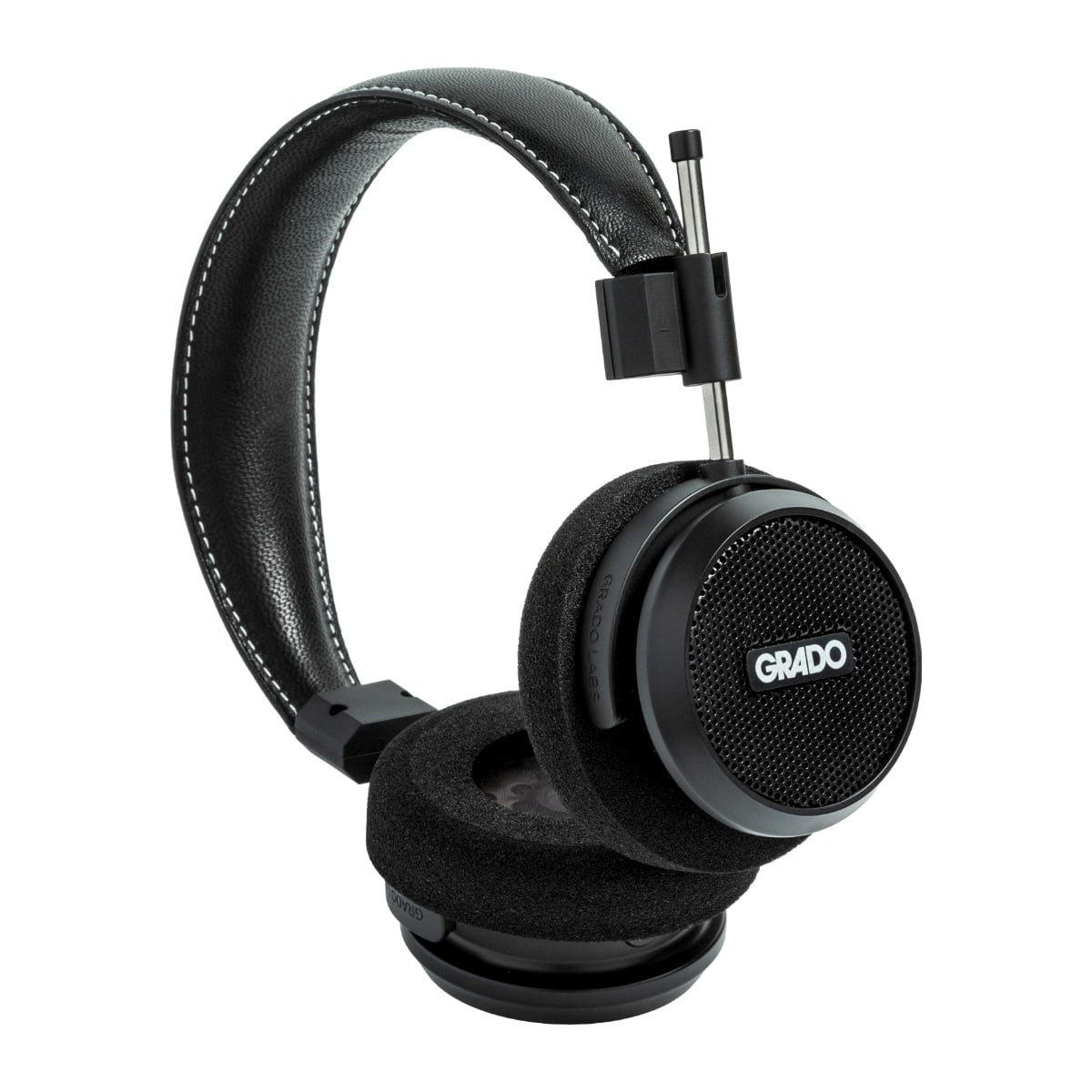
The Bose Ultra Open Earbuds and Grado Signature S150 sit in the same category and end up appealing to slightly different buyers. Both launched at roughly the same price ($299 vs $295), so cost is unlikely to be the deciding factor. The spec table below ranks 4 of their differences, and they do not all point the same way — the Bose Ultra Open Earbuds wins 3 of them and the Grado Signature S150 1. The Grado Signature S150 is the newer of the two, released in 2026 against 2024. The pros lists below lead with — Bose Ultra Open Earbuds: Unique cuff design is extremely comfortable for all-day wear; Grado Signature S150: Grado publishes the full measurement set: 16 Hz to 34 kHz, 104 dB SPL at 1 mW and 38 ohms. Use the side-by-side spec table below to compare drivers, active noise cancelling, battery and connectivity in detail and decide which one fits your priorities.
Who Should Buy
Buy the Bose Ultra Open Earbuds if…
- →Unique cuff design is extremely comfortable for all-day wear
- →Bose OpenAudio delivers remarkably full sound for open earbuds
- →Wireless charging case adds convenience
Buy the Grado Signature S150 if…
- →Grado publishes the full measurement set: 16 Hz to 34 kHz, 104 dB SPL at 1 mW and 38 ohms
- →The Signature Bronze cable detaches at the earcups, so a worn cable is replaceable
- →A 220 g single-piece housing on Grado's updated Signature headband assembly
Pros & Cons
Bose Ultra Open Earbuds
Pros
- Unique cuff design is extremely comfortable for all-day wear
- Bose OpenAudio delivers remarkably full sound for open earbuds
- Wireless charging case adds convenience
- Multipoint and aptX Adaptive for high-quality streaming
- Ideal for situational awareness during outdoor activities
Cons
- Very expensive at $299 for earbuds without ANC
- Bass is inherently limited compared to sealed designs
- 7.5-hour battery is decent but not exceptional
- Sound leak is noticeable in quiet environments
Grado Signature S150
Pros
- Grado publishes the full measurement set: 16 Hz to 34 kHz, 104 dB SPL at 1 mW and 38 ohms
- The Signature Bronze cable detaches at the earcups, so a worn cable is replaceable
- A 220 g single-piece housing on Grado's updated Signature headband assembly
Cons
- Open-back by design, so it isolates nothing and leaks in both directions
- No Bluetooth and no battery — a wired source is the only input
Full Specifications
| Spec | Bose Ultra Open Earbuds | Grado Signature S150 |
|---|---|---|
| Active Noise Cancelling | ||
| Type | in-ear | wired open-back headphones |
| Weight | 6.5 g (each) | 220 g |
| Battery | ||
| Battery life | 7.5 hrs | — |
| Charging | USB-C, wireless charging (Qi) | — |
| Total with case | Up to 27 hrs | — |
| Present | Not stated | |
| Drivers | Bose OpenAudio technology | 44 mm S driver with a paper-composite diaphragm |
| Features | Cuff-style design clips onto the ear, Bose Immersive Audio with head tracking, OpenAudio directional sound technology, Multipoint Bluetooth pairing, Wireless charging case, Customizable EQ via Bose Music app | Dynamic transducer, open-air operating principle, Driver matching to 0.05 dB |
| Connectivity | ||
| Wired option | ||
| Codecs | aptX Adaptive, AAC, SBC | — |
| Bluetooth | 5.3 | None (wired only) |
| Multipoint | ||
| Water Resistance | IPX4 | — |
| Thd | — | Under 0.3% at 100 dB |
| Cable | — | Signature Bronze detachable, dual 3.5 mm mini at the headphones, 3.5 mm source plug with a 6.3 mm adapter |
| Ear Pads | — | F Cushion |
| Impedance | — | 38 ohms |
| Sensitivity | — | 104 dB SPL at 1 mW |
| Frequency Response | — | 16 Hz to 34 kHz |
Want to compare a third product?
Add another product for a 3-way comparison.
Related Comparisons
- Bose Ultra Open Earbuds vs Sony WH-1000XM3
- Bose Ultra Open Earbuds vs Shokz OpenRun Pro 2
- Bose Ultra Open Earbuds vs Bose QuietComfort Ultra Headphones (2nd Gen)
- Bose Ultra Open Earbuds vs Apple AirPods 4 (with Active Noise Cancellation)
- Bose Ultra Open Earbuds vs Sennheiser Momentum 4 Wireless
- Bose Ultra Open Earbuds vs Moto Buds 2 Plus
Explore more in headphones, see all Bose products or all Grado products. View full details for the Bose Ultra Open Earbuds or the Grado Signature S150.