Bose Ultra Open Earbuds (2nd Gen) vs Sony MDR-3R
How They Compare
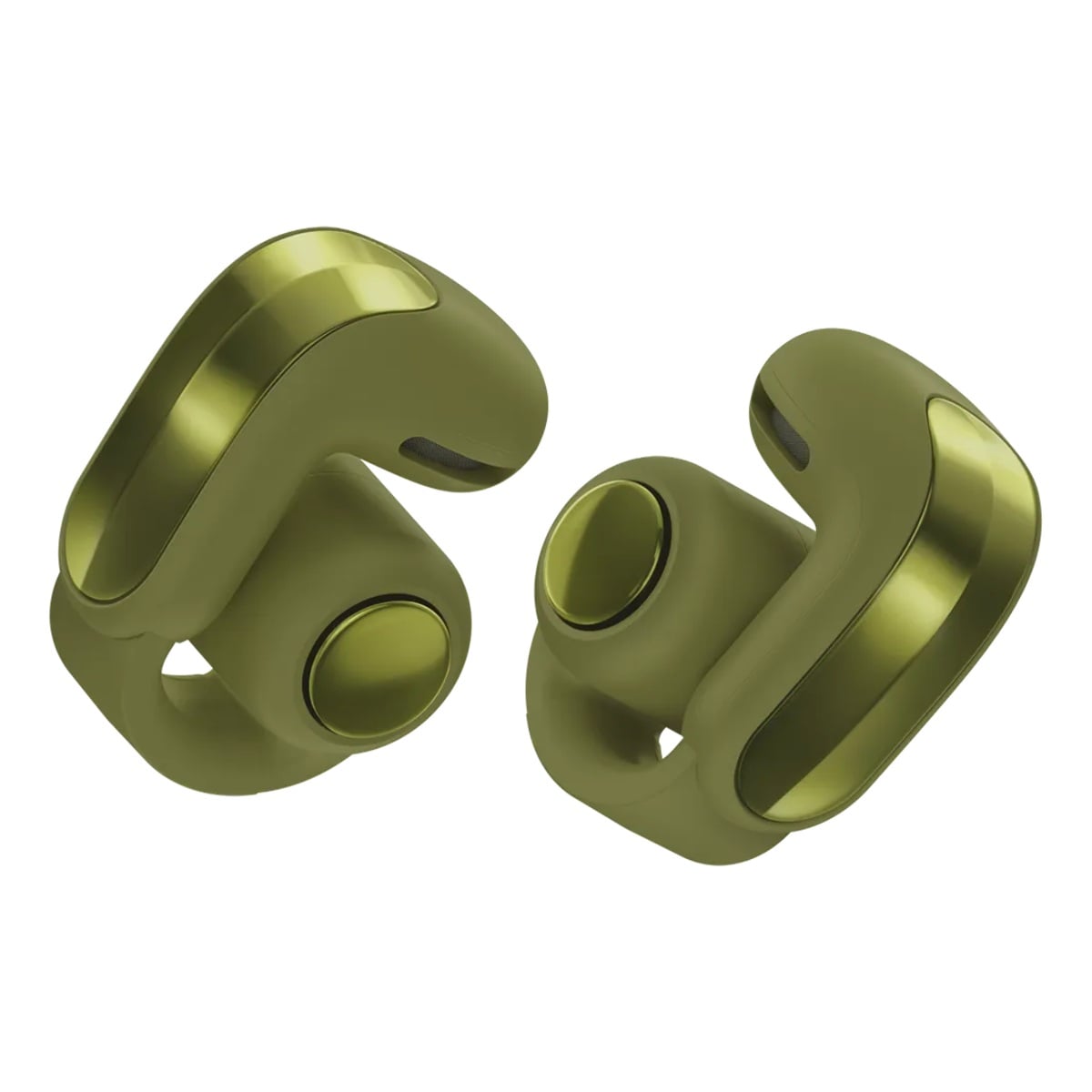
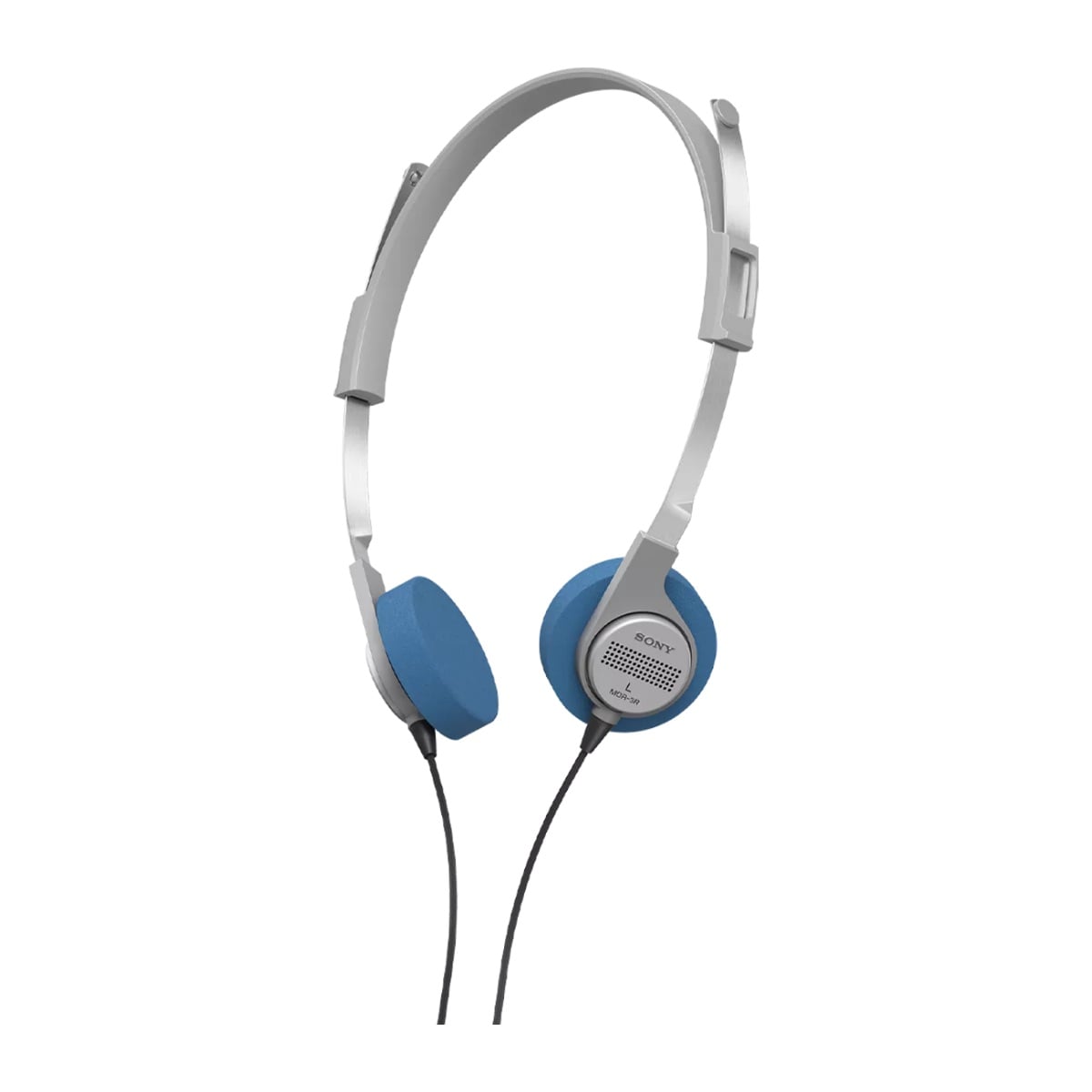
The Bose Ultra Open Earbuds (2nd Gen) and Sony MDR-3R sit in the same category, and this page sets their published specifications side by side. The Sony MDR-3R is the cheaper of the two at $60 versus $299, a difference of about $239. The pros lists below lead with — Bose Ultra Open Earbuds (2nd Gen): New driver gives noticeably deeper bass than the first generation; Sony MDR-3R: USB-C connectivity is more universal and convenient than older 3.5mm-only or proprietary wired standards. Use the side-by-side spec table below to compare battery and connectivity in detail and decide which one fits your priorities.
Who Should Buy
Buy the Bose Ultra Open Earbuds (2nd Gen) if…
- →New driver gives noticeably deeper bass than the first generation
- →Cinema Mode with TrueSpatial widens the soundstage for video
- →Snapdragon Sound and aptX Adaptive for higher-quality Android playback
Buy the Sony MDR-3R if…
- →USB-C connectivity is more universal and convenient than older 3.5mm-only or proprietary wired standards
- →Built-in microphone and volume knob add hands-free and playback control without extra hardware
- →Retro-inspired design aesthetic stands out in a market crowded with generic-looking wired headphones
Pros & Cons
Bose Ultra Open Earbuds (2nd Gen)
Pros
- New driver gives noticeably deeper bass than the first generation
- Cinema Mode with TrueSpatial widens the soundstage for video
- Snapdragon Sound and aptX Adaptive for higher-quality Android playback
- Wireless charging case is new to this generation
- 9 hours a charge, up from the original
Cons
- 299 dollars with no noise cancelling of any kind
- Open-ear design leaks sound to people nearby
- aptX Adaptive needs a compatible Android phone, so iPhone users miss out
- Cuff fit is polarising and does not suit every ear
- Bass is improved but still limited by the open format
Sony MDR-3R
Pros
- USB-C connectivity is more universal and convenient than older 3.5mm-only or proprietary wired standards
- Built-in microphone and volume knob add hands-free and playback control without extra hardware
- Retro-inspired design aesthetic stands out in a market crowded with generic-looking wired headphones
Cons
- No active noise cancellation at a $60 price point where some competitors offer basic ANC
- Wired-only with no Bluetooth option limits use with devices that lack a USB-C audio output
Full Specifications
| Spec | Bose Ultra Open Earbuds (2nd Gen) | Sony MDR-3R |
|---|---|---|
| Body | ||
| Design | cuff with refined metallic cap and beveled finish | — |
| Type | open-ear cuff, true wireless | over-ear headphones |
| Audio | ||
| Spatial | Cinema Mode with Bose TrueSpatial | — |
| Call Tech | Bose SpeechClarity | — |
| Colors | Black, White Smoke, Cherry Chocolate, Olive Green, Sky Pink (limited edition) | — |
| Battery | ||
| Battery life | Up to 9 hrs (earbuds) | — |
| Total with case | Up to 28.5 hrs | — |
| Wireless Charging Case | Not stated | |
| Present | Not stated | |
| Drivers | newly engineered, deeper bass and higher volume | — |
| Controls | ||
| Shortcuts | Spotify Tap, voice assistant, Immersive Audio cycling | — |
| Availability | ||
| Preorder | 19 September 2026 | — |
| Released | 1 October 2026 | — |
| Connectivity | ||
| Codecs | SBC, AAC, aptX Adaptive | — |
| Wired option | — | USB-C |
| Active Noise Cancelling | — | none |
| Features | — | built-in microphone, volume knob |
Want to compare a third product?
Add another product for a 3-way comparison.
Related Comparisons
- Bose Ultra Open Earbuds (2nd Gen) vs Bose QuietComfort 45
- Bose Ultra Open Earbuds (2nd Gen) vs Bose QuietComfort Earbuds II
- Bose Ultra Open Earbuds (2nd Gen) vs Bose QuietComfort 35 II
- Bose Ultra Open Earbuds (2nd Gen) vs Bose QuietComfort Ultra Headphones
- Bose Ultra Open Earbuds (2nd Gen) vs Bose QuietComfort Ultra Headphones (2nd Gen)
- Bose Ultra Open Earbuds (2nd Gen) vs Sony WH-1000XM6
Explore more in headphones, see all Bose products or all Sony products. View full details for the Bose Ultra Open Earbuds (2nd Gen) or the Sony MDR-3R.