Bose QuietComfort Headphones (2nd Gen) vs Grado Signature S150
How They Compare
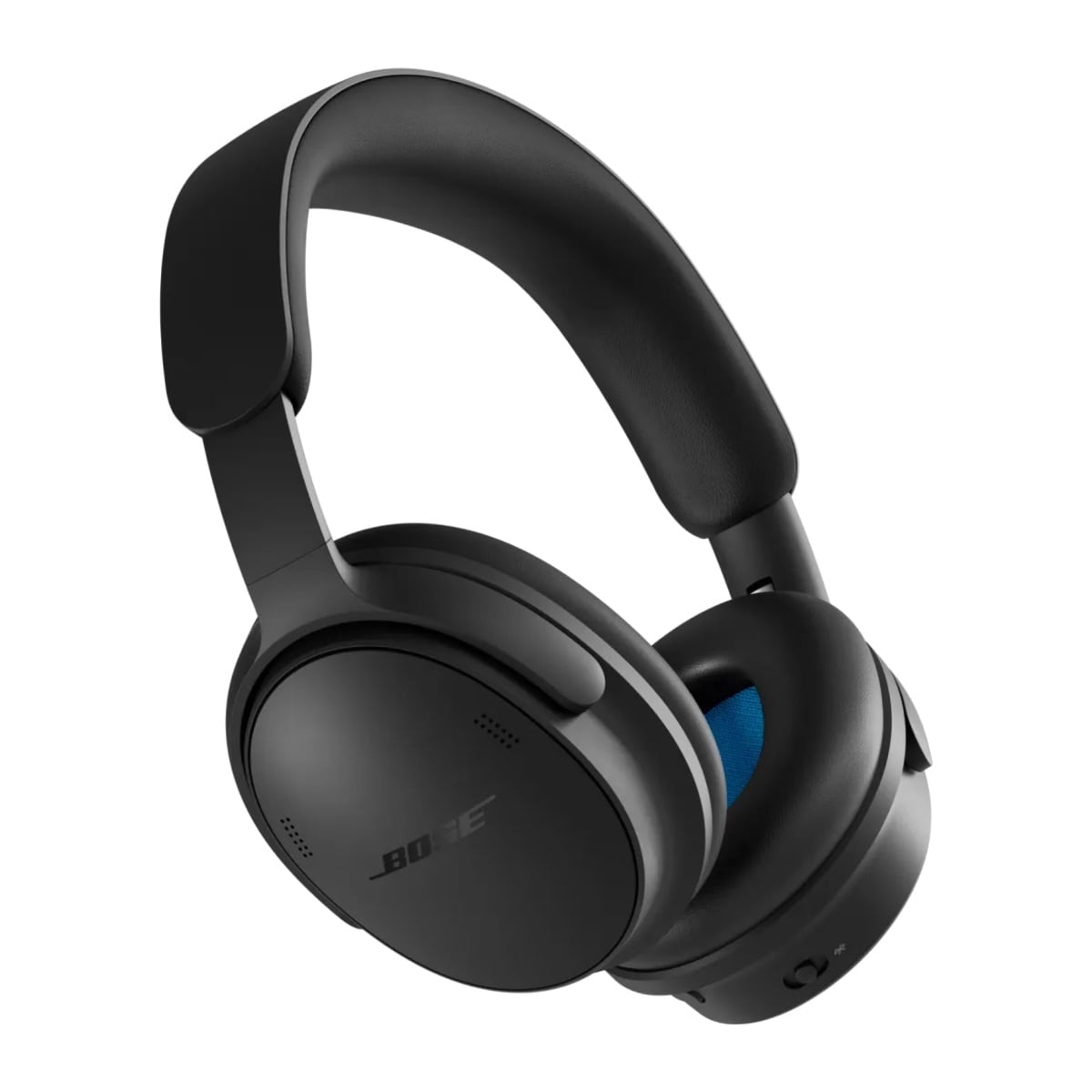
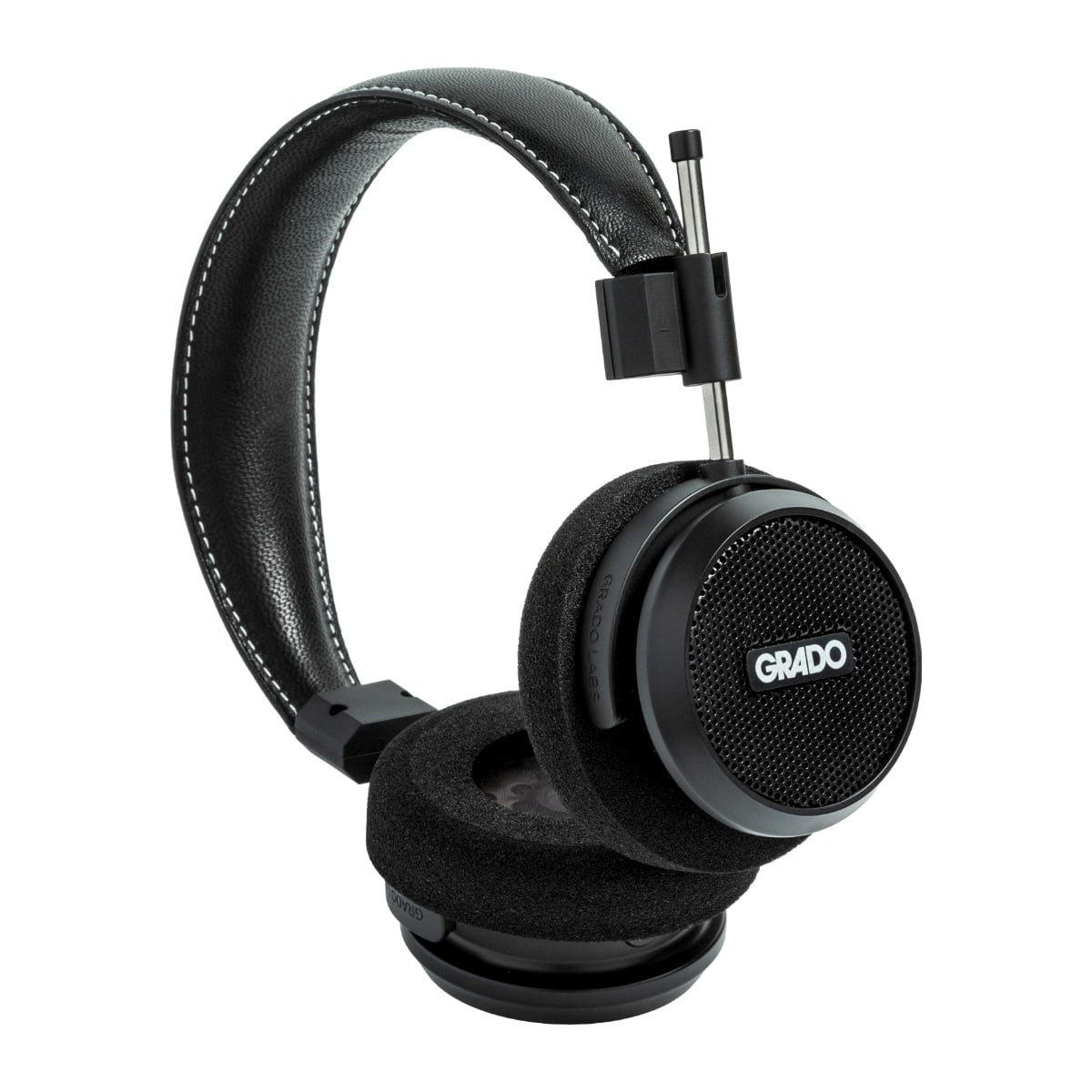
The Bose QuietComfort Headphones (2nd Gen) and Grado Signature S150 sit in the same category, and on the specifications this page can rank they do not come out level. The Grado Signature S150 is the cheaper of the two at $295 versus $359, a difference of about $64. The spec table below ranks 2 of their differences, and every one of them goes to the Bose QuietComfort Headphones (2nd Gen) — including Bluetooth (5.3 vs None (wired only)). The pros lists below lead with — Bose QuietComfort Headphones (2nd Gen): Six-microphone ANC array delivers strong noise isolation for commuting and open offices; Grado Signature S150: Grado publishes the full measurement set: 16 Hz to 34 kHz, 104 dB SPL at 1 mW and 38 ohms. Use the side-by-side spec table below to compare active noise cancelling, battery and connectivity in detail and decide which one fits your priorities.
Who Should Buy
Buy the Bose QuietComfort Headphones (2nd Gen) if…
- →Six-microphone ANC array delivers strong noise isolation for commuting and open offices
- →Multipoint Bluetooth allows seamless switching between two paired devices
- →Foldable design with lightweight build makes it travel-friendly
Buy the Grado Signature S150 if…
- →Grado publishes the full measurement set: 16 Hz to 34 kHz, 104 dB SPL at 1 mW and 38 ohms
- →The Signature Bronze cable detaches at the earcups, so a worn cable is replaceable
- →A 220 g single-piece housing on Grado's updated Signature headband assembly
Pros & Cons
Bose QuietComfort Headphones (2nd Gen)
Pros
- Six-microphone ANC array delivers strong noise isolation for commuting and open offices
- Multipoint Bluetooth allows seamless switching between two paired devices
- Foldable design with lightweight build makes it travel-friendly
Cons
- Price-to-value ratio is harder to justify against competing options at similar tiers
- No reported wired audio support limits use with in-flight entertainment systems lacking adapters
Grado Signature S150
Pros
- Grado publishes the full measurement set: 16 Hz to 34 kHz, 104 dB SPL at 1 mW and 38 ohms
- The Signature Bronze cable detaches at the earcups, so a worn cable is replaceable
- A 220 g single-piece housing on Grado's updated Signature headband assembly
Cons
- Open-back by design, so it isolates nothing and leaks in both directions
- No Bluetooth and no battery — a wired source is the only input
Full Specifications
| Spec | Bose QuietComfort Headphones (2nd Gen) | Grado Signature S150 |
|---|---|---|
| Active Noise Cancelling | active noise cancellation with six-microphone array | |
| Type | wireless headphones | wired open-back headphones |
| Battery | ||
| Battery life | up to 24 hours with ANC on | — |
| Present | Not stated | |
| Connectivity | ||
| Overview | Bluetooth 5.3, multipoint connection (2 devices) | — |
| Bluetooth | 5.3 | None (wired only) |
| Multipoint | ||
| Wired option | Not stated | |
| Codecs | — | — |
| Thd | — | Under 0.3% at 100 dB |
| Cable | — | Signature Bronze detachable, dual 3.5 mm mini at the headphones, 3.5 mm source plug with a 6.3 mm adapter |
| Weight | — | 220 g |
| Drivers | — | 44 mm S driver with a paper-composite diaphragm |
| Ear Pads | — | F Cushion |
| Features | — | Dynamic transducer, open-air operating principle, Driver matching to 0.05 dB |
| Impedance | — | 38 ohms |
| Sensitivity | — | 104 dB SPL at 1 mW |
| Frequency Response | — | 16 Hz to 34 kHz |
Want to compare a third product?
Add another product for a 3-way comparison.
Related Comparisons
- Bose QuietComfort Headphones (2nd Gen) vs Bose QuietComfort 45
- Bose QuietComfort Headphones (2nd Gen) vs Bose QuietComfort Ultra Headphones
- Bose QuietComfort Headphones (2nd Gen) vs Bose QuietComfort Earbuds II
- Bose QuietComfort Headphones (2nd Gen) vs Bose QuietComfort 35 II
- Bose QuietComfort Headphones (2nd Gen) vs Bose QuietComfort Ultra Headphones (2nd Gen)
- Bose QuietComfort Headphones (2nd Gen) vs Sony WH-1000XM6
Explore more in headphones, see all Bose products or all Grado products. View full details for the Bose QuietComfort Headphones (2nd Gen) or the Grado Signature S150.