Bose QuietComfort 35 II vs Samsung Galaxy Buds+

The Verdict
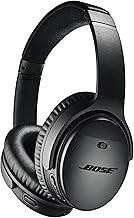
Bose QuietComfort 35 II and Samsung Galaxy Buds+ serve different use cases effectively. Bose delivers superior active noise cancellation with three adjustable levels and impressive 20-hour wireless battery life, making it ideal for frequent travelers and commuters seeking immersive, long-lasting listening. Samsung prioritizes portability and convenience with lightweight in-ear design, dual-driver audio tuned by AKG, and wireless charging capability. Sound quality differs notably: Bose emphasizes balanced, volume-optimized performance while Samsung's two-way drivers provide enhanced clarity and separation. Battery longevity favors Bose significantly, though Galaxy Buds+ offers competitive 11-hour per-charge endurance. At half the price, Samsung delivers impressive value for casual users prioritizing portability. However, Bose's legacy noise cancellation technology and superior wireless stamina make it the better choice for serious commuters willing to invest more.
Who Should Buy
Buy the Bose QuietComfort 35 II if…
- →Legendary Bose noise cancellation that set the industry standard
- →Extremely comfortable for all-day wear with plush ear cushions
- →20-hour battery life is solid for travel and commuting
Buy the Samsung Galaxy Buds+ if…
- →11-hour battery life per charge is outstanding for true wireless
- →Two-way speaker system produces rich, detailed audio
- →Three microphones per earbud deliver excellent call quality
Category Scores
Pros & Cons
Bose QuietComfort 35 II
Pros
- Legendary Bose noise cancellation that set the industry standard
- Extremely comfortable for all-day wear with plush ear cushions
- 20-hour battery life is solid for travel and commuting
- Dedicated Google Assistant button for quick voice commands
- Foldable design and included hard case for portability
Cons
- Bluetooth 4.2 lacks modern codecs like aptX and LDAC
- Micro-USB charging port is outdated — not USB-C
- Sound quality is beaten by newer XM4 and XM5 models
- No multipoint Bluetooth for connecting two devices simultaneously
- Plastic build shows wear over time
Samsung Galaxy Buds+
Pros
- 11-hour battery life per charge is outstanding for true wireless
- Two-way speaker system produces rich, detailed audio
- Three microphones per earbud deliver excellent call quality
- Wireless charging case at no extra premium
- Compact and comfortable for extended listening sessions
Cons
- No active noise cancellation
- IPX2 rating barely covers light splashes
- Ambient Sound mode has noticeable white noise
- Touch controls can be overly sensitive and accidentally triggered
Full Specifications
| Spec | Bose QuietComfort 35 II | Samsung Galaxy Buds+ |
|---|---|---|
| Active Noise Cancelling | ||
| Type | over-ear | in-ear |
| Weight | 235 g | 6.3 g (each) |
| Battery | ||
| Battery life | 20 hrs (wireless with ANC), 40 hrs (wired with ANC) | 11 hrs (22 hrs total with case) |
| Charging | Micro-USB, 2.25 hrs for full charge, 15 min = 2.5 hrs playback | USB-C or Qi wireless |
| Drivers | 40mm Bose custom drivers | Two-way driver (11mm woofer + 6.5mm tweeter) |
| Features | Three levels of ANC (High, Low, Off), Google Assistant built-in (dedicated button), Bose AR (augmented reality) compatible, Volume-optimized EQ, Foldable design with carry case | Two-way dynamic speakers by AKG, Ambient Sound mode, 3 microphones per bud, Qi wireless charging, Galaxy Wearable app with EQ and touchpad settings |
| Connectivity | ||
| Wired option | ||
| Codecs | AAC, SBC | SBC, AAC, Samsung Scalable Codec |
| Bluetooth | 4.2 with NFC pairing | 5.0 |
| Multipoint | ||
| Water Resistance | None | IPX2 |
Related Comparisons
This comparison is based on verified manufacturer specifications covering display, performance, camera, battery, and build quality. Scores are generated by analyzing specs across weighted categories on a 10-point scale. Learn more about our methodology.
Explore more in headphones, see all Bose products or all Samsung products. View full details for the Bose QuietComfort 35 II or the Samsung Galaxy Buds+.