Audio-Technica ATH-CKD30C vs TH2
How They Compare
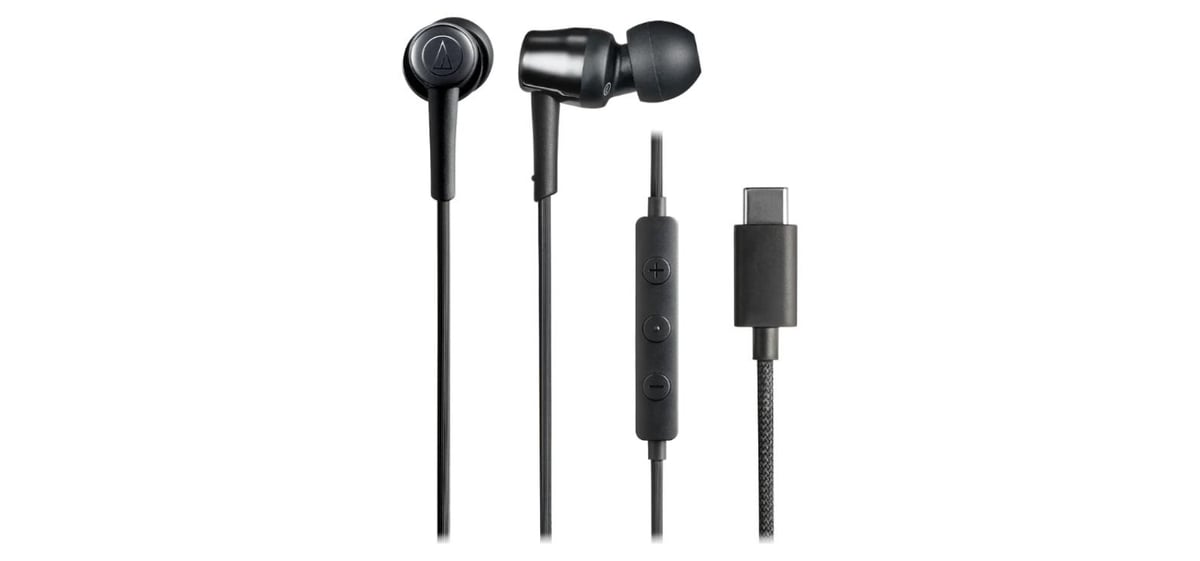
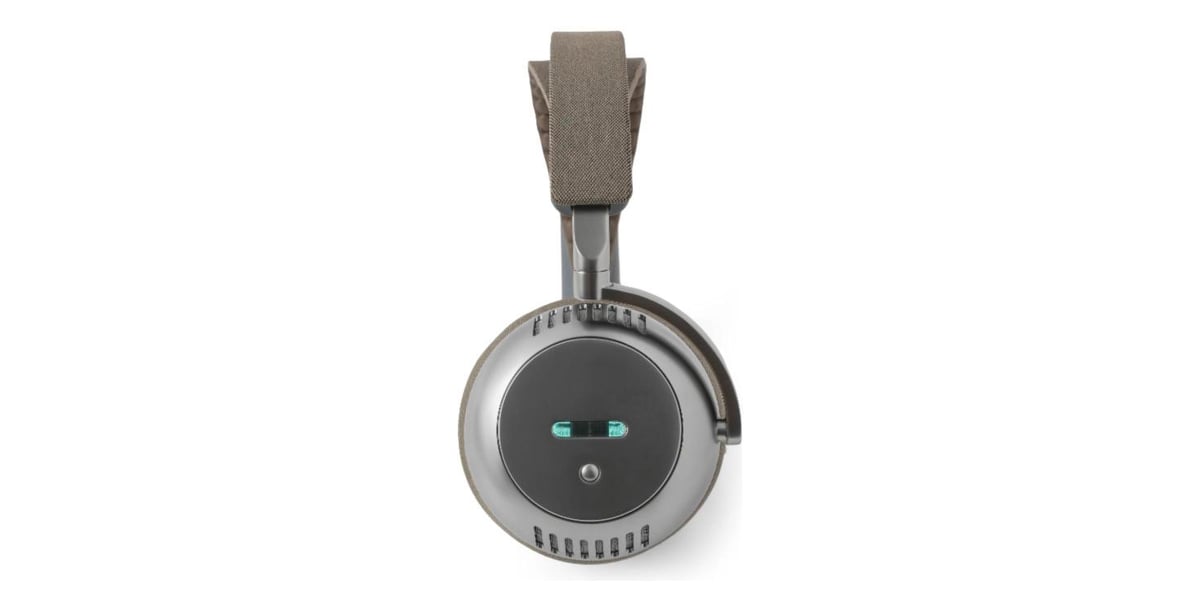
The Audio-Technica ATH-CKD30C and TH2 sit in the same category, and on the specifications this page can rank they do not come out level. The Audio-Technica ATH-CKD30C is the cheaper of the two at $25 versus $999, a difference of about $974. The spec table below ranks 2 of their differences, and every one of them goes to the TH2 — including drivers (40 mm titanium-coated Mylar dynamic vs 10 mm dynamic) and Bluetooth (5.3 vs None (wired only)). The pros lists below lead with — Audio-Technica ATH-CKD30C: Very low price for a built-in DAC; TH2: Real Nutube valve stage and dual-mono amplification in a wireless headphone. Use the side-by-side spec table below to compare drivers and connectivity in detail and decide which one fits your priorities.
Who Should Buy
Buy the Audio-Technica ATH-CKD30C if…
- →Very low price for a built-in DAC
- →No battery, no pairing and no latency
- →Two useful EQ presets switchable on the cable
Buy the TH2 if…
- →Real Nutube valve stage and dual-mono amplification in a wireless headphone
- →LDAC plus wired USB-C and 3.5 mm inputs
- →Hybrid ANC with transparency mode
Pros & Cons
Audio-Technica ATH-CKD30C
Pros
- Very low price for a built-in DAC
- No battery, no pairing and no latency
- Two useful EQ presets switchable on the cable
- Cloth wrapped cable resists tangling
- Handles up to 24-bit / 96 kHz files
Cons
- USB-C only, so no 3.5mm or Lightning compatibility
- No active noise cancelling and no companion app
- Fixed cable means a single failure point kills the product
- Draws power from the host, adding a small battery cost
TH2
Pros
- Real Nutube valve stage and dual-mono amplification in a wireless headphone
- LDAC plus wired USB-C and 3.5 mm inputs
- Hybrid ANC with transparency mode
- Parametric EQ app
Cons
- Heavy at 424 g
- Short 20-hour battery life for the price
- No aptX support
- Expensive at $999
Full Specifications
| Spec | Audio-Technica ATH-CKD30C | TH2 |
|---|---|---|
| Type | Wired USB-C in-ear with integrated DAC | Wireless over-ear headphones, closed back, with wired modes |
| Cable | 1.2 m Y-type, cloth-wrapped | — |
| Weight | About 5 g per earphone without cable | 424 g |
| Drivers | 10 mm dynamic | 40 mm titanium-coated Mylar dynamic |
| Controls | In-line playback, call and voice assistant controls | — |
| EQ Modes | Bass Boost and Clear Voice | — |
| Connector | USB Type-C | — |
| Impedance | 17 ohms | — |
| Microphone | Omnidirectional condenser, 100 to 10,000 Hz | — |
| Sensitivity | 105 dB/mW | — |
| Connectivity | ||
| Wired option | USB-C digital audio and 3.5 mm analog | |
| Codecs | — | SBC, AAC, LDAC |
| Bluetooth | None (wired only) | 5.3 |
| Multipoint | Not stated | |
| Microphone | — | Built-in, with Siri and Google Assistant support |
| Max Input Power | 100 mW | — |
| Supported Audio | Up to 24-bit / 96 kHz | — |
| Frequency Response | 5 to 25,000 Hz | 20 Hz to 20 kHz |
| Accessories And Colours | XS, S, M, L eartips; black or white | — |
| EQ | — | 8-band parametric EQ in the ecoute Tuning App |
| Active Noise Cancelling | — | Hybrid ANC (feedforward and feedback) with transparency mode |
| DAC | — | Built-in dual-core DAC, up to 32-bit / 384 kHz |
| Colors | — | Charcoal, Nickel, Gunmetal |
| Battery | ||
| Battery life | — | About 20 hours at maximum volume |
| Capacity | — | 1,600 mAh |
| Charging | — | USB-C, about 3.5 hours |
| Amplification | — | Korg Nutube 6P1 dual-triode valve preamp per channel, discrete Class A/B dual-mono amplifiers |
Want to compare a third product?
Add another product for a 3-way comparison.
Related Comparisons
- Audio-Technica ATH-CKD30C vs Apple AirPods Max (Lightning)
- Audio-Technica ATH-CKD30C vs Bose x Thom Browne QuietComfort Ultra Headphones (2nd Gen)
- Audio-Technica ATH-CKD30C vs FiiO FT15
- Audio-Technica ATH-CKD30C vs Aeon Core
- Audio-Technica ATH-CKD30C vs Spectrum II X5 Active BT
- Audio-Technica ATH-CKD30C vs iFi iDSD GR 2
Explore more in headphones, see all Audio-Technica products or all Écoute Audio products. View full details for the Audio-Technica ATH-CKD30C or the TH2.