ASUS Zenbook S 14 (2024) vs Samsung Galaxy Book5 Pro
The Verdict
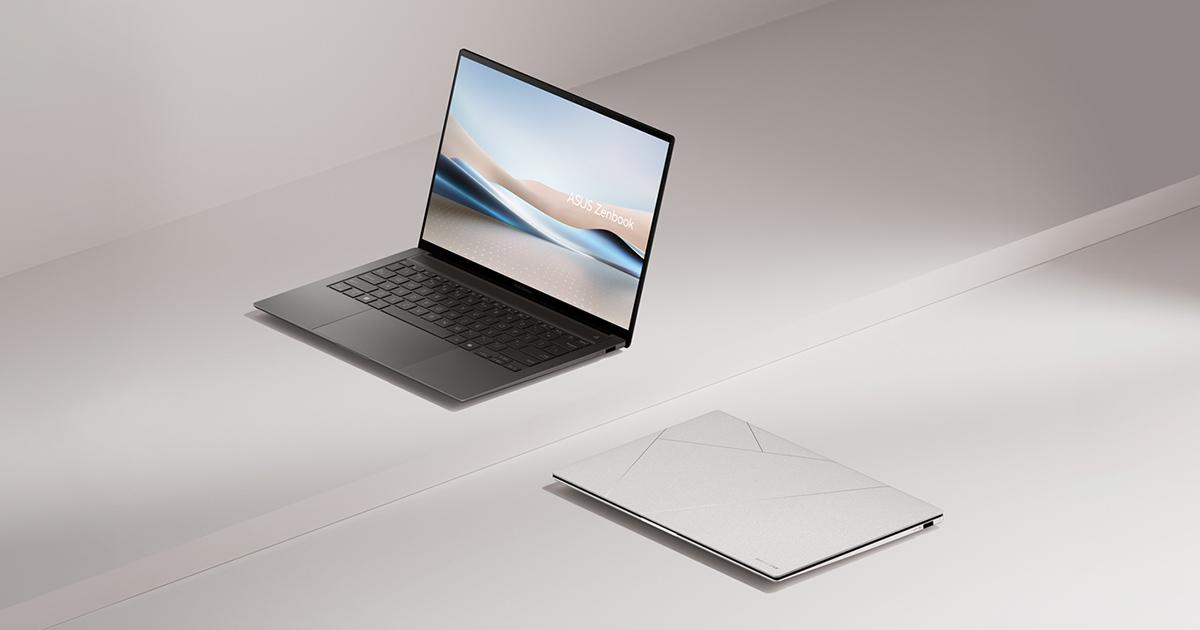
ASUS Zenbook S 14 excels in portability at 1.20kg with a premium Ceraluminum chassis and delivers a stunning 14-inch 3K OLED display (550 nits, 120Hz) that significantly outperforms Samsung's 16-inch Dynamic AMOLED panel (500 nits). Storage advantage goes to ASUS with 1TB versus Samsung's 512GB, crucial for the $50 price difference. Samsung Galaxy Book5 Pro counters with a larger screen, marginally better processor (Core Ultra 7 265V), superior port selection including SD card reader, and exceptional 18-hour battery claims versus ASUS's 14 hours. Both feature identical RAM and refresh rates. For travelers prioritizing ultraportability and display quality, ASUS edges ahead. Those needing screen real estate, expandable storage, and longer battery should consider Samsung. ASUS Zenbook S 14 offers better value-to-performance ratio for the price.
Who Should Buy
Buy the ASUS Zenbook S 14 (2024) if…
- →Ultra-light at 1.20 kg with a premium Ceraluminum chassis
- →Vivid 3K OLED display with accurate colors
- →Intel Core Ultra 200V series delivers exceptional efficiency
Buy the Samsung Galaxy Book5 Pro if…
- →Stunning 120Hz AMOLED display is the best screen on any Windows ultrabook
- →18-hour battery life matches MacBook Air endurance
- →Incredibly thin at 0.47 inches and light at 3.44 lbs
Category Scores
Pros & Cons
ASUS Zenbook S 14 (2024)
Pros
- Ultra-light at 1.20 kg with a premium Ceraluminum chassis
- Vivid 3K OLED display with accurate colors
- Intel Core Ultra 200V series delivers exceptional efficiency
- Solid all-day battery endurance
- Thoughtful design with excellent hinge mechanism
Cons
- Intel Core Ultra 200V series slower than H-class for heavy workloads
- RAM and SSD are soldered — no upgrade path
- Only one USB-A port
- Glossy OLED touch surface catches fingerprints
- No SD card reader
Samsung Galaxy Book5 Pro
Pros
- Stunning 120Hz AMOLED display is the best screen on any Windows ultrabook
- 18-hour battery life matches MacBook Air endurance
- Incredibly thin at 0.47 inches and light at 3.44 lbs
- Galaxy ecosystem integration with Samsung phones and tablets
- HDMI and SD card slot included despite the thin chassis
Cons
- Intel Core Ultra 7 265V is efficient but not a performance powerhouse
- No discrete GPU for gaming or heavy creative work
- 512 GB base storage is tight at this price
- AMOLED panel can drain battery faster at high brightness
Full Specifications
| Spec | ASUS Zenbook S 14 (2024) | Samsung Galaxy Book5 Pro |
|---|---|---|
| Software | Windows 11 Home | Windows 11 Home |
| Body | ||
| Weight | 1.20 kg | 3.44 lbs (1.56 kg) |
| Material | Aluminum with Ceraluminum lid | Aluminum |
| Dimensions | 311.2 x 219.3 x 14.9 mm | 14.04 x 9.86 x 0.47 inches |
| Ports | ||
| HDMI | 1 | |
| USB-A ports | 1 | — |
| SD card | ||
| Thunderbolt ports | 2 | 2 |
| USB-C ports | — | 2 |
| Battery | ||
| Battery life | Up to 14 hours mixed use | Up to 18 hours |
| Capacity | 72 Wh | 76 Wh |
| Display | ||
| Size | 14.0 inches | 16 inches |
| Type | 3K OLED anti-glare touch | Dynamic AMOLED 2X |
| Resolution | 2880 x 1800 | 2880 x 1800 |
| Refresh rate | 120Hz | 120Hz |
| Brightness (nits) | 550 | 500 |
| Storage | ||
| SSD | 1 TB NVMe | 512 GB PCIe Gen 4 NVMe |
| Expandable storage | ||
| Keyboard | ||
| Backlit | ||
| Touch Bar | — | |
| Processor | ||
| RAM | 16 GB LPDDR5x | 16 GB LPDDR5X |
| Cores | 8-core (4P+4LPE) | 8 cores (4P + 4E) |
| Chipset | Intel Core Ultra 7 258V | Intel Core Ultra 7 265V |
Related Comparisons
This comparison is based on verified manufacturer specifications covering display, performance, camera, battery, and build quality. Scores are generated by analyzing specs across weighted categories on a 10-point scale. Learn more about our methodology.
Explore more in laptops, see all ASUS products or all Samsung products. View full details for the ASUS Zenbook S 14 (2024) or the Samsung Galaxy Book5 Pro.