ASUS Zenbook S 14 (2024) vs Lenovo Yoga 9i 14 (2024)

The Verdict
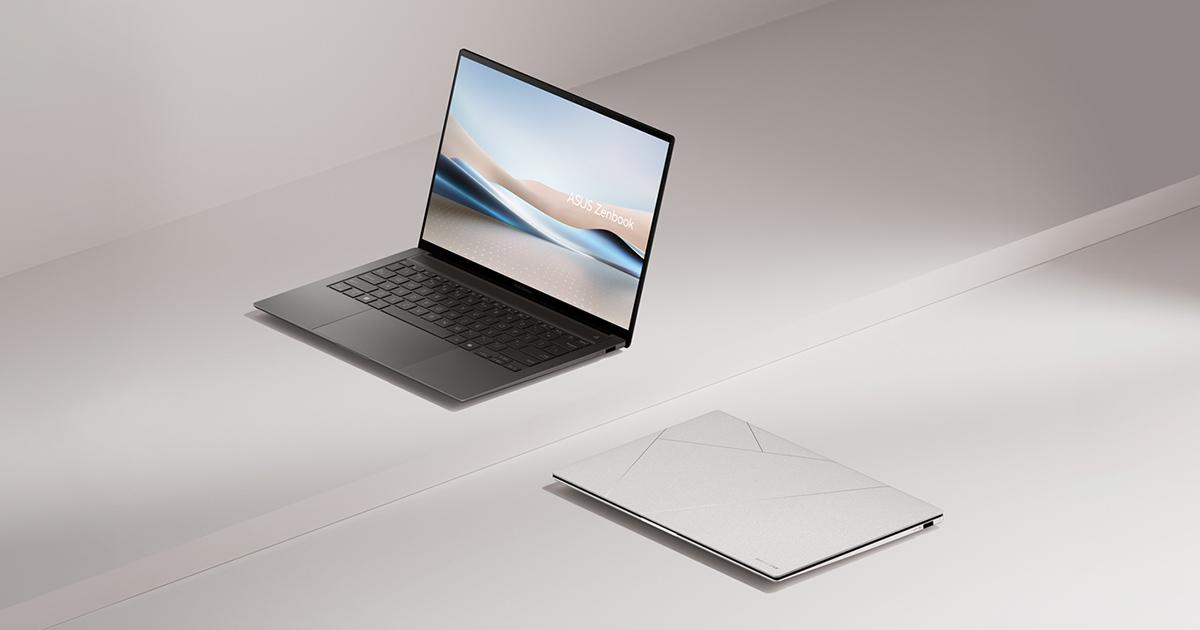
Both laptops deliver premium 14-inch OLED experiences at similar price points, but excel in different areas. ASUS Zenbook S 14 prioritizes display quality with a brilliant 550-nit 3K OLED panel and 120Hz refresh rate, paired with the efficient Core Ultra 7 258V processor that delivers solid performance while keeping the machine incredibly light at 1.20kg. Lenovo Yoga 9i 14 counters with a more powerful 16-core Core Ultra 7 155H processor and the added versatility of a 2-in-1 convertible design, though its 400-nit display and 90Hz refresh rate feel less cutting-edge. Port selection, RAM, storage, and battery life are comparable across both. If display brilliance and portability matter most, the ASUS wins convincingly. For users wanting maximum processing power and flexibility with the 2-in-1 form factor, the Lenovo justifies its $100 premium. Choose ASUS for ultimate thinness and display prowess; select Lenovo for performance and versatility.
Who Should Buy
Buy the ASUS Zenbook S 14 (2024) if…
- →Ultra-light at 1.20 kg with a premium Ceraluminum chassis
- →Vivid 3K OLED display with accurate colors
- →Intel Core Ultra 200V series delivers exceptional efficiency
Buy the Lenovo Yoga 9i 14 (2024) if…
- →Versatile 360-degree 2-in-1 form factor
- →Beautiful 2.8K OLED touch display
- →Stylus included in the box
Category Scores
Pros & Cons
ASUS Zenbook S 14 (2024)
Pros
- Ultra-light at 1.20 kg with a premium Ceraluminum chassis
- Vivid 3K OLED display with accurate colors
- Intel Core Ultra 200V series delivers exceptional efficiency
- Solid all-day battery endurance
- Thoughtful design with excellent hinge mechanism
Cons
- Intel Core Ultra 200V series slower than H-class for heavy workloads
- RAM and SSD are soldered — no upgrade path
- Only one USB-A port
- Glossy OLED touch surface catches fingerprints
- No SD card reader
Lenovo Yoga 9i 14 (2024)
Pros
- Versatile 360-degree 2-in-1 form factor
- Beautiful 2.8K OLED touch display
- Stylus included in the box
- Premium premium aluminum chassis with rotating hinge
- Good 14-hour battery life for a convertible
Cons
- RAM is soldered — no upgrade path
- Only one USB-A port
- Runs warm under sustained CPU load
- OLED glossy panel attracts fingerprints
- Pen storage solution is awkward
Full Specifications
| Spec | ASUS Zenbook S 14 (2024) | Lenovo Yoga 9i 14 (2024) |
|---|---|---|
| Software | Windows 11 Home | Windows 11 Home |
| Body | ||
| Weight | 1.20 kg | 1.39 kg |
| Material | Aluminum with Ceraluminum lid | Aluminum unibody |
| Dimensions | 311.2 x 219.3 x 14.9 mm | 314.9 x 222.8 x 14.9 mm |
| Ports | ||
| HDMI | 1 | 1 |
| USB-A ports | 1 | 1 |
| SD card | ||
| Thunderbolt ports | 2 | 2 |
| Battery | ||
| Battery life | Up to 14 hours mixed use | Up to 14 hours mixed use |
| Capacity | 72 Wh | 75 Wh |
| Display | ||
| Size | 14.0 inches | 14.0 inches |
| Type | 3K OLED anti-glare touch | 2.8K OLED touch 2-in-1 |
| Resolution | 2880 x 1800 | 2880 x 1800 |
| Refresh rate | 120Hz | 90Hz |
| Brightness (nits) | 550 | 400 |
| Storage | ||
| SSD | 1 TB NVMe | 1 TB NVMe |
| Expandable storage | ||
| Keyboard | ||
| Backlit | ||
| Touch Bar | ||
| Processor | ||
| RAM | 16 GB LPDDR5x | 16 GB LPDDR5x |
| Cores | 8-core (4P+4LPE) | 16-core (6P+8E+2LPE) |
| Chipset | Intel Core Ultra 7 258V | Intel Core Ultra 7 155H |
Related Comparisons
- Lenovo Yoga 9i 14 (2024) vs Microsoft Surface Laptop 5
- Lenovo Yoga 9i 14 (2024) vs LG gram 14 (2024)
- Lenovo Yoga 9i 14 (2024) vs Lenovo Yoga Slim 7 Gen 8 14"
- Lenovo Yoga 9i 14 (2024) vs Lenovo ThinkPad X1 Carbon Gen 11
- Lenovo Yoga 9i 14 (2024) vs HP Spectre x360 14 (2023)
- Lenovo Yoga 9i 14 (2024) vs HP Envy x360 14 (2024)
This comparison is based on verified manufacturer specifications covering display, performance, camera, battery, and build quality. Scores are generated by analyzing specs across weighted categories on a 10-point scale. Learn more about our methodology.
Explore more in laptops, see all ASUS products or all Lenovo products. View full details for the ASUS Zenbook S 14 (2024) or the Lenovo Yoga 9i 14 (2024).