ASUS ZenBook 14 OLED (UX3405, 2024) vs Razer Blade 16 (2024)

The Verdict
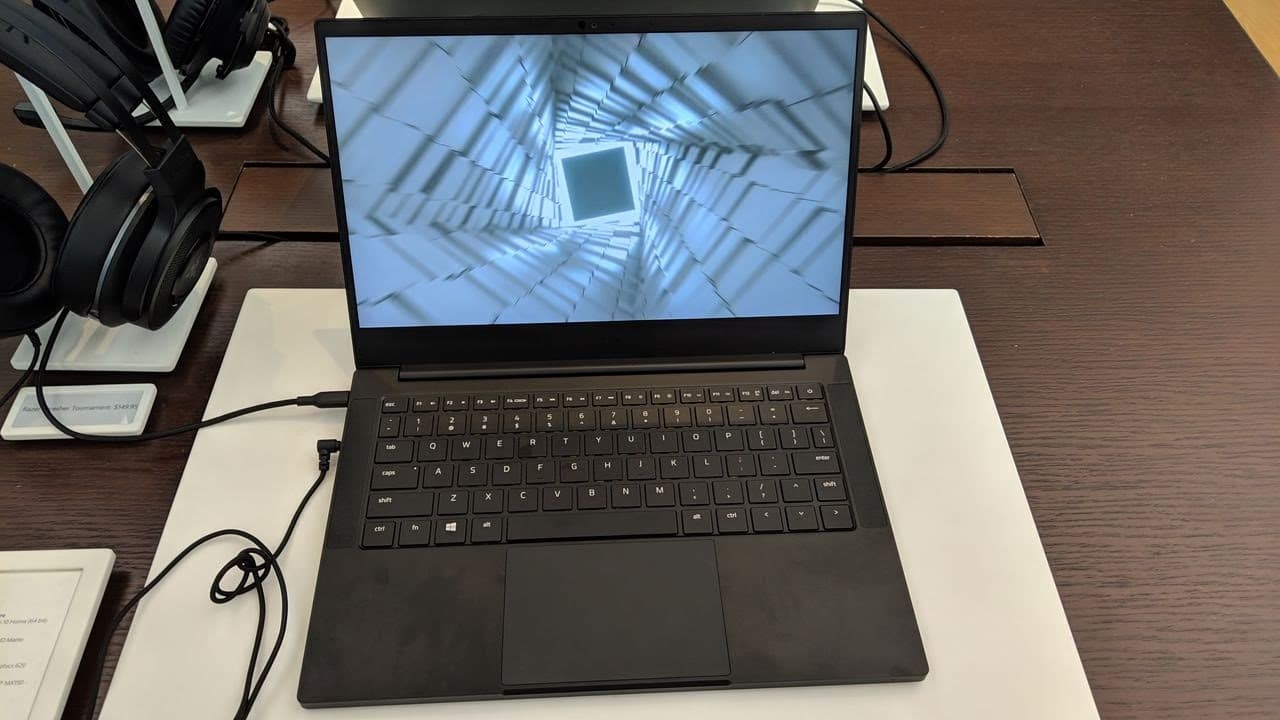
These laptops serve fundamentally different purposes and buyers. The ASUS ZenBook 14 OLED is a ultraportable productivity machine weighing just 1.2 kg with exceptional battery life reaching 18 hours, making it ideal for frequent travelers and remote workers. Its 14-inch OLED display offers 2880 x 1800 resolution with 120Hz refresh and 600 nits brightness, delivering superior color accuracy and readability. The Intel Core Ultra 7 155H with 16GB LPDDR5X handles everyday tasks and light creative work smoothly. Conversely, the Razer Blade 16 is a desktop replacement powerhouse at 2.45 kg, featuring a larger 16-inch OLED display with 240Hz refresh rate optimized for gaming and professional rendering. Its Intel Core i9-14900HX with 24 cores and 32GB DDR5 RAM demolishes performance metrics, though the 6-hour battery life demands constant charging. The Razer includes more ports (3 USB-A, 2 USB-C, SD card) and storage expandability, catering to professionals managing multiple peripherals. For mobile productivity and all-day unplugged use, the ZenBook 14 wins decisively. For stationary gaming, video editing, or workstation-class performance, the Razer dominates despite its $1700 premium and heavier footprint. Your choice depends entirely on mobility needs versus raw computational power requirements.
Who Should Buy
Buy the ASUS ZenBook 14 OLED (UX3405, 2024) if…
- →Stunning 3K 120Hz OLED display
- →Exceptionally lightweight at 1.2 kg
- →Strong battery life for an OLED laptop
Buy the Razer Blade 16 (2024) if…
- →Top-tier RTX 40-series GPU options up to RTX 4090
- →Gorgeous QHD+ 240Hz OLED display
- →Premium CNC aluminum chassis with slim profile
Category Scores
Pros & Cons
ASUS ZenBook 14 OLED (UX3405, 2024)
Pros
- Stunning 3K 120Hz OLED display
- Exceptionally lightweight at 1.2 kg
- Strong battery life for an OLED laptop
- Premium aluminum chassis with MIL-STD durability
- Fast Intel Core Ultra performance with NPU for AI
Cons
- RAM is soldered and not upgradeable
- Only one USB-A port
- No SD card reader
- Webcam quality is mediocre
Razer Blade 16 (2024)
Pros
- Top-tier RTX 40-series GPU options up to RTX 4090
- Gorgeous QHD+ 240Hz OLED display
- Premium CNC aluminum chassis with slim profile
- Comprehensive port selection including SD card and HDMI 2.1
Cons
- Very expensive even at base configuration
- Battery life is short under any real workload
- Runs hot and loud during gaming sessions
- Heavy for a 16-inch laptop intended to be portable
Full Specifications
| Spec | ASUS ZenBook 14 OLED (UX3405, 2024) | Razer Blade 16 (2024) |
|---|---|---|
| Software | Windows 11 Home | Windows 11 Home |
| Body | ||
| Weight | 1.2 kg | 2.45 kg |
| Material | Aluminum | CNC aluminum unibody |
| Dimensions | 312.4 x 220.1 x 14.9 mm | 355 x 235 x 21.99 mm |
| Ports | ||
| HDMI | 1 | 1 |
| USB-A ports | 1 | 3 |
| USB-C ports | 0 | 2 |
| SD card | ||
| Thunderbolt ports | 2 | 2 |
| Battery | ||
| Battery life | Up to 18 hours | Up to 6 hours |
| Capacity | 75 Wh | 95.2 Wh |
| Display | ||
| Size | 14 inches | 16 inches |
| Type | OLED, 16:10, touch optional | OLED |
| Resolution | 2880 x 1800 | 2560 x 1600 |
| Refresh rate | 120Hz | 240Hz |
| Brightness (nits) | 600 | 400 |
| Storage | ||
| SSD | 1 TB PCIe 4.0 NVMe | 1 TB |
| Expandable storage | ||
| Keyboard | ||
| Backlit | ||
| Processor | ||
| RAM | 16 GB LPDDR5X | 32 GB DDR5 |
| Cores | 16 cores (6P+8E+2LPE) | 24 cores |
| Chipset | Intel Core Ultra 7 155H | Intel Core i9-14900HX |
Want to compare a third product?
Add another product for a 3-way comparison.
Related Comparisons
This comparison is based on verified manufacturer specifications covering display, performance, camera, battery, and build quality. Scores are generated by analyzing specs across weighted categories on a 10-point scale. Learn more about our methodology.
Explore more in laptops, see all ASUS products or all Razer products. View full details for the ASUS ZenBook 14 OLED (UX3405, 2024) or the Razer Blade 16 (2024).